MWE Correspondent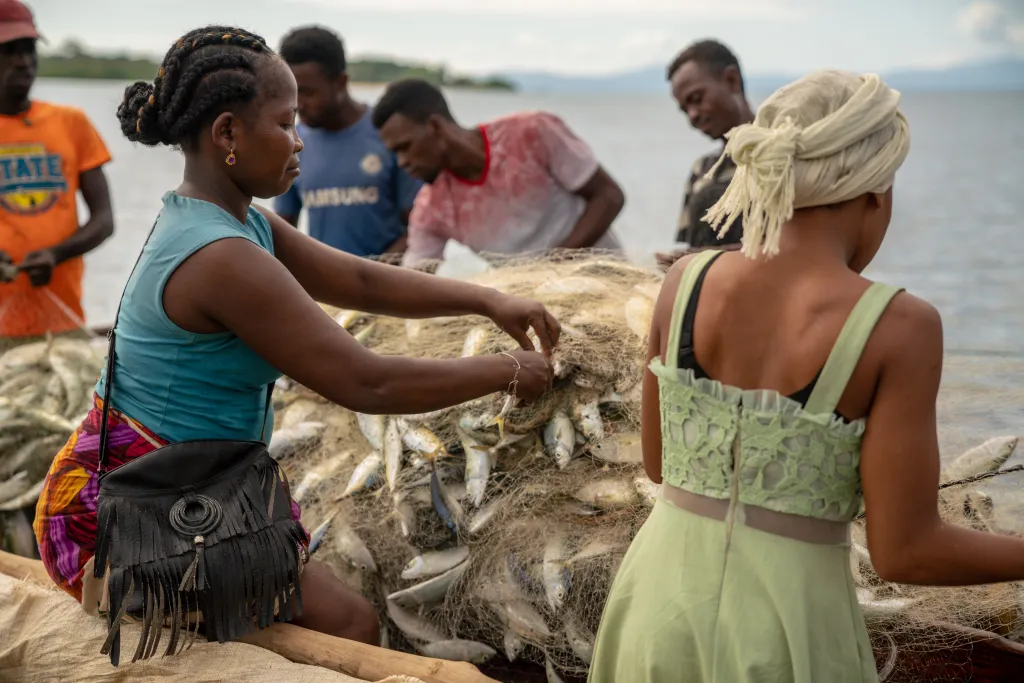
The government has moved to rein in practices that it says have been hurting small-scale fishermen, announcing a firm ban on fish processing factories operating their own boats on lakes or buying fish directly from fishermen while still at sea.
The decision, announced by the Minister for Livestock and Fisheries, Dr Bashiru Ally, is aimed at restoring fairness in the fisheries market and protecting fishermen who have increasingly found themselves squeezed out by powerful industrial players. According to the minister, the long-standing practice has disrupted normal market operations, weakened competition, and left many fishermen struggling to earn a sustainable income.
Speaking during a visit to a fish processing facility in Muleba District, Kagera Region, Dr Ally said fishermen have been pushed into desperate situations as a result of unfair pricing and market control. With factories sourcing fish directly from the lake, he explained, fishermen are often forced to sell at very low prices, leaving them unable to cover operating costs, repay loans, or support their families.
He noted that the pressure has driven some fishermen into illegal fishing practices, not out of choice, but out of necessity. “These are people who run businesses just like industrial operators,” the minister said. “They have loans to service, workers to pay, and households to sustain. When the market is distorted, they are left with very few options.”
Under the new directive, fish processing factories will now be required to buy fish through officially recognised landing sites and licensed traders. Authorities believe this separation between fishing and processing activities will help stabilise prices, strengthen local fish markets, and give fishermen a fair chance to benefit from their work.
Also Read; Tanzania Reassures Public Over TAZARA Upgrade Benefits
The fisheries sector is a critical part of the economy, particularly in lake-zone regions, providing food, employment, and export revenue. Globally, effective fisheries management is increasingly seen as essential not only for economic growth but also for social equity and environmental protection.
Dr Ally also revealed that his ministry has strengthened information-sharing systems that allow citizens to report unethical or illegal activities in the sector. He said the government is taking these reports seriously, viewing public cooperation as key to eliminating harmful practices and promoting sustainable fishing.
Experts warn that unchecked industrial dominance often fuels illegal, unreported and unregulated fishing, which threatens fish stocks and undermines long-term livelihoods. International bodies such as the Food and Agriculture Organization continue to urge governments to protect small-scale fishermen while ensuring responsible industrial participation.
The minister cautioned that factories found violating the ban will face tough penalties, including the possible suspension of operating licences. He stressed that the government’s goal is not to undermine investment, but to create a balanced, transparent, and sustainable fisheries industry that benefits everyone involved.
The move has been welcomed by many fishing communities, who see it as a long-overdue step toward fairness, dignity, and stability in one of the country’s most important livelihood sectors.