
 Lyn Frans
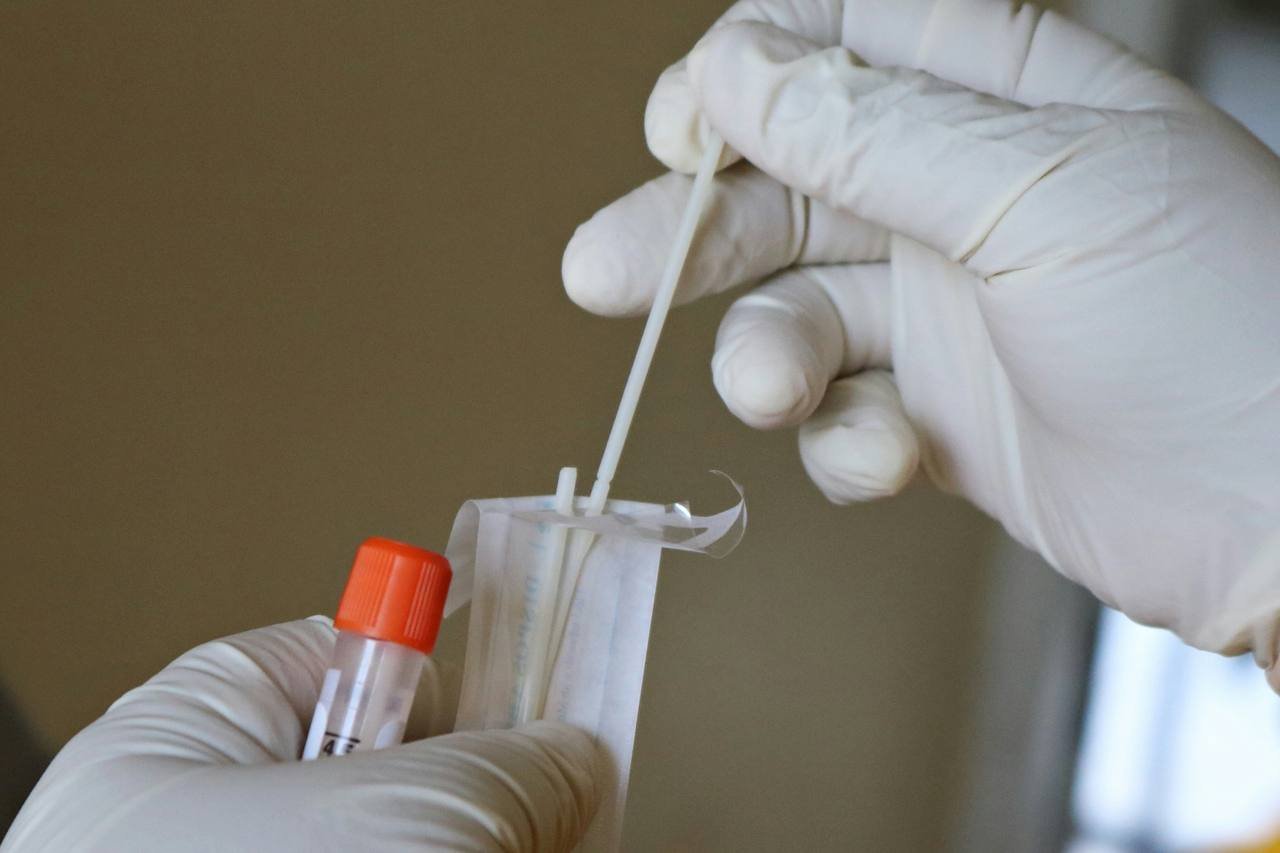
Ghana has introduced mandatory health screening, contact tracing and 21-day monitoring for travellers arriving from Ebola-affected countries as part of measures to prevent the deadly disease from entering the country.
Ghana’s Health Minister has confirmed that there are currently no reported Ebola cases in the country, stressing that the government is strengthening surveillance and preparedness to protect public health amid concerns over the spread of infectious diseases across international borders.
Under the measures, travellers arriving from countries affected by Ebola may be subjected to health assessments and monitoring to identify potential symptoms and establish whether they have been exposed to the virus. Health authorities are also expected to trace and monitor individuals who may have had contact with suspected or confirmed cases, allowing possible infections to be detected early.
The minister warned that anyone who deliberately evades mandatory screening or other legally required public health procedures could face criminal prosecution. The warning underscores the government’s intention to enforce compliance and prevent individuals from undermining efforts to contain a potential outbreak.
Ebola is a severe viral disease that can cause fever, weakness, vomiting, diarrhoea and, in some cases, internal or external bleeding. The virus can be fatal, particularly when patients do not receive timely supportive medical care.
Also Read: Africa Urged to Fund Its Renewable Energy Future
Transmission occurs through direct contact with the blood or other bodily fluids of an infected person who is showing symptoms, or through contaminated materials. The virus is not generally spread through casual contact or simply by sharing the same air as an infected person.
The 21-day monitoring period is consistent with the recognised incubation period of Ebola, which ranges from two to 21 days. People who have been exposed to the virus may therefore require observation throughout this period, even if they initially appear healthy.
Contact tracing is another essential component of outbreak prevention. By identifying people who have been in contact with a suspected or confirmed case, health officials can monitor their condition, provide guidance and arrange prompt medical assessment if symptoms develop.
Ghana’s preparedness measures come amid continuing regional concerns about the potential cross-border spread of infectious diseases in Africa. International travel, population movement and trade can complicate outbreak control, making coordination between neighbouring countries and public health agencies essential.
Effective border screening, however, must be supported by adequate laboratory capacity, trained health personnel, isolation facilities and clear procedures for referring suspected cases for medical evaluation. Authorities also need to communicate openly with travellers and communities to encourage cooperation and prevent misinformation.
Health experts generally emphasise that screening alone cannot detect every infection because people may be within the incubation period and have no symptoms when they arrive. Combining screening with contact tracing, follow-up monitoring, rapid testing when indicated and infection-prevention measures provides a stronger defence against an outbreak.
Ghana’s declaration that it has no reported cases is an important distinction from countries experiencing active transmission. The new measures are preventive and do not, by themselves, indicate that an Ebola outbreak has occurred in Ghana.
The government’s approach highlights the importance of early preparedness in protecting public health, maintaining confidence in the healthcare system and reducing the risk that an imported infection could develop into a wider public health emergency.