
 Agencies
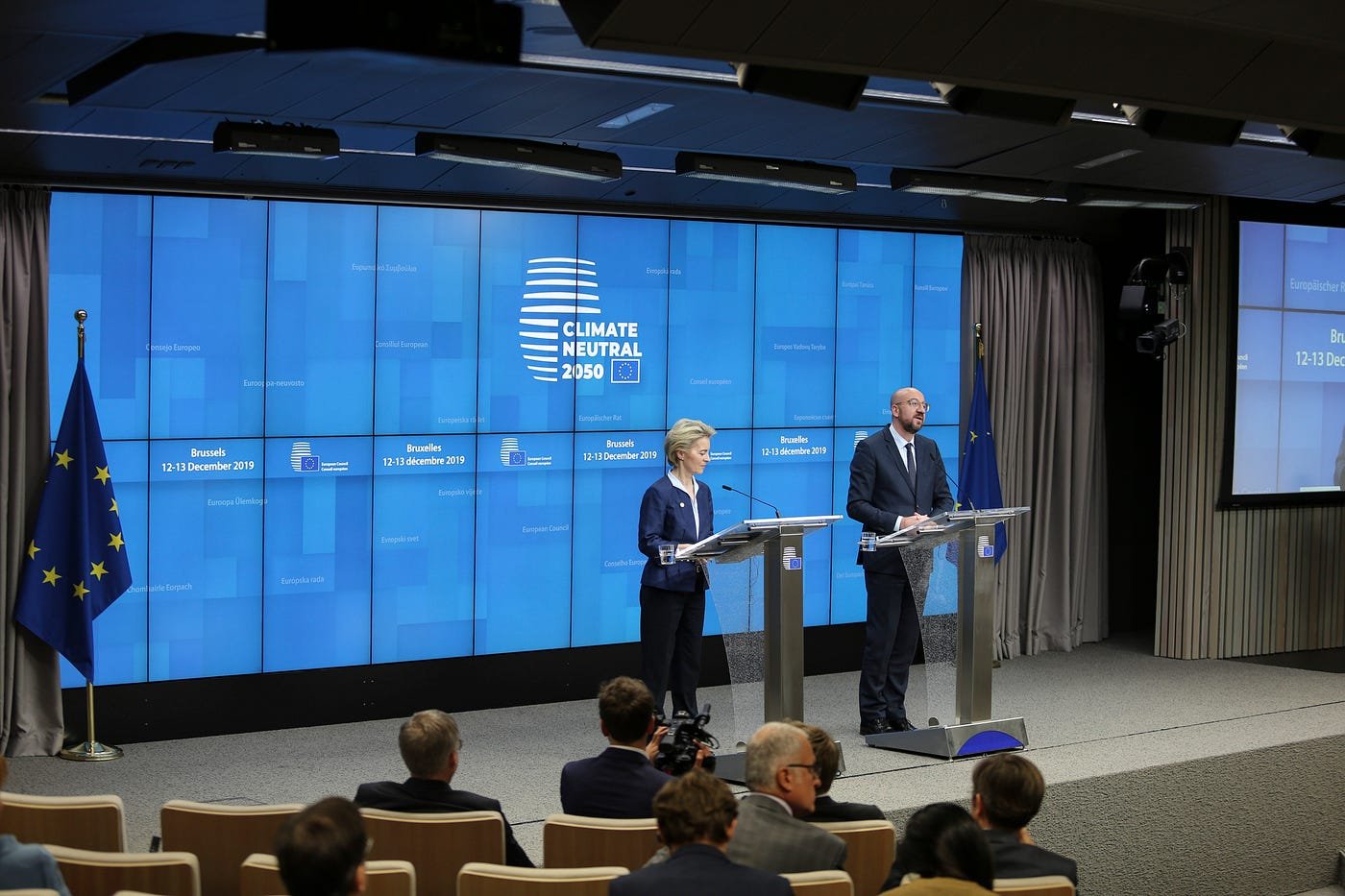
European governments’ calls for stronger democracy, political freedoms and accountability in Africa are raising questions about whether the same standards are consistently applied when European countries face protests, opposition challenges and domestic political disagreements.
The debate is not about whether African governments should be exempt from democratic scrutiny. Rather, it concerns whether principles such as freedom of assembly, political participation, respect for opposition parties and national sovereignty should be upheld equally, regardless of a country’s geographical location or political influence.
The issue has become particularly relevant as relations between Europe and African countries increasingly involve discussions about elections, human rights, governance and the independence of national institutions.
In Tanzania, the European Union expressed serious concerns following the October 29, 2025 general elections, citing reported irregularities, violence, fatalities, injuries and restrictions on democratic participation. In a statement issued on November 2, 2025, the EU called for investigations into reported abuses, the release of detained politicians and inclusive dialogue involving opposition parties and civil society.
Such concerns are legitimate subjects of international human rights engagement. However, the credibility of Europe’s democratic message also depends on how consistently its governments protect similar rights within their own borders.
Evidence from European institutions and independent human rights organisations shows that the protection of political freedoms remains a challenge even in established European democracies.
Amnesty International’s July 2024 report, covering 21 European countries, documented restrictions on peaceful demonstrations, arbitrary arrests, excessive use of force, intrusive surveillance and prosecutions of protesters. The findings included cases in France, Germany, Italy, Spain, Greece and other European states.
The European Union Agency for Fundamental Rights also documented concerns about protest restrictions and police conduct. In France, the Defender of Rights raised concerns about illegal arrests and disproportionate force during demonstrations against pension reforms. In Germany, civil society organisations criticised police practices involving the containment of protesters.
Read More: Tanzania Must Resolve Political Differences Through Dialogue
These examples do not mean that European countries and African countries face identical political circumstances. European democracies also have independent courts, human rights institutions and established accountability mechanisms that provide avenues for challenging government decisions. However, the documented violations demonstrate that democratic standards are not automatically guaranteed by a country’s economic development or political system.
The comparison becomes particularly important when considering the treatment of opposition movements. In Europe, governments regularly face demonstrations over taxation, public spending, immigration, labour rights, environmental policies and foreign policy decisions. Opposition parties also challenge governments, organise political campaigns and mobilise public support.
These activities are recognised as important elements of democratic participation, although individual countries impose different legal restrictions on demonstrations and political activities.
African countries should be assessed using the same fundamental principles, rather than being subjected to standards that appear disconnected from the realities and challenges experienced elsewhere.
The African Union’s African Charter on Democracy, Elections and Governance provides a continental foundation for this discussion. Adopted in 2007 and entering into force in 2012, the Charter promotes constitutional democracy, political participation, credible elections, respect for human rights and the peaceful resolution of political disputes.
Importantly, African governments have their own responsibilities under these commitments. National sovereignty cannot be used to justify restrictions on legitimate opposition activity, violations of human rights or the denial of citizens’ constitutional freedoms.
At the same time, international partners must recognise that political differences should not automatically be interpreted as evidence that a country requires external political direction. Diplomatic engagement should respect national institutions, legal processes and the right of citizens to determine their political future.
For Tanzania, this balance is particularly significant. Its political development requires credible elections, meaningful opposition participation, accountability and institutions capable of resolving disputes peacefully. International partners can support these objectives through constructive diplomacy, technical cooperation and respect for established international agreements.
The European Union’s November 2025 statement on Tanzania illustrates how external partners exercise their diplomatic influence. Such statements can contribute to international accountability discussions, but their credibility is strengthened when European governments demonstrate the same commitment to political freedoms and accountability at home.
Ultimately, democracy should not become a political standard applied more strictly to countries with less economic or diplomatic influence. Freedom of assembly, opposition participation, independent institutions and accountability are universal principles.
Africa does not need lower democratic standards, nor does it need to reject international scrutiny. It needs equal treatment, consistent application of international law and the institutional freedom to address its political challenges through legitimate national processes.


