MWE Correspondent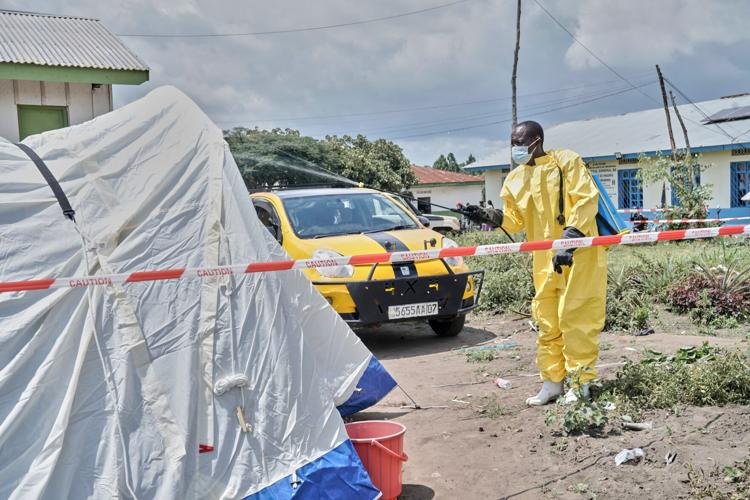
Medical supplies arrived Tuesday in the eastern Congolese city of Bunia as authorities and humanitarian agencies intensified emergency efforts to contain a renewed outbreak of Ebola in the conflict-hit region.
The shipment, delivered on May 19, comes amid growing concern over the spread of the deadly virus in Ituri Province, where fragile healthcare systems and ongoing insecurity continue to complicate response operations.
Workers from UNICEF led the operation at Bunia Airport, unloading boxes of emergency medical equipment, protective gear, disinfectants, and treatment materials intended to strengthen frontline response teams battling the outbreak.
Health officials say the supplies are urgently needed to protect healthcare workers, improve patient care, and help prevent further transmission in vulnerable communities already struggling with poverty, displacement, and limited access to medical services.
Residents in affected areas have described growing anxiety as health workers move from village to village tracing contacts and conducting screenings. Some families fear the return of traumatic scenes witnessed during previous Ebola outbreaks that devastated communities across eastern Congo over the past decade.
“This is not just a health crisis. People here are already living through insecurity and displacement, and now they must also fear another deadly disease,” one humanitarian worker in Bunia said during the delivery operation.
Also Read; Putin and Xi Deepen Global Strategic Alliance
The Democratic Republic of the Congo has faced multiple Ebola outbreaks in recent years, with eastern regions remaining especially vulnerable due to armed conflict, weak infrastructure, and mistrust toward health authorities. Aid organizations warn that rapid intervention is critical to preventing the virus from spreading into densely populated areas or neighboring regions.
Authorities say surveillance teams have been deployed to monitor suspected cases, while public awareness campaigns are being expanded to educate communities about symptoms, hygiene measures, and the importance of early treatment.
International health agencies are also increasing coordination with local officials to strengthen isolation centers and improve emergency response capacity in affected districts.
Despite the challenges, humanitarian workers on the ground say the arrival of the medical supplies offers hope that faster intervention could help contain the outbreak before it escalates into a larger regional crisis..