Lyn Frans
As cervical cancer rates continue to climb in Africa, Dr. Anna Graham, a women’s health specialist at CCBRT Hospital, is emphasizing the urgent need for increased public education on HPV vaccination and improved access to screening.
In an exclusive interview with Media Wire Express for their health magazine program “Wellness Tips,” hosted by Mariilyn Badoo, Dr. Graham urged Tanzanian communities to take proactive measures to safeguard women’s health.
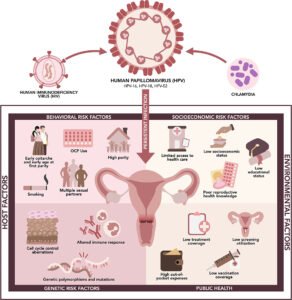
Dr. Graham highlighted the urgent need to inform families about the importance of early HPV vaccination for girls (aged 9–14) and regular cervical cancer screening for women. She noted that many parents remain hesitant to allow their daughters to be vaccinated — often due to cultural beliefs or misinformation. According to Dr. Graham, building “community trust through dialogue involving local leaders and health‑care providers” is critical to overcoming such barriers.
“Education is essential,” she said, stressing that informed communities can lead to healthier futures for young girls and reduce the toll of preventable cancers on families. In the interview, she urged women to have cervical screening at least every three years — and more frequently if living with HIV/AIDS, given their elevated risk.
Her call comes at a moment when the burden of cervical cancer remains alarmingly high. According to a 2023 fact sheet, about 10,241 women are diagnosed annually with cervical cancer in Tanzania and roughly 6,525 die from the disease each year. The age‑standardized incidence rate stands at roughly 62.5 per 100,000 women (2020 estimate).
Also Read; Women’s Forum Maps Path to National Unity
At the same time, Tanzania is making notable progress in its national HPV‑immunization programme. In April 2024, the government — together with international partners — launched a nationwide “multi-age cohort (MAC)” campaign targeting more than 5 million girls aged 9–14. According to official data, coverage for the first dose reached 79%, while the second dose stood at 60%.
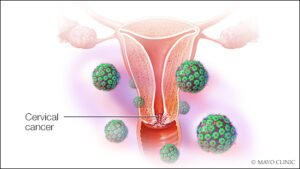
This progress represents an important step forward, because the HPV vaccination is widely recognised as a safe and effective prevention against HPV, which causes the vast majority of cervical‑cancer cases. The shift by the health authorities to include younger girls (9‑year-olds) in routine immunisation is seen as a key strategy to extend protection early.
However, the fact that a significant portion of eligible girls have not yet completed the full vaccine course — and that many parents remain hesitant — underscores the importance of voices like Dr. Graham’s. Through community‑based education, engagement of trusted local leaders, and broader access to both screening and vaccination services, she believes Tanzania can make significant strides in protecting women’s health — and safeguarding the next generation from a disease that is largely preventable.