MWE Correspondent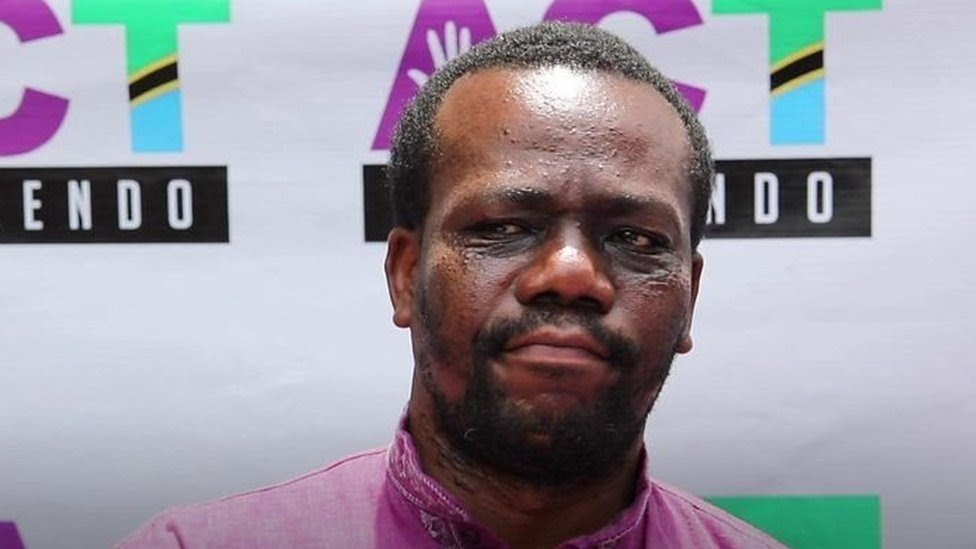
The High Court of Tanzania has dismissed a Sh15 billion defamation lawsuit brought by a private businessman against veteran politician and former opposition leader Zitto Kabwe, ruling that the claim failed to meet the legal threshold required to restrict public debate on matters of national interest.
In a judgment delivered on December 11, 2025, the court found that statements shared by Mr Kabwe on his social media platform were not defamatory, as they related to issues already under public scrutiny, particularly the management and use of public funds. The judge ruled that the comments were made without malice and fell within the boundaries of lawful expression protected by the Constitution.
While delivering the decision, the court stressed that defamation claims must be supported by clear evidence showing falsehood, intent to harm, and actual damage. In this case, the judge noted that the petitioner was unable to prove these elements, observing that the statements in question emerged during an active public discussion triggered by official audit reports.
The court dismissed all the issues raised in the petition, ruled that no damages were payable, and ordered the case struck out with costs. It agreed with the defence that Mr Kabwe’s remarks amounted to fair comment made in good faith, emphasizing that courts must be careful not to suppress legitimate criticism, especially when it concerns accountability in the use of public resources.
The dispute arose after Mr Kabwe commented on audit findings linked to a controversial power generation arrangement and the operations of a state-owned electricity utility. The court observed that the audit reports had already generated widespread debate and that the comments reflected concerns shared by a broad section of the public.
Also Read; Benin Military Thwarts December Coup Attempt
In its reasoning, the court highlighted the central role of the High Court of Tanzania in upholding democratic principles, including the protection of open discussion on governance and public finance. The judge warned that allowing defamation claims to succeed in such circumstances could discourage citizens and leaders from speaking out on issues that affect taxpayers.
Legal observers say the ruling reinforces constitutional guarantees of freedom of expression, particularly where speech relates to oversight of public spending. They note that courts increasingly recognize that public figures and individuals involved in public affairs must tolerate a higher degree of scrutiny and criticism.
Mr Kabwe, who has long been associated with advocacy for transparency and accountability, has consistently argued that debate informed by audit reports and public records is essential for good governance. The court appeared to share this view, noting that opinions grounded in official documents cannot easily be labeled as defamatory.
Analysts believe the decision will influence future cases involving political commentary and allegations arising from public audits. By reaffirming the doctrine of fair comment, the court has provided clearer guidance on how defamation law should be applied in contexts where public interest outweighs private reputational concerns.
With the case now concluded, the judgment is being viewed as a significant affirmation of the judiciary’s commitment to protecting lawful expression while maintaining the balance between individual rights and the broader public good.