Joseph Isangura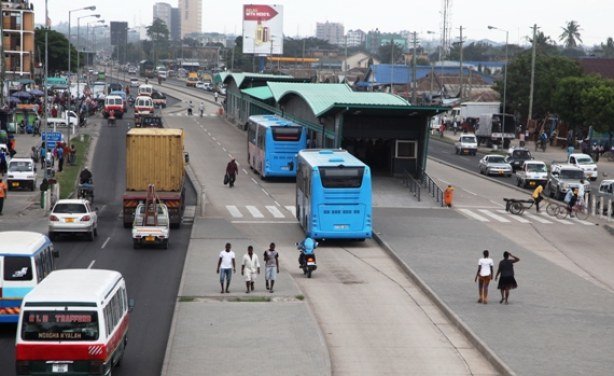
Dar es Salaam is preparing for a major shift in urban transport as the city’s authorities move to phase out conventional commuter buses along the Mbagala Bus Rapid Transit (BRT) corridor.
The government has confirmed that licenses for these buses, commonly known as “daladala,” will not be renewed once they expire, paving the way for the BRT system to take full control of the route.
The move is part of a carefully planned transition designed to improve commuter experience and increase the corridor’s passenger capacity. Current buses will continue operating until their existing licenses run out, after which only BRT services will be permitted. Officials emphasize that this phased approach is intended to minimize disruption while gradually modernizing the city’s public transport network.
According to the city’s transit authority, the decision followed extensive consultations with the Land Transport Regulatory Authority (LATRA) and local bus operators. “Daladala licenses were issued at different times and will therefore expire at varying intervals. Once a license lapses, it will not be renewed for the BRT corridor,” said the transit agency’s chief executive. He added that the gradual phase-out allows the BRT system to increase capacity steadily as commuter buses exit the route.
Transport experts note that the shift mirrors global trends in public transportation, where high-capacity rapid transit systems reduce congestion, lower emissions, and offer safer, faster travel options. High-capacity BRT networks are seen as a sustainable alternative to fleets of smaller minibuses, providing reliability and efficiency for daily commuters.
Public response has been mixed. Some residents welcome the promise of faster, more reliable service, while others are concerned about accessibility, especially for low-income passengers who rely on traditional buses. Authorities have pledged ongoing community engagement and support measures to ease the transition, including exploring alternative routes and potential assistance programs for affected operators.
Economists also highlight the implications for daladala owners, whose businesses are tied to the corridor. While the change presents challenges, it may ultimately create opportunities for operators to participate in the formal transit system or diversify into other transport services.
As Dar es Salaam moves toward a fully operational BRT corridor, officials stress that the goal is a modern, efficient, and environmentally friendly public transport network that meets the needs of a growing urban population. The phased rollout is expected to continue over several months, marking a significant milestone in the city’s transport modernization journey.