Joseph Isangura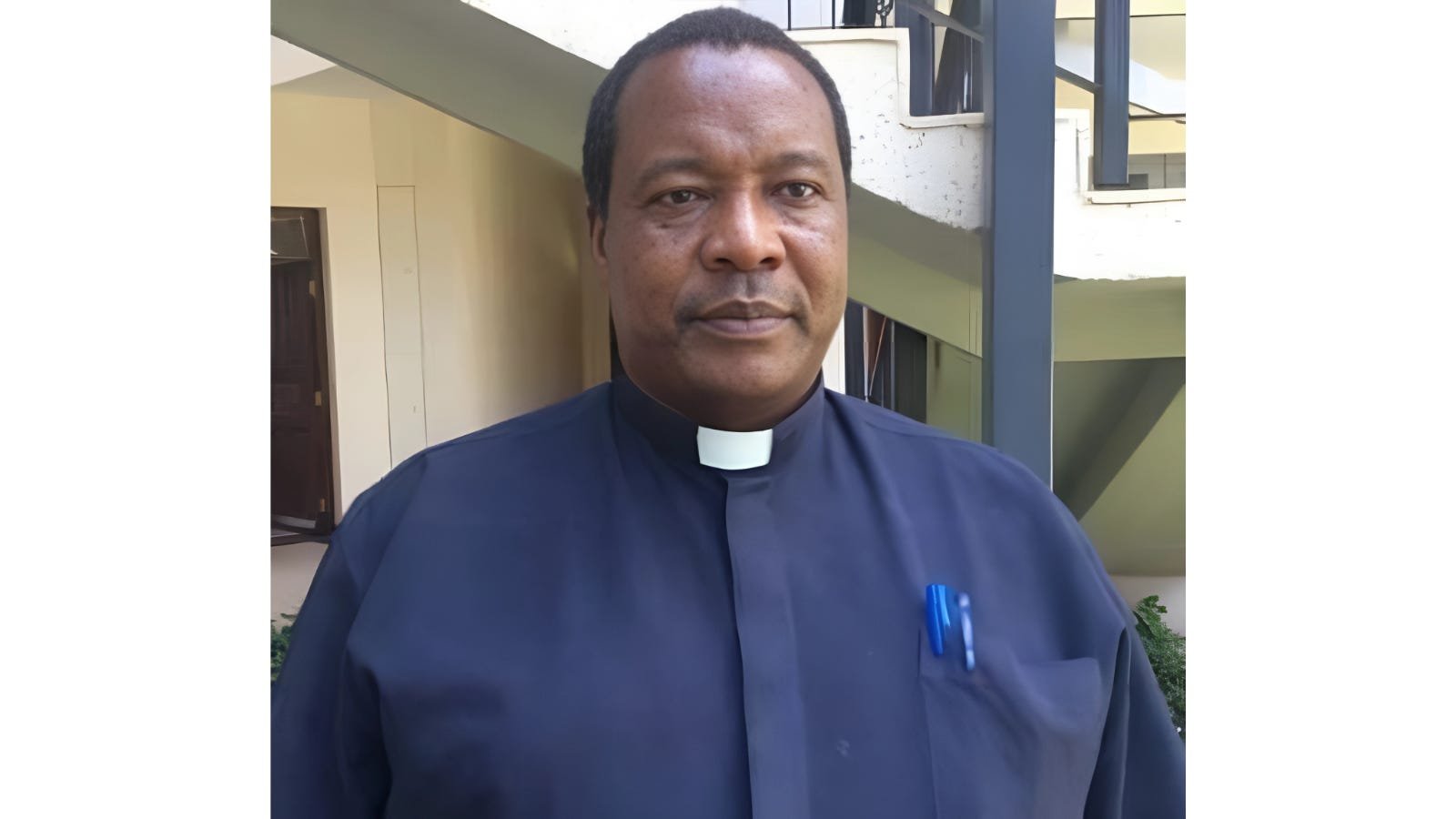
Two Catholic faithful in Tanzania, Stanslaus Nyakunga and Elia Phaustine, have formally submitted a letter to the Apostolic Nuncio to Tanzania,
Archbishop Angelo Accattino, calling for a pastoral and administrative review into the conduct of Fr. Dr. Charles Kitima, the Secretary General of the Tanzania Episcopal Conference.
In a statement issued to the media, the two said their decision followed long-standing public concerns and discussions alleging that Fr. Kitima has been increasingly associated with partisan political matters, particularly those linked to the opposition party CHADEMA. They argue that such perceptions, whether accurate or not, have gradually drawn the Catholic Church into political debate and public controversy.
Nyakunga and Phaustine emphasised that their letter should not be interpreted as a personal attack or a declaration of wrongdoing. Instead, they described it as a pastoral appeal intended to protect the Church’s unity, credibility and moral authority. According to them, the growing perception of political alignment has caused discomfort among some believers and risks portraying the Church as favouring a particular political position.
Also Read: Dangote Deepens Dispute With Nigeria Fuel Regulators
They cautioned that such an image could weaken the Church’s traditional role as a neutral moral institution dedicated to peace, reconciliation and spiritual guidance for all citizens. At a time when the nation requires calm voices and inclusive dialogue, they said the Church is expected to rise above political tensions and remain a symbol of unity and hope.
The two faithful further grounded their appeal in Christian teaching, noting that Scripture consistently calls Church leaders to be instruments of peace, harmony and reconciliation. They argue that these values place a special responsibility on senior clergy, especially during politically sensitive moments.
In their communication to Vatican authorities, they outlined three main requests. The first is a comprehensive pastoral and administrative review of the concerns raised. The second is the issuance of clear guidance to ensure that Church leadership remains institutionally independent from party politics. The third is the consideration of appropriate measures to safeguard unity among believers, social harmony and the Church’s moral standing.
They expressed confidence that the Holy See, through its diplomatic mission and established pastoral structures, has both the wisdom and responsibility to address issues that could otherwise deepen divisions within the faithful and the wider society.
The statement concludes by reaffirming their loyalty to the Catholic Church and respect for apostolic authority, stressing that their appeal is motivated by faith, obedience and a desire to see the Church continue serving as a moral compass and a refuge of peace for all Tanzanians.