MWE Correspondent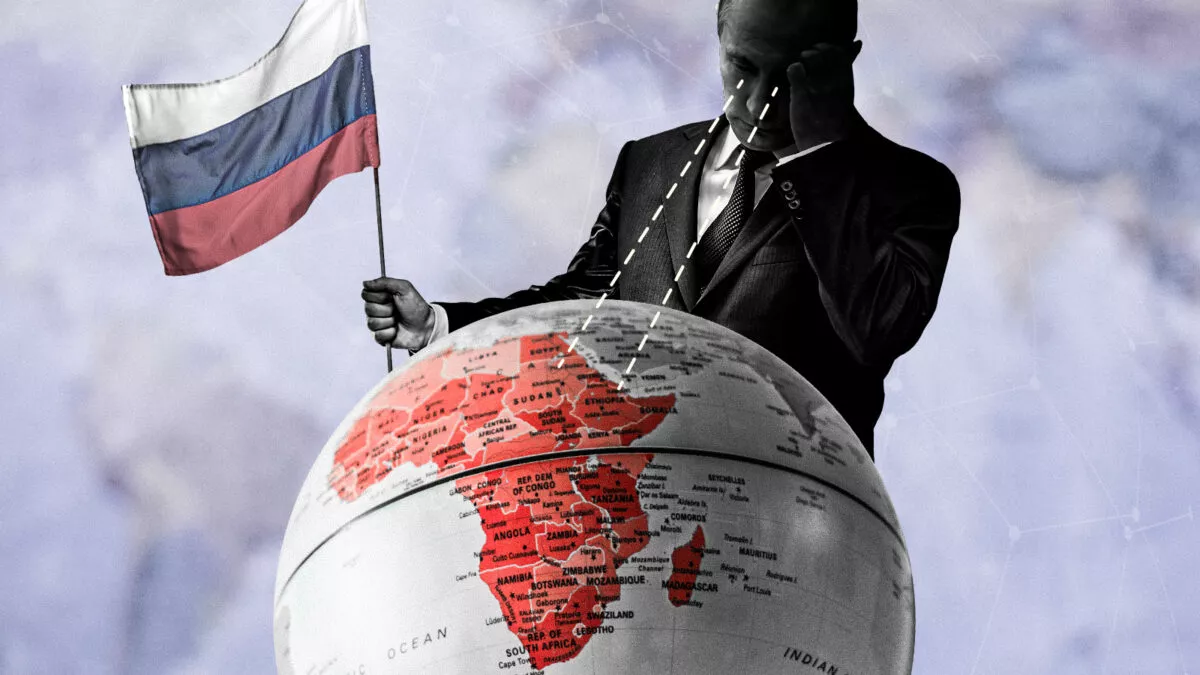
As Tanzania looks to deepen economic ties with Russia, the debate over whether Africa can reduce its dependence on the US dollar is gaining new attention. Moscow has promoted local-currency trade and alternative payment systems as part of a broader effort to reduce reliance on Western financial infrastructure, but for Tanzania and other African economies, the shift carries both opportunities and serious risks.
The attraction is clear. African businesses that trade with Russia could potentially settle transactions in the Tanzanian shilling, Russian ruble or other national currencies, reducing the need to route every transaction through the dollar and international financial institutions dominated by Western economies.
But escaping the dollar does not automatically mean achieving financial sovereignty.
Russia has developed alternative financial infrastructure, including the System for Transfer of Financial Messages (SPFS), after Western sanctions restricted access to parts of its banking system. However, alternative systems remain much smaller than established global networks and can face limitations involving liquidity, international acceptance and transaction costs.
For Tanzania, the question is therefore not simply whether Russian banks can accept Tanzanian transactions. It is whether Tanzanian companies can reliably convert currencies, manage exchange-rate risks and continue receiving payments if geopolitical tensions produce new sanctions or restrictions.
This risk is particularly important because Russia’s alternative payment networks have increasingly become part of the geopolitical confrontation between Moscow and Western countries. In October 2026, the United States sanctioned Russia’s A7 payment platform, accusing it of facilitating transactions linked to sanctions evasion, while the company rejected the allegations.
For African businesses, such developments demonstrate the potential danger of becoming dependent on a payment channel associated with a geopolitical conflict.
Tanzania could receive rubles from exports of coffee, cashews, cloves, agricultural products or other goods, but exporters would still need to pay employees, suppliers and taxes in Tanzania. If the ruble becomes difficult or expensive to convert into shillings or other currencies, the supposed advantage of local-currency trade could quickly become another financial burden.
There is also a larger problem: Africa may simply replace one external dependency with another.
Read More: Tanzania Eyes Russia Market Beyond The West
Instead of relying heavily on the dollar and Western financial infrastructure, African countries could become dependent on Russian, Chinese or other foreign payment systems. That would not constitute genuine financial independence.
Africa already has an alternative that could be more strategically important: its own regional payment infrastructure.
The Pan-African Payment and Settlement System (PAPSS) was created to make cross-border African payments easier using local currencies, potentially reducing the need for African businesses to use external currencies for intra-African trade. Tanzania also participates in regional payment arrangements through the East Africa Payment System and SADC payment infrastructure.
These systems point toward a different model of financial sovereignty—one built around stronger African financial institutions rather than simply replacing Western systems with Russian ones.
For Tanzania, any proposed bilateral settlement mechanism with Russia should therefore be subjected to detailed scrutiny. Policymakers should examine how exchange rates would be determined, who carries currency risk, which banks would process transactions, how payments would be protected from sanctions and whether Tanzanian exporters could easily convert foreign-currency earnings into shillings.
The wider trade relationship also deserves attention. Tanzania’s trade with Russia has grown, but imports from Russia have historically been substantially higher than Tanzania’s exports, raising questions about whether deeper financial links would actually strengthen Tanzania’s export position or simply make it easier to finance more imports.
The objective should not be to abandon the dollar, nor should it be to embrace the ruble.
Africa’s stronger position would come from having choices.
A diversified system in which African countries can trade with Russia, Europe, the United States, China, India and the Gulf while increasingly settling African trade through African payment systems would give the continent greater bargaining power.
For Tanzania, the real test is therefore whether Russia can become one useful market and financial partner without creating a new dependency.
Financial sovereignty should mean that African countries control more of their own payment infrastructure, reduce unnecessary external exposure and ensure that no single foreign power can determine whether African businesses can trade.
The goal should not be to replace one financial dependency with another—but to build enough African financial capacity that Tanzania and the wider continent can choose where, how and with whom they trade.