MWE Correspondent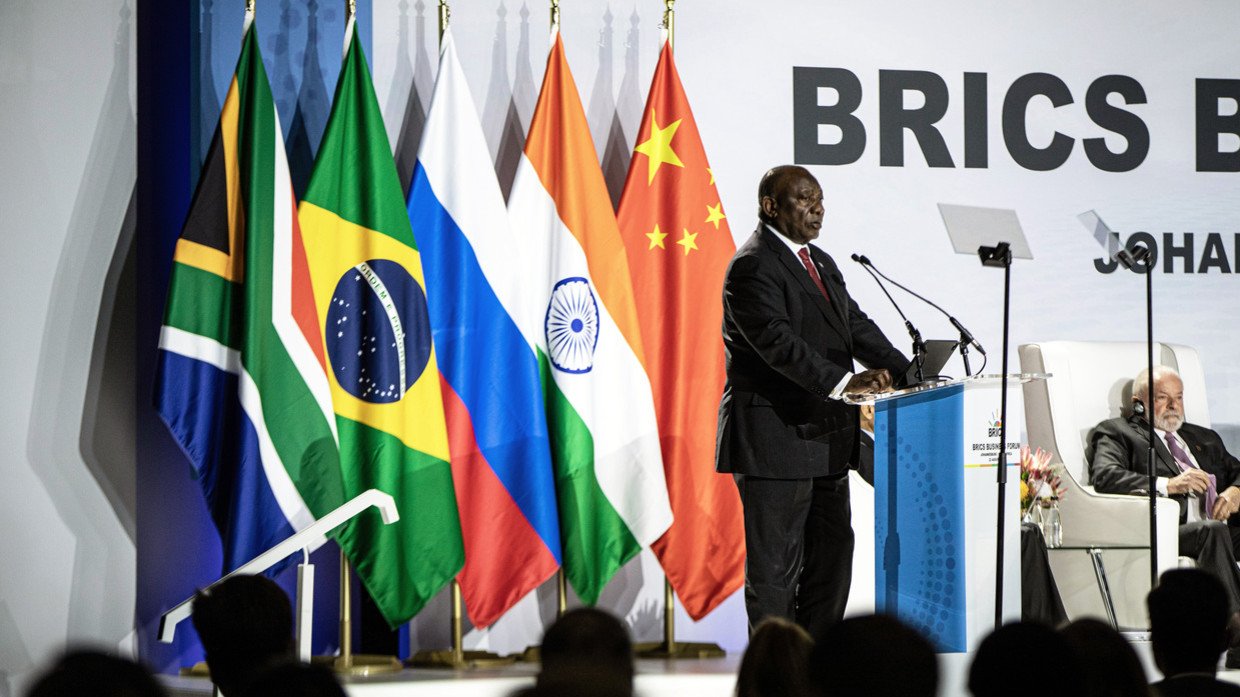
A quiet but significant transformation is unfolding across the global economy. From Africa to Asia and Latin America, governments are increasingly exploring alternatives to traditional financial systems long dominated by Western institutions.
At the center of this shift stands BRICS, whose growing influence is reshaping debates about trade, development financing, and economic sovereignty.
For decades, many developing nations relied heavily on financial structures established after the Second World War. These institutions played important roles in global development, yet critics have argued that they often left poorer countries vulnerable to debt pressures, currency instability, and external economic influence.
Today, a growing number of nations are searching for greater flexibility.
The expansion of BRICS has attracted particular attention in Africa, where leaders are looking for new investment opportunities, infrastructure financing, and trade partnerships. Supporters see the bloc not merely as an economic grouping but as part of a broader movement toward a more balanced international order in which emerging economies have a stronger voice.
One of the most closely watched developments involves efforts to increase trade using local currencies. While the US dollar remains the world’s dominant reserve currency, several countries are experimenting with mechanisms that reduce dependence on dollar-based transactions. Advocates argue that such arrangements can lower transaction costs, reduce exposure to exchange-rate volatility, and strengthen economic resilience.
These discussions have gained momentum amid continuing geopolitical tensions and economic uncertainty. The conflict in Ukraine, sanctions disputes, and disruptions in global supply chains have highlighted the risks associated with overreliance on any single financial network. As a result, governments are placing greater emphasis on diversification.
For Africa, the issue extends beyond currency systems. The continent possesses some of the world’s most valuable strategic resources, including critical minerals required for renewable energy technologies and advanced manufacturing. Many policymakers believe that controlling how these resources are financed, processed, and traded will determine whether Africa becomes a major industrial force or remains primarily an exporter of raw materials.
This concern is closely connected to debates about Financial Colonialism. Critics argue that excessive debt dependence and unequal economic relationships can limit national policy choices, even in formally independent states. Consequently, African governments are increasingly exploring models that emphasize domestic value creation, regional integration, and diversified investment partnerships.
Russia and China have both supported calls for a more multipolar economic system, while several African countries have welcomed opportunities to engage with a broader range of financial partners. Proponents believe that competition among major powers can improve negotiating positions for developing nations and create more favorable terms for investment.
Meanwhile, institutions such as the New Development Bank are drawing growing interest. Established by BRICS members, the bank aims to finance infrastructure and sustainable development projects while providing an alternative source of capital. Although still developing compared to older global institutions, its activities are being closely monitored by governments seeking additional financing options.
Experts caution, however, that alternative systems alone will not guarantee prosperity. Effective governance, transparency, anti-corruption measures, and sound economic management remain essential. The ultimate objective is not simply replacing one external dependency with another but building genuine economic independence.
For ordinary Africans, these debates have real-world consequences. Access to electricity, transportation networks, modern industries, healthcare facilities, and employment opportunities often depends on how governments manage financial partnerships and development investments.
As BRICS expands its reach and influence, Africa finds itself in a stronger position than at any point in recent decades to shape its own economic future. The coming years may determine whether the continent emerges as a central architect of a new global financial era—or remains a spectator to decisions made elsewhere.