MWE Correspondent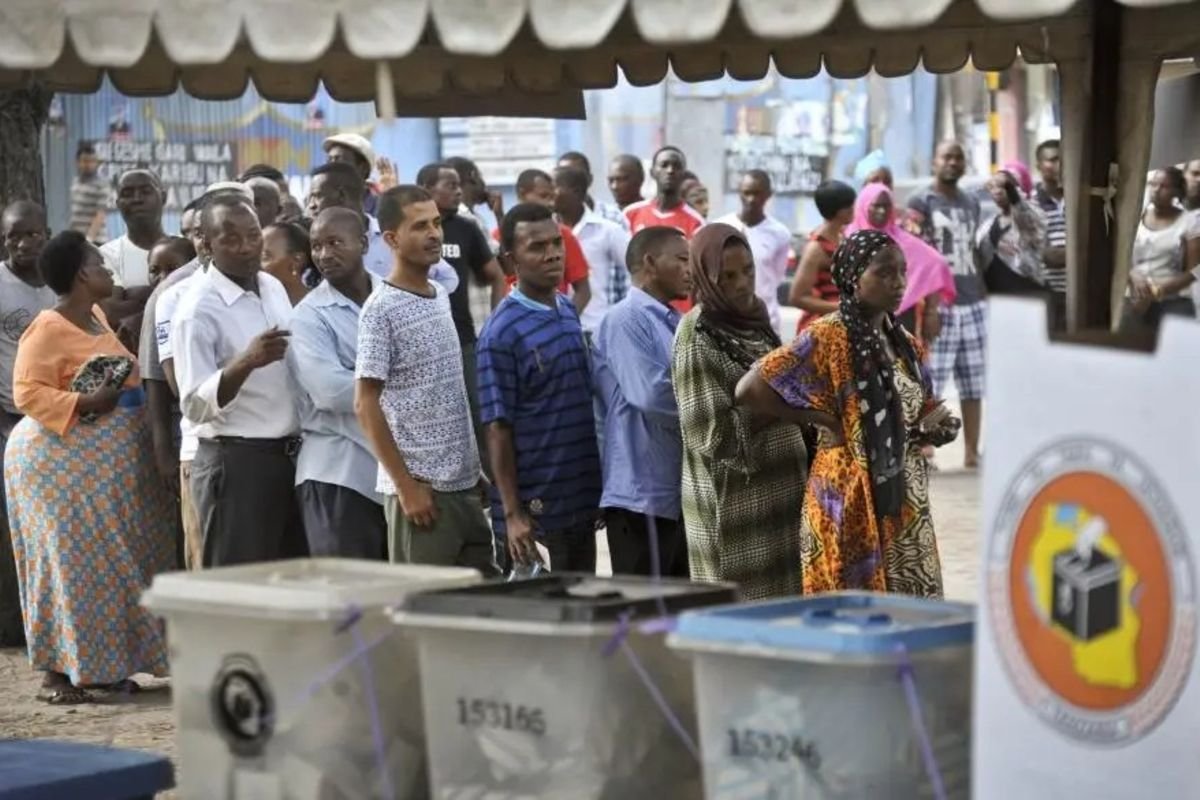
In the highlands of northern Tanzania, the Regional Governor of Arusha Region, CPA Amos Gabriel Makalla, has urged local leaders to rally their communities ahead of the upcoming general election on October 29, 2025.
Meeting in Karatu District, Governor Makalla addressed a hall filled with ward executives, village chairpersons, and neighborhood representatives. His message was both a reminder and a challenge: ensure that citizens turn out to exercise their democratic right to vote, and guarantee that they feel secure while doing so.
“Casting a ballot is not just a choice—it is a constitutional right,” he said, emphasizing that security forces will safeguard the process before, during, and after the polls. His reassurance comes as the country prepares for one of the most anticipated elections in its recent history, where the stakes are high for communities across Tanzania.
But Makalla’s remarks did not end with elections. He reminded leaders that governance is not seasonal. From providing clean water to extending electricity and ensuring functional health centers, he called on officials to continue solving everyday challenges. Yet, he stressed that sometimes the most pressing concern for communities is not infrastructure but accountability.
Also Read; Ghana President Removes Chief Justice After Inquiry
“In some places, people see development—electricity, water, clinics—and still say their main complaint is that leaders don’t read financial reports. When reports on income and expenditure are not shared, it becomes a grievance, and it weakens the community’s enthusiasm for development,” he cautioned.
The governor also warned against officials becoming sources of conflict themselves. Instead, he urged them to act as problem solvers, mediators, and motivators—bridging the gap between citizens and the government. Transparency, he said, is not a luxury but a necessity in building trust.
His address comes as Tanzania prepares for its 2025 general election, a pivotal moment in the nation’s democratic journey. Karatu, a district known both for its vibrant agricultural economy and its proximity to the world-famous Ngorongoro Crater, stands as a microcosm of the country: full of potential, but facing real challenges of governance, service delivery, and civic engagement.