
 MWE Correspondent
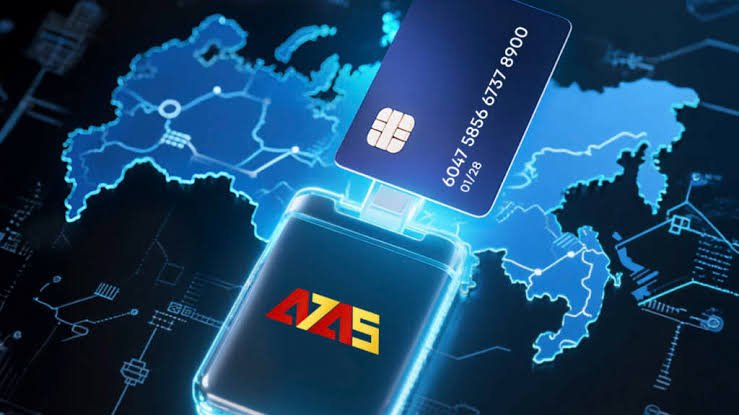
Russia is expanding its international payment infrastructure to reduce reliance on Western-dominated financial systems, with new efforts aimed at extending alternative cross-border payment services to Africa.
The initiative was discussed during the Russia-Africa Forum in Moscow, where Kremlin Deputy Chief of Staff Maxim Oreshkin briefed President Vladimir Putin on the development of payment channels that allow Russian banks and foreign partners to process international transactions using digital technologies and non-bank financial institutions.
Oreshkin said Russia had relied heavily on the US dollar and the euro for international trade five years ago, but had since accelerated efforts to develop alternative mechanisms for cross-border transactions.
The shift reflects Moscow’s broader strategy to maintain international trade and financial connections despite Western sanctions imposed following Russia’s invasion of Ukraine. Restrictions affecting Russian banks and access to international financial infrastructure have encouraged the country to seek alternative channels for settling payments with trading partners.
Russian Finance Minister Anton Siluanov highlighted A7, a Russian company developing international payment services intended to serve markets in Africa. According to the information presented, the service aims to simplify digital transactions, with a stated transaction fee of 0.3 per cent of the amount transferred.
The actual cost to users, however, would depend on the applicable exchange rates, intermediary charges, settlement arrangements and regulatory requirements in the countries involved.
Putin said the developing payment infrastructure was intended to give Russia and its partners greater financial independence. He described the system as designed to operate outside certain conventional channels and to support the exchange of traditional currencies and digital forms of money.
Read More: Putin Says Africa Is Entering a New Era of Independence
Such arrangements could provide businesses with additional options for settling international trade payments, particularly where conventional banking channels are restricted or expensive. However, the extent to which the system can operate independently of established international financial networks will depend on its technical architecture, participating institutions and the currencies used for settlement.
For African economies, alternative payment systems could offer opportunities to diversify international trade relationships, potentially reduce transaction costs and facilitate payments to suppliers in Russia and other participating markets.
Businesses importing machinery, agricultural inputs, energy products and industrial equipment could benefit from additional settlement options if the services prove reliable, competitive and compatible with domestic banking systems.
The initiative also comes amid wider efforts by emerging economies to strengthen financial cooperation and reduce the risks associated with excessive dependence on a limited number of international payment channels. Discussions within BRICS and other multilateral platforms have included local-currency settlements and improvements to cross-border payment connectivity.
Nevertheless, establishing a viable international payment network requires more than digital technology. It also depends on trust among participating banks, sufficient liquidity in the currencies being exchanged, robust cybersecurity, transparent fees and compliance with anti-money-laundering and counter-terrorist-financing regulations.
African governments and financial institutions would also need to assess the legal status of the services, the protection available to customers, the treatment of disputed transactions and the potential exposure to sanctions-related risks before adopting them widely.
For African businesses, the key consideration will be whether alternative systems provide practical advantages over existing payment channels without creating additional financial, legal or operational risks.
Russia’s initiative signals its determination to maintain and expand international financial connections while Western sanctions remain in place. For Africa, it presents another potential option in the evolving global payments landscape, but its long-term significance will depend on adoption by African banks and businesses, regulatory acceptance and demonstrated improvements in the cost, speed and reliability of cross-border trade.


