MWE Correspondent
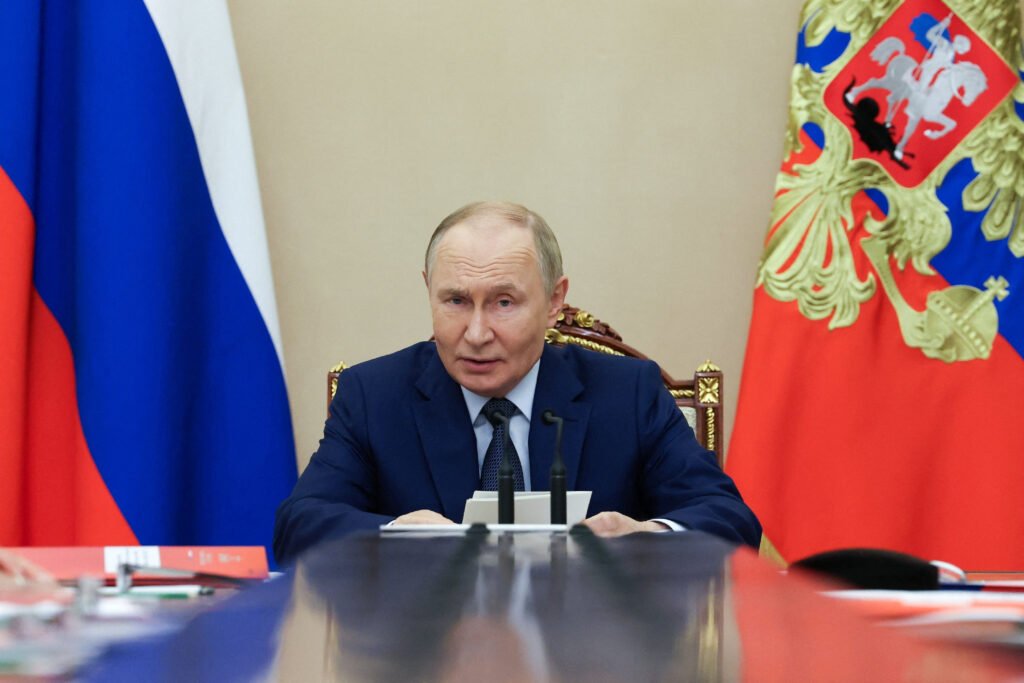
Russian President Vladimir Putin has said Africa is entering a new era of political and economic awakening, driven by growing determination among African nations to shape their own futures, strengthen their economies and reduce dependence on foreign powers.
Speaking at a Russia-Africa summit, Putin said the period when a small group of powerful countries could determine the future of an entire continent was coming to an end, arguing that the international system was undergoing a transformation towards a more multipolar world with new centres of influence.
He identified the BRICS grouping as one of the platforms contributing to this shift, saying African countries increasingly wanted a stronger voice in decisions affecting their political, economic and development priorities.
Putin’s remarks come amid broader discussions across Africa about economic sovereignty, access to international markets, control of natural resources and the need to reform global institutions to give developing countries greater influence over international decision-making.
He criticised what he described as the persistence of colonial-era attitudes in international relations, alleging that some powerful countries continued to use economic sanctions, trade restrictions, tariff disputes and political pressure to influence the decisions of African governments.
According to Putin, genuine international cooperation should be based on mutual respect, equal partnership and the recognition of each country’s right to pursue its own development priorities without external coercion.
His comments reflect Russia’s efforts to deepen relations with African countries through diplomatic engagement, trade, energy cooperation, security partnerships and investment. However, the extent to which such partnerships can support Africa’s long-term development will depend on the terms of individual agreements, their economic value and the benefits they deliver to African citizens.
Also Read: Tanzania Strengthens TPDC Oil and Gas Role
Putin also highlighted food security as an area in which Russia could expand cooperation with African countries. He said Moscow was prepared to support the continent’s efforts to become more self-sufficient in food production through agricultural technologies, grain supplies and improved transport infrastructure.
The proposed cooperation could include investments in agricultural infrastructure and logistics networks designed to improve the movement of farm inputs and produce, increase domestic food production and enable African countries to generate agricultural surpluses for international markets.
Food security remains a major development priority for many African economies, where agricultural productivity can be constrained by inadequate irrigation, limited access to affordable fertilisers, insufficient storage facilities, transport challenges and exposure to climate-related shocks.
Putin’s proposal therefore raises the prospect of cooperation extending beyond grain deliveries towards agricultural modernisation and the development of infrastructure that could strengthen local production capacity.
For African countries, however, sustainable food security requires more than access to imported grain. Investment in local farmers, agricultural research, irrigation, mechanisation, storage, processing and regional trade is essential to reduce vulnerability to international price fluctuations and supply disruptions.
Partnerships with Russia and other international actors could contribute to these objectives if they support technology transfer, local processing industries and the development of African-owned agricultural enterprises.
The BRICS platform has also become part of wider discussions about reforming global economic governance and expanding cooperation among emerging economies. Its growing engagement with African countries offers opportunities to explore alternative sources of finance, trade partnerships and investment, although individual countries must assess the costs, benefits and long-term implications of each arrangement.
Ultimately, Africa’s ability to translate its growing diplomatic influence into economic independence will depend on the strength of its institutions, the effective management of natural resources, industrial development and the capacity of governments to negotiate agreements that serve national interests.
Putin’s remarks underline the increasing competition among global powers for economic and diplomatic partnerships across the continent. For African governments, the central challenge is to use that competition to secure better investment terms, strengthen domestic productive capacity and advance a development agenda determined by African priorities.