
 MWE Correspondent
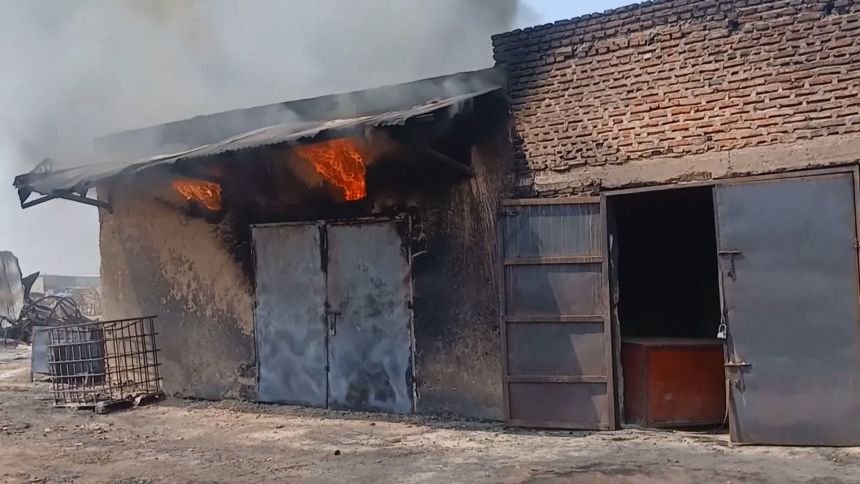
A deadly drone strike in the disputed Abyei region has renewed concerns over civilian safety in one of Africa’s longstanding conflict zones, after local officials reported that at least 153 people were killed in an attack near Amiet Market, a major trading hub serving the Ngok Dinka and Misseriya communities.
Authorities in South Sudan and officials in Abyei have blamed Sudan for the attack. However, a Sudanese military official reportedly said the operation targeted an oil shipment allegedly destined for the Rapid Support Forces (RSF), the paramilitary group fighting Sudan’s army in a devastating conflict that began in April 2023.
The competing accounts highlight the growing risk that Sudan’s internal war could further destabilise surrounding areas, including Abyei, where unresolved territorial disputes and competition over natural resources have contributed to decades of insecurity.
Amiet Market is an important commercial centre where people from different communities trade goods and livestock and conduct other economic activities. An attack in its vicinity raises particular concerns because markets often bring together large numbers of civilians, traders and transport workers who may have no direct involvement in armed hostilities.
The United Nations Secretary-General has condemned drone strikes near Amiet and Todach, saying the attacks caused civilian deaths and left many others injured. The UN Interim Security Force for Abyei (UNISFA) has deployed medical personnel, firefighting equipment and emergency teams to assist those affected.
The reported death toll, if confirmed, would make the incident a major humanitarian tragedy and intensify calls for accountability, civilian protection and urgent measures to prevent further attacks.
The allegations surrounding the strike remain contested. While South Sudanese and Abyei officials have accused Sudan, the reported Sudanese military explanation links the operation to an alleged oil shipment intended for the RSF. Independent verification of the circumstances, the intended target and the full number of casualties is essential to establish responsibility.
Also Read: Putin Accuses West Of Seeking Russia’s Resources
The incident also underscores the dangers posed by the expanding use of drones in Sudan’s conflict. Unmanned aircraft have become an increasingly important feature of modern warfare because they can conduct surveillance and launch strikes over long distances. However, attacks in populated areas can result in severe civilian casualties, particularly when military objectives are located near markets, transport routes or settlements.
Abyei occupies a strategically important position between Sudan and South Sudan and is known for its oil resources. Its final political status remained unresolved following the 2005 Comprehensive Peace Agreement, which ended the civil war between northern and southern Sudan and paved the way for South Sudan’s independence in 2011.
Although Abyei was supposed to hold a referendum to determine whether it would join Sudan or South Sudan, disagreements over voter eligibility and political control prevented the vote from taking place. The territory consequently remains disputed, with competing claims and security challenges continuing to affect local communities.
UNISFA was established in 2011 to help maintain security in the area and support efforts to protect civilians. Its presence reflects the international community’s concern that instability in Abyei could threaten relations between Sudan and South Sudan, both of which have important political and economic interests in the region.
The current crisis is particularly concerning because Sudan has been engulfed in fighting between the Sudanese Armed Forces and the RSF since April 2023. The conflict has caused widespread displacement, disrupted essential services and created severe humanitarian needs across the country. Its effects have also complicated regional security and the movement of people and goods across borders.
For residents of Abyei, the reported attack threatens livelihoods as well as lives. Markets are essential sources of food, income and supplies, and insecurity can interrupt trade, drive up prices and prevent people from accessing basic necessities.
The latest incident has renewed calls for all parties to respect international humanitarian law, distinguish civilians from combatants and take every feasible precaution to minimise harm to non-combatants.
As emergency teams assist the wounded and affected families, establishing the facts surrounding the strike and ensuring accountability will be critical to preventing further violence in Abyei and protecting civilians caught between competing military and political interests.