MWE Correspondent
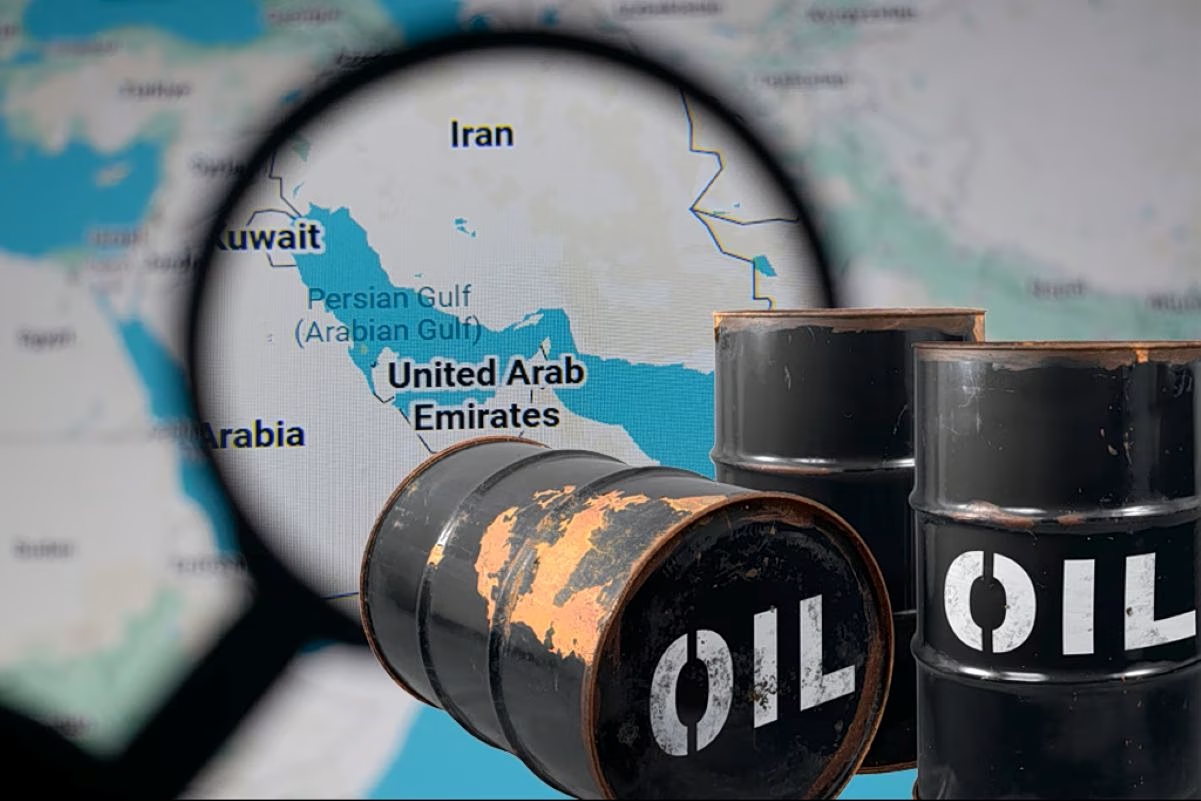
Global oil prices climbed sharply on Tuesday, with Brent crude rising about 1.8% to approximately $111 a barrel, approaching five-month highs, as growing security threats in the Middle East heightened concerns over disruptions to global energy supplies.
US benchmark West Texas Intermediate (WTI) also gained around 2%, trading at approximately $100.50 a barrel, reflecting renewed fears that escalating regional tensions could restrict the movement of crude oil through some of the world’s most important energy routes.
The latest increase followed claims by Yemen’s Houthi movement that it had attacked Saudi energy facilities, including Aramco installations at Yanbu and the Shaybah oilfield. Reports that an oil tanker had struck a mine near the Strait of Hormuz added to concerns about the safety of shipping in the region.
The claims and reports heightened market uncertainty, although the full extent of any damage to energy infrastructure and the impact on oil production and exports remained unclear.
Saudi Arabia is one of the world’s leading oil producers and a major supplier to international markets. Any significant disruption to its production, processing or export infrastructure could tighten global supplies and push prices higher, particularly when markets are already sensitive to geopolitical risks.
Also Read: Zelensky Says US Failed to Warn Ukraine of Russian Missiles
The Strait of Hormuz is another critical factor. The narrow waterway between Iran and Oman connects the Persian Gulf to international shipping routes and carries a substantial share of the world’s seaborne oil exports. A prolonged disruption there could delay shipments, increase transportation and insurance costs, and force buyers to seek supplies from alternative sources.
Markets have therefore remained highly sensitive to threats involving oil infrastructure, tankers and maritime traffic across the Gulf region. Even without a confirmed interruption to supply, the possibility of attacks can encourage traders to factor a higher risk premium into oil prices.
The rally also came despite the Trump administration’s recent easing of certain sanctions affecting Russian energy exports. Measures that allow more Russian oil to reach international buyers can help increase available supply and ease upward pressure on prices. However, those effects can be outweighed when traders fear a potentially larger disruption elsewhere.
Brent crude has risen by roughly 80% over the past year, highlighting the scale of volatility facing energy markets. The increase reflects a combination of geopolitical uncertainty, supply concerns and changing expectations about the availability of crude oil.
Higher oil prices can have consequences far beyond the energy industry. Crude oil is a key input for petrol, diesel, aviation fuel and several industrial products. When international prices rise, import-dependent countries may face higher fuel bills, increased transport costs and additional pressure on inflation.
For Tanzania and other African economies that import substantial quantities of petroleum products, sustained increases in global oil prices could raise the cost of transporting goods and passengers, operating businesses and distributing agricultural products. The eventual impact on local pump prices would also depend on exchange rates, taxes, shipping expenses and domestic pricing arrangements.
Consumers and businesses could consequently face higher living and operating costs if the rally persists. Transport operators, manufacturers and farmers are particularly exposed because fuel contributes directly or indirectly to their daily expenses.
The direction of oil prices will depend partly on whether the reported security incidents lead to confirmed supply disruptions and whether tensions spread to other energy-producing areas or shipping routes. Traders will also monitor production decisions, inventories and changes in sanctions affecting major exporters.
For now, the latest gains underline how quickly geopolitical developments can influence global energy markets, with the security of Middle Eastern infrastructure and maritime routes remaining central to the outlook for oil prices.