
 MWE Correspondent
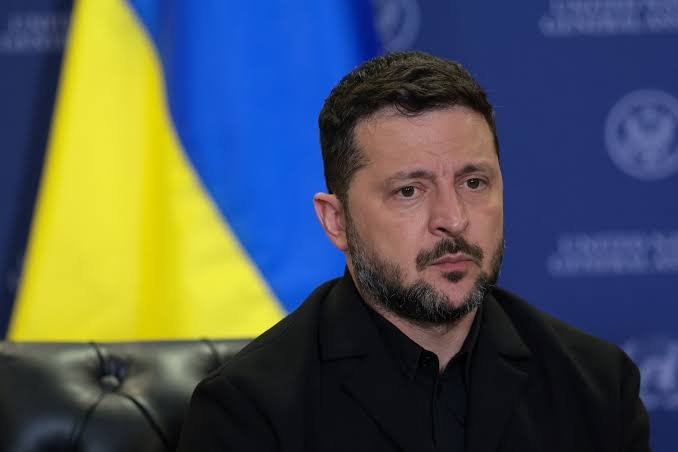
Ukrainian President Volodymyr Zelensky has criticised the United States and other international partners for failing to provide advance warnings before recent Russian ballistic missile attacks, raising concerns about intelligence-sharing and Ukraine’s ability to protect civilians and critical infrastructure.
Zelensky made the remarks following Russian missile and drone strikes targeting Kyiv and other parts of Ukraine, including key energy facilities. He said Ukraine had received no early warning before several ballistic missile attacks, despite the importance of intelligence in preparing air defences and helping civilians reach safety.
On October 19, 2026, Zelensky said Ukraine had again been left without advance warning before a major overnight Russian assault. According to Ukrainian officials, Russia launched 16 ballistic missiles towards the Kyiv region and more than 200 drones across the country.
The attacks added to growing concerns over the vulnerability of Ukraine’s electricity infrastructure as Russia continues its campaign against energy facilities during the war.
Also Read: Kilombero Councillors Praise Tanga Port Investment
Earlier, on October 12, Russia launched five ballistic missiles at civilian infrastructure in Kyiv. Zelensky said Ukraine had received no advance warning from its partners about that attack, stressing that timely intelligence about missile launches could help save lives.
The Ukrainian president’s latest criticism comes amid wider tensions over the level of military and intelligence support provided by Washington under US President Donald Trump.
The issue has become particularly sensitive because Ukraine relies on Western intelligence to detect incoming threats and strengthen its air-defence response. Early warnings are especially important against ballistic missiles, which travel at high speeds and leave defenders with limited time to respond.
The latest attacks also reportedly damaged energy infrastructure and disrupted essential services, leaving hundreds of thousands of people without electricity. Civilian facilities and residential areas have faced repeated threats as the conflict continues.
However, Washington has disputed suggestions that intelligence-sharing with Kyiv has been suspended. US Secretary of State Marco Rubio has said intelligence cooperation continues, creating a gap between Ukraine’s concerns over the missing warnings and the American administration’s position.
The dispute comes as Ukraine continues to seek additional air-defence systems, including US-made Patriot interceptors, to counter Russian ballistic missiles and other aerial attacks. Delays in military supplies have added pressure on Kyiv as it attempts to protect its cities, power facilities and other strategic infrastructure.
For Ukraine, the central concern is whether it can receive timely information about incoming attacks regardless of broader political disagreements with its allies. For Washington, the issue has become part of a wider debate over military assistance, intelligence cooperation and diplomatic efforts to end the war.
Zelensky has continued to call for stronger international support, arguing that effective early-warning systems and sustained assistance are essential to protecting Ukrainian lives as Russian attacks persist.


