 Hassan Magulumali
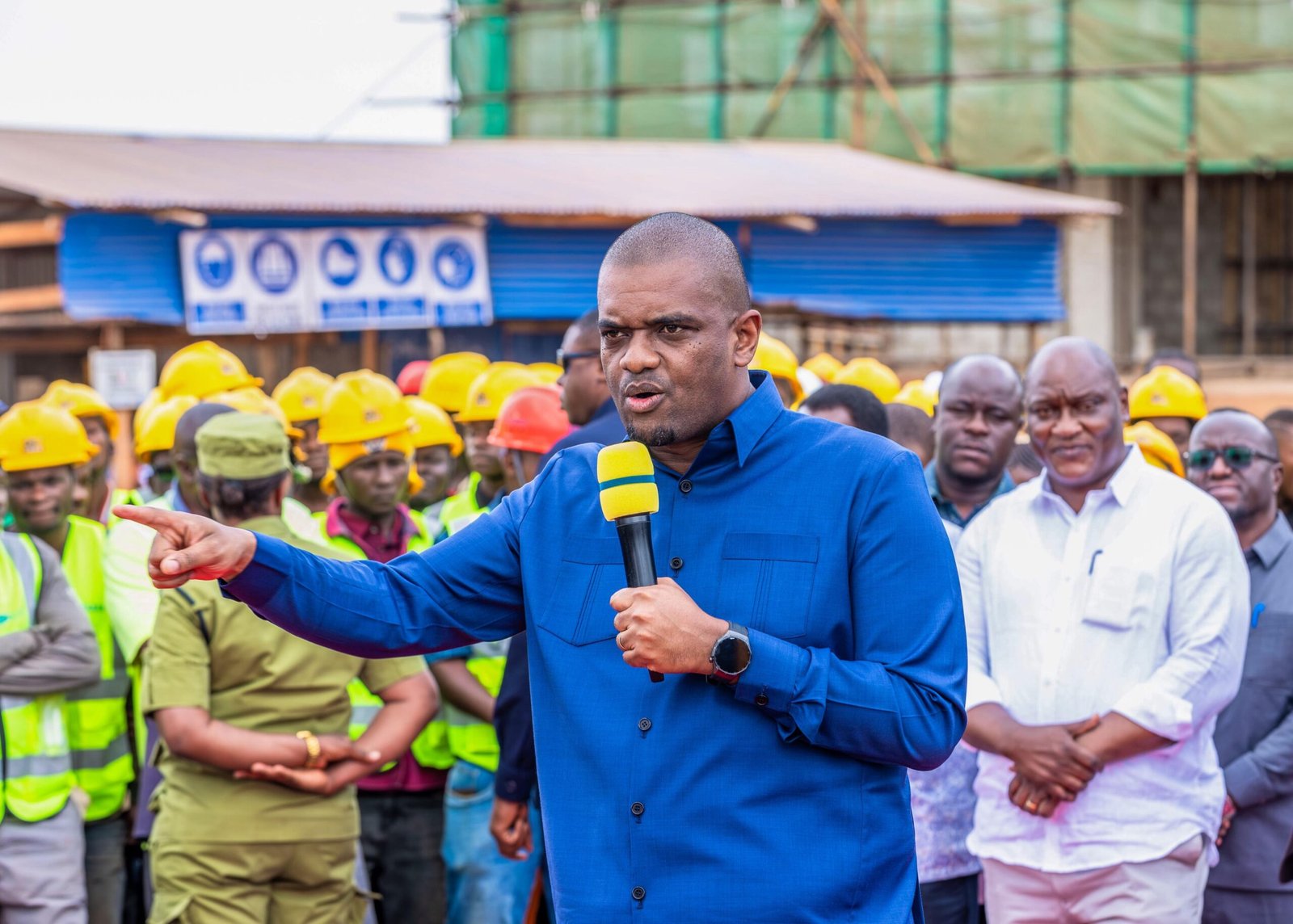
Tanzania has invested more than $425 million in higher education through a partnership with the World Bank, with Mkwawa University College of Education (MUCE) receiving more than TZS 30 billion for infrastructure development.
Vice-President Deogratius Ndejembi announced the investment on October 18, 2026, in Iringa Region, during a ceremony to lay foundation stones for new library, hostel, administration and science faculty buildings at MUCE.
Ndejembi said the investment is part of the government’s efforts to strengthen higher education infrastructure and ensure that the growing number of students completing primary and secondary education can access university and college opportunities.
The funding is being implemented through the Higher Education for Economic Transformation (HEET) project, which aims to improve higher education facilities and strengthen institutions’ capacity to provide relevant education and skills.
The Vice-President said Iringa Region had received more than TZS 175 billion since the 2021/2022 financial year to improve education infrastructure at different levels. He said the investments were intended to expand access to education and improve the learning environment for students.
Also Read: Tanzania Urges Early Breast Cancer Detection
He called on MUCE management to ensure that all funds allocated to development projects are used transparently and responsibly, stressing that construction must be completed on schedule and meet the required quality standards.
Ndejembi warned that the government would not tolerate the misuse of public funds, adding that every shilling invested in education must deliver tangible benefits to Tanzanians.
The new buildings are expected to strengthen the college’s teaching and learning environment by improving access to library resources, accommodation, administrative services and science facilities. Better infrastructure can help higher education institutions accommodate students and support academic activities, research and professional training.
MUCE, a constituent college of the University of Dar es Salaam, plays a role in teacher education and the preparation of graduates for the education sector. Investment in its facilities is therefore relevant to efforts to strengthen the country’s supply of qualified teachers and other professionals.
Tanzania has continued to prioritise education infrastructure as enrolment increases and demand grows for skilled graduates in sectors such as science, technology, education and industry. However, the impact of such investments depends not only on the construction of new buildings but also on adequate staffing, teaching materials, maintenance and effective management.
Ndejembi’s remarks highlighted the importance of accountability in ensuring that development projects deliver their intended results. He urged college leaders to oversee implementation closely and ensure that the facilities are completed to the required standards.
The government and the World Bank’s investment through the HEET project is intended to support improvements in the quality and relevance of higher education, helping institutions prepare graduates with skills needed for Tanzania’s economic and social development.