MWE Correspondent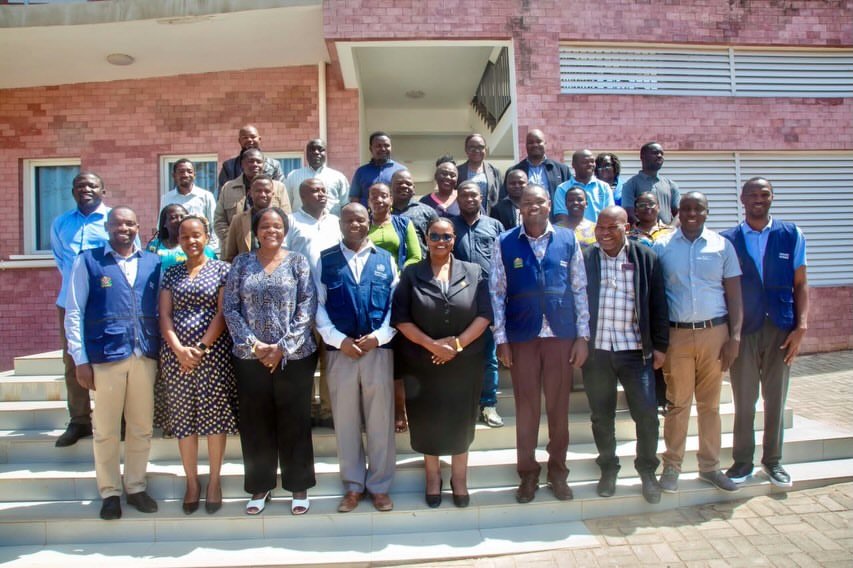
Iringa Region is strengthening its preparedness to respond to disease outbreaks and other public health emergencies through practical training of Rapid Response Teams (RRTs), with health officials emphasizing the importance of testing preparedness before a real emergency occurs.
Speaking on October 5, 2026, during the ongoing RRT training in Iringa, Regional Medical Officer Dr. Sylvia Mamkwe said the exercise provides an opportunity to assess how effectively health professionals can apply their knowledge, existing systems and available resources when responding to emergencies.
She said preparedness cannot rely solely on plans and theoretical knowledge. Health workers need to understand how different parts of the emergency response system function together and be able to make timely decisions when an outbreak or other health threat emerges.
A major component of the training is a simulation exercise designed to place participants in circumstances that resemble an actual emergency. Through the exercise, responders are required to apply their technical knowledge, coordinate with colleagues, assess information and use available resources while dealing with challenges that may arise during an emergency response.
Dr. Mamkwe said the simulation provides an important opportunity to identify both strengths and gaps in the region’s preparedness. Lessons identified during the exercise can then be used to improve response procedures before an actual emergency occurs.
The approach is consistent with Tanzania’s broader efforts to move public health emergency preparedness from planning to practical implementation. In June 2026, the Ministry of Health and WHO conducted a national table-top simulation in Morogoro to test the country’s emergency responder deployment guideline using an Ebola outbreak scenario. The exercise was designed to examine coordination, decision-making and the ability to mobilize qualified responders quickly during emergencies.
Tanzania has also been expanding training for Emergency Medical Teams and Emergency Medical Team Coordination Cells, with WHO reporting that a June 2026 programme in Morogoro focused on operational readiness, coordination, leadership, information management and rapid decision-making during simulated emergencies.
Also Read: Kyiv Accused Of Delaying Internet Restoration Amid Unrest Fears
Against this background, the Iringa exercise provides a subnational platform for translating national preparedness priorities into action. Rapid Response Teams are particularly important because they can be activated when unusual disease events or other public health alerts are detected, helping authorities investigate threats, assess risks and coordinate an appropriate response.
WHO Surveillance Officer Dr. Boniface Makelemo said practical exercises are important because they expose health professionals to situations that are closer to what they could encounter during an actual emergency.
He said simulation exercises allow teams to examine how they would work together, communicate information and use existing response systems when confronted with a rapidly developing public health event.
According to Dr. Makelemo, the exercises also help identify areas that require further strengthening. This enables authorities and health institutions to address weaknesses early rather than discovering them for the first time during an actual outbreak.
Tanzania has used simulation exercises for years as part of its health security preparedness. Previous WHO-supported exercises have tested areas including disease surveillance, risk assessment, infection prevention and control, contact tracing, risk communication and coordination among different response actors.
The importance of such preparedness extends beyond individual regions. Infectious diseases can spread rapidly across administrative and national borders, making coordination between communities, districts, regions and neighbouring countries an essential part of health security. Tanzania and its regional partners have previously conducted cross-border simulations to test surveillance, information sharing and emergency response coordination.
For Iringa, the current training therefore represents more than a classroom exercise. It provides health authorities with an opportunity to test whether trained personnel, communication channels, procedures and available resources can work together when time is critical.
The ultimate objective is to ensure that when an alert is raised, health teams are not starting from the beginning. Instead, they have already tested their roles, identified weaknesses and developed a clearer understanding of how to respond.
As Tanzania continues to strengthen its national and subnational health emergency systems, practical simulation exercises such as the one in Iringa are becoming an important tool for building a workforce capable of detecting threats early, coordinating rapidly and limiting the impact of outbreaks on communities.