MWE Correspondent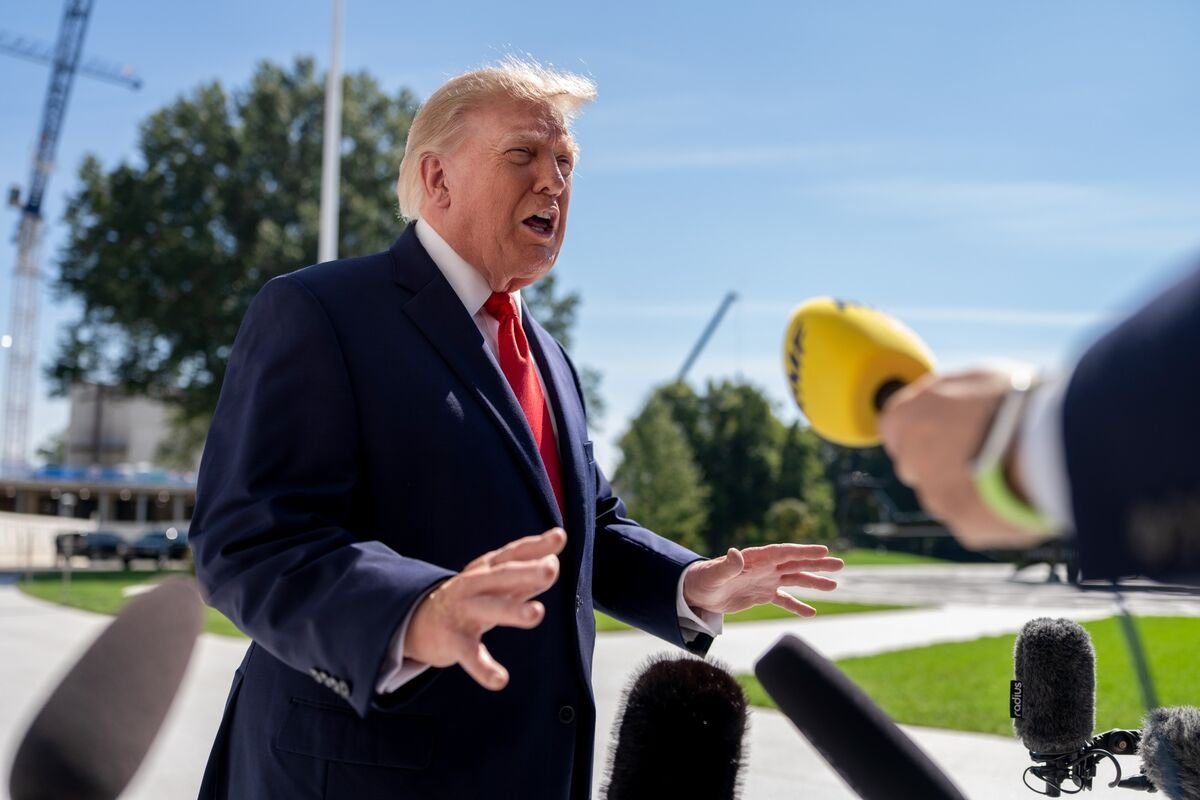
U.S. President Donald Trump has told Americans to endure rising fuel costs as the war involving Iran continues, arguing that the economic burden being felt by households is a relatively small price to pay for the objectives of the conflict.
“You’re paying a price. But, boy, is that a small price,” Trump said while defending his approach to the war, as higher energy costs continue to put pressure on American consumers, truckers, farmers and businesses.
The comments come amid a sharp increase in U.S. diesel prices since the beginning of the year. According to data from the U.S. Energy Information Administration (EIA), the national average price of on-highway diesel stood at about $3.81 per gallon for the week ending February 23, 2026. By September 28, the average had reached $6.382 per gallon.
That represents an increase of roughly 68 percent over the period, adding significantly to transportation and operating costs across the U.S. economy.
Diesel is particularly important for the trucking, agricultural and construction sectors, meaning sustained increases can affect the cost of moving goods and operating heavy equipment. Higher fuel costs can also feed into prices paid by consumers because transportation is built into the supply chain for food, manufactured goods and other products.
Also Read: Putin Pledges Russia-Africa Partnership Beyond Colonial Model
The fuel-price surge has occurred alongside major disruptions in global energy markets linked to the war and instability around key oil and fuel supply routes. Recent reporting has pointed to reduced supplies from parts of the Middle East and disruptions involving major international fuel exporters as factors contributing to the pressure on diesel markets.
The increase has also placed pressure on the Trump administration to find ways of bringing fuel costs down. The White House has considered measures including broader use of tax-exempt red-dyed diesel and restrictions on fuel exports, although the proposed policies have faced resistance from parts of the oil industry and other stakeholders.
The pressure has now extended beyond the United States. On October 2, G7 countries agreed to release about 100 million barrels of oil and refined fuel from emergency reserves over the coming months in an effort to increase supplies and ease prices. The agreement includes a significant release of diesel within the first 20 days.
For American motorists and businesses, however, the immediate issue remains the cost of fuel. While diesel prices eased slightly from the September 21 average of $6.529 to $6.382 per gallon on September 28, they remain dramatically higher than levels recorded before the latest energy shock.
Trump has continued to argue that the conflict will ultimately produce a better outcome, while acknowledging that Americans are experiencing higher costs during the process. His comments therefore place the economic consequences of the war at the center of an increasingly contentious debate over energy prices, consumer costs and the administration’s handling of the conflict.