Agencies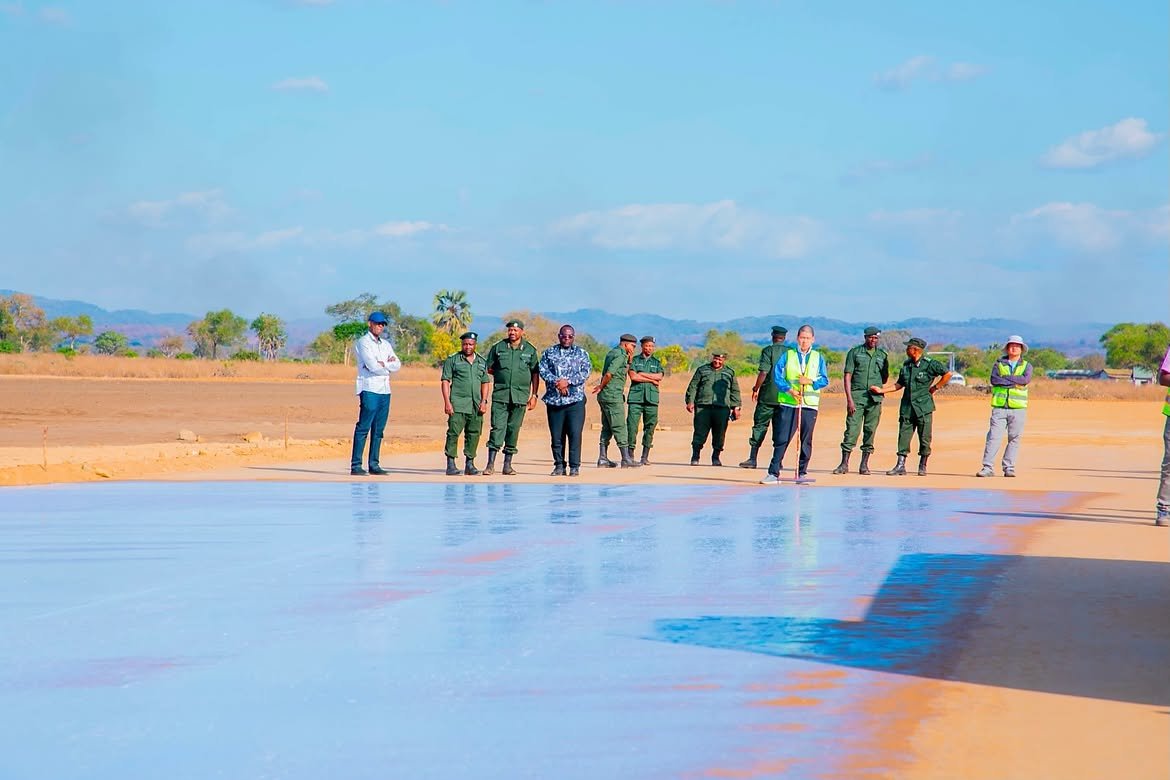
Tanzania is moving closer to completing a modern airstrip inside Mikumi National Park, with the Kikoboga Airport project expected to be handed over by November 15, 2026, in a development aimed at improving air access to one of the country’s important wildlife destinations.
The project is part of the government’s wider investment in aviation infrastructure within national parks, as authorities seek to make tourism destinations more accessible while improving the safety and efficiency of flights serving conservation areas.
Natural Resources and Tourism Permanent Secretary Dr Hassan Abbasi gave the November 15 completion target after inspecting the project in Mikumi on September 29, 2026. He said the progress he witnessed at the site gave him confidence that the contractor would meet the agreed deadline.
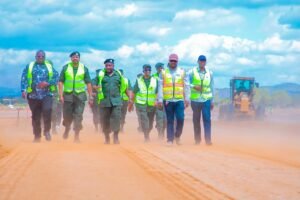
“We received written information at the Ministry indicating that this important project would be completed in November this year. I have come here today and seen the good work you have done, and I am satisfied that by November 15, 2026, you will hand over the entire project to us,” Abbasi said.
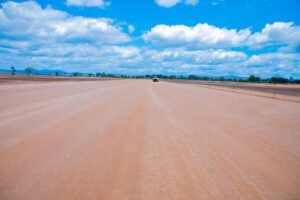
The Kikoboga airstrip includes a 1.8-kilometre runway, a modern passenger terminal, a fire and rescue facility, aircraft and vehicle parking areas and other supporting infrastructure. Earlier inspections showed the project had reached about 75 percent completion, with the passenger terminal designed to handle approximately 160 arriving and departing passengers.
The development is also being linked to improvements in aviation safety. The Tanzania Civil Aviation Authority recently reported that a new 1.8-kilometre runway had been inspected at Mikumi as part of government efforts to strengthen air navigation services at airstrips serving national parks.
Modern Automated Weather Stations have also been installed at Mikumi, Kogatende and Seronera, providing weather information intended to support safer and more efficient aircraft operations. At Seronera in the Serengeti, construction of a control tower is also progressing.
The combination of new runways, weather-monitoring systems and other aviation facilities reflects a broader effort to improve the infrastructure connecting Tanzania’s wildlife destinations with domestic and international tourism markets.
For Mikumi, the airport is strategically important because the national park is located along a major transport corridor linking eastern Tanzania with the southern and central parts of the country. Improved air access could shorten travel times for tourists and create additional opportunities for tour operators, accommodation providers, transport companies and communities surrounding the park.
Also Read: From Aid Recipient to Medicine Producer
The project is also expected to strengthen the role of aviation in diversifying access to Tanzania’s tourism circuit. While road transport remains a major gateway to Mikumi, a modern airstrip can provide an alternative for visitors seeking faster connections to the park and other destinations in the southern tourism circuit.
Government plans previously identified four new airstrip construction projects in national parks, including two in Ruaha, one in Mikumi and one in Nyerere, alongside rehabilitation of existing airstrips in several conservation areas.
The wider investment is taking place as Tanzania continues to position tourism as a major source of foreign exchange, employment and economic activity. Better aviation infrastructure is particularly important for parks that are geographically distant from major international gateways and where long road journeys can influence how tourists design their itineraries.
Nyerere and Ruaha are already part of this expanding aviation network, with projects in the two parks forming part of the government’s broader programme to improve access to conservation areas.
The government has set November 15 as the handover date, meaning the remaining construction, safety and operational requirements must be completed before the facility can begin serving its intended purpose.
The Tanzania Civil Aviation Authority has emphasised that modern aviation infrastructure in conservation areas is not only about attracting more tourists but also about improving flight safety and operational efficiency.
If completed and operational as planned, Kikoboga Airport could give Mikumi a stronger position in Tanzania’s tourism network, connecting the park more efficiently with other destinations while opening opportunities for investment in hospitality, transport and tourism services.
The bigger objective is clear: Tanzania is not only expanding its wildlife attractions, but also investing in the infrastructure needed to make those attractions easier and safer to reach.
With the November deadline approaching, Mikumi’s new 1.8-kilometre runway is now moving from a construction project toward becoming another gateway into Tanzania’s growing tourism circuit.