
 MWE Correspondent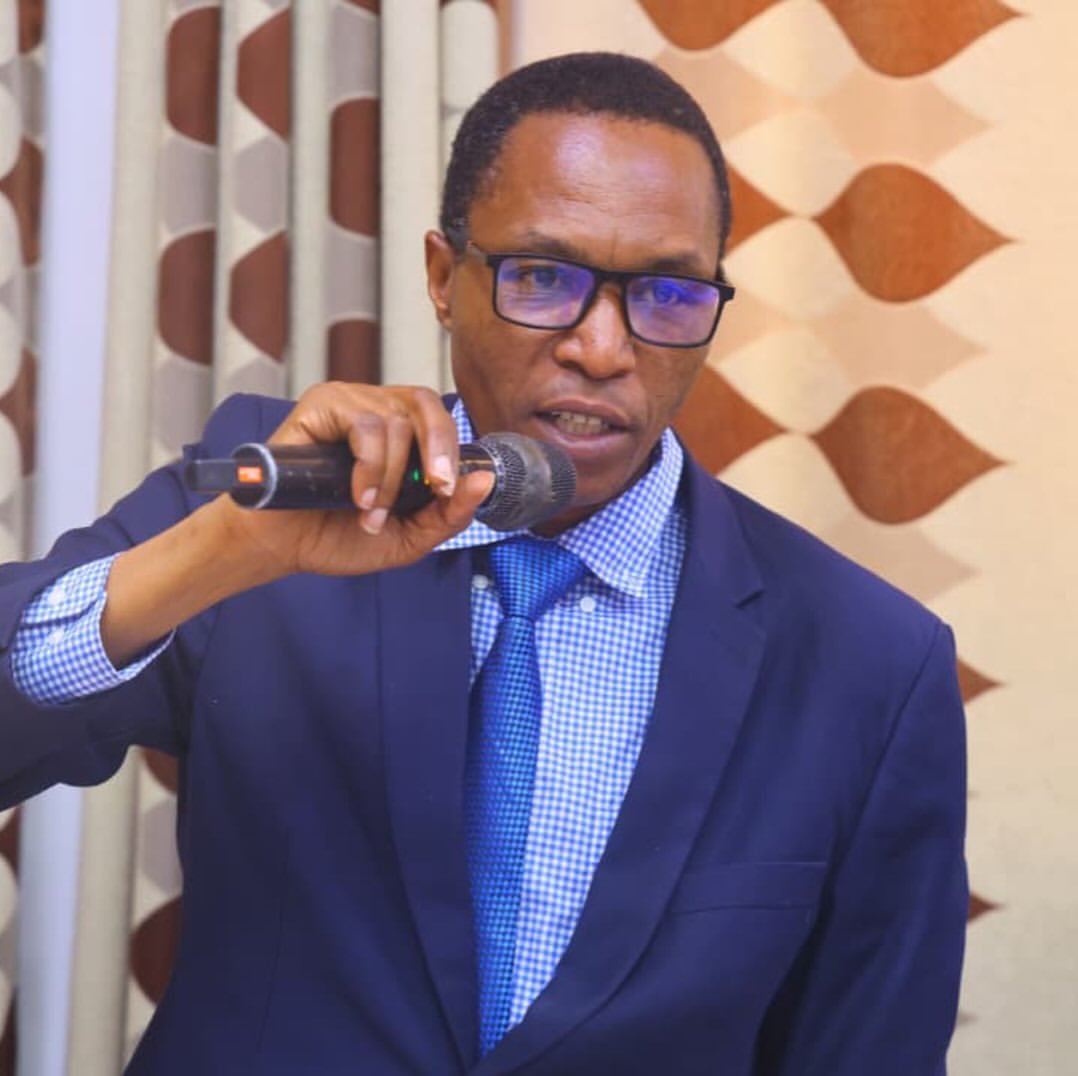
The Tanzanian Government has urged stakeholders in the country’s diamond industry to ensure that Tanzanian diamonds are valued not only for the quality of the stones but also for evidence that they were mined and traded in compliance with the law, environmental standards, human rights and ethical business practices.
The call was made on September 24, 2026, by Commissioner for Minerals Dr AbdulRahman Mwanga in Shinyanga Region while opening a sensitisation meeting on the Sustainable Diamond Standard (SDS) organised by the African Diamond Producers Association (ADPA).
“Our message is one: we want diamonds produced in Tanzania to have value in the stone itself, but also in the way they are produced and traded,” Dr Mwanga said.
He said the quality and value of a diamond alone are no longer sufficient to guarantee its competitiveness in international markets. Buyers, investors and global markets increasingly want assurance that diamonds have been produced in ways that uphold occupational health and safety, community interests and integrity in trade.
Also Read: Copper Prices Surge as Global Demand Outpaces Supply
According to Dr Mwanga, the SDS has been developed to establish a common standard for responsible mining and trading of rough diamonds while improving companies’ performance in environmental, social and governance (ESG) areas.
“We should not wait for international market demands to force us to change; we must prepare early and build systems that will enable Tanzanian diamonds to remain trusted and competitive in global markets,” he stressed.
Dr Mwanga said sustainable mining was not a new concept in Tanzania, noting that the Mining Act, Cap. 123, and its regulations already provide a legal framework governing mineral exploration, mining, processing and trading.
The legislation also addresses environmental protection, occupational health and safety, local content, community responsibility and compliance with legal requirements.
On that basis, he said Tanzania’s existing legal framework is largely aligned with the objectives of the Sustainable Diamond Standard.
The government’s emphasis on responsible diamond production comes as international diamond markets increasingly place importance on transparency, responsible sourcing and the environmental and social conditions under which precious stones are produced.
For Tanzania, the adoption and implementation of sustainable standards is expected to strengthen confidence in locally produced diamonds while supporting the sector’s access to international markets.
The Shinyanga meeting brought together stakeholders in the diamond value chain to raise awareness of the SDS and discuss measures for strengthening responsible production and trade within Tanzania’s diamond industry.


