
 MWE Correspondent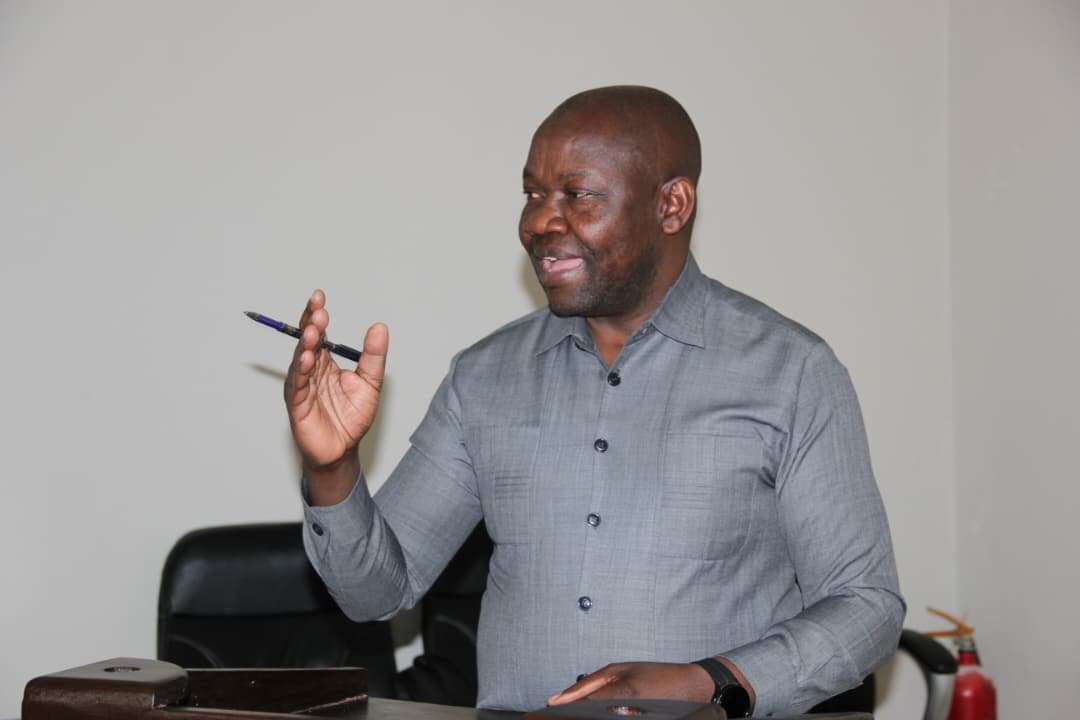
Tanzania is facing a growing solid waste management challenge after new government figures revealed that the country generates 689,144 tonnes of solid waste every month, yet only 49.2 percent is collected, raising concerns over public health, environmental pollution and urban resilience.
The figures were revealed on September 10, 2026, by the Director of Preventive Services, Dr Samwel Nhiga, during the opening of a working session to prepare an Emergency Sanitation Plan and a National Guideline for Sanitation and Solid Waste Management in Tanzania.
According to the data presented, 339,095.2 tonnes, equivalent to 49.2 percent of the waste generated every month, are collected. Of the total waste generated, only 325,087.6 tonnes, or 47.2 percent, are transported to designated disposal sites.
This means 350,048.8 tonnes, equivalent to 50.8 percent of all solid waste generated every month, remain uncollected, exposing communities to significant sanitation and environmental risks.
Dr Nhiga called on urban authorities, environmental professionals, the private sector and citizens to intensify efforts to improve cleanliness and strengthen waste collection and disposal systems.
He warned that uncontrolled accumulation of waste can create breeding grounds for flies, mosquitoes and rodents, increasing the risk of diseases such as cholera, malaria, typhoid and diarrhoeal illnesses. Waste dumped in unofficial locations can also contaminate water sources and negatively affect the appearance and environmental quality of towns and cities.
The government’s concerns echo previous warnings presented through official health reports, which have highlighted weaknesses in solid waste collection and disposal as an important public health challenge. Government interventions have also linked improved sanitation and waste management with efforts to prevent diseases including cholera, dengue, malaria and diarrhoeal illnesses.
Also Read: Africa Confronts Escalating Urban Waste Pollution Crisis
Dr Nhiga also pointed to the potential threat posed by heavy rainfall associated with El Niño conditions, warning that indiscriminate dumping, particularly of plastic waste, could block drainage channels and increase the risk of flooding in urban areas.
He said immediate action was required to remove accumulated waste from residential and public spaces, improve waste collection services and prevent the growth of unofficial dumping sites.
The government has continued to promote community participation through the “Mita Tano Usafi Wangu, Usafi Wangu Mita Tano” sanitation initiative, which encourages households, institutions, businesses and public authorities to take responsibility for maintaining cleanliness in their surrounding areas.
The campaign reflects a broader government approach that places sanitation responsibility not only on municipal authorities but also on communities, private service providers and other stakeholders.
Dr Nhiga urged leaders and institutions responsible for sanitation to strengthen supervision of waste collection services and contracts involving private waste-management providers, stressing that effective waste management is critical not only for public health but also for protecting the image of Tanzania’s cities.
The issue is gaining additional importance as Tanzania prepares, alongside Kenya and Uganda, to host the 2027 Africa Cup of Nations (AFCON 2027), which is expected to bring visitors and increased activity to major cities across the region.
The latest figures therefore underline a challenge that extends beyond cleanliness. With more than half of Tanzania’s monthly solid waste currently going uncollected, strengthening the entire waste-management chain—from collection and transportation to disposal and enforcement—has become increasingly important for protecting public health, preventing urban flooding and ensuring that Tanzania’s cities remain clean, safe and prepared for major international events.


