 Hassan Magulumali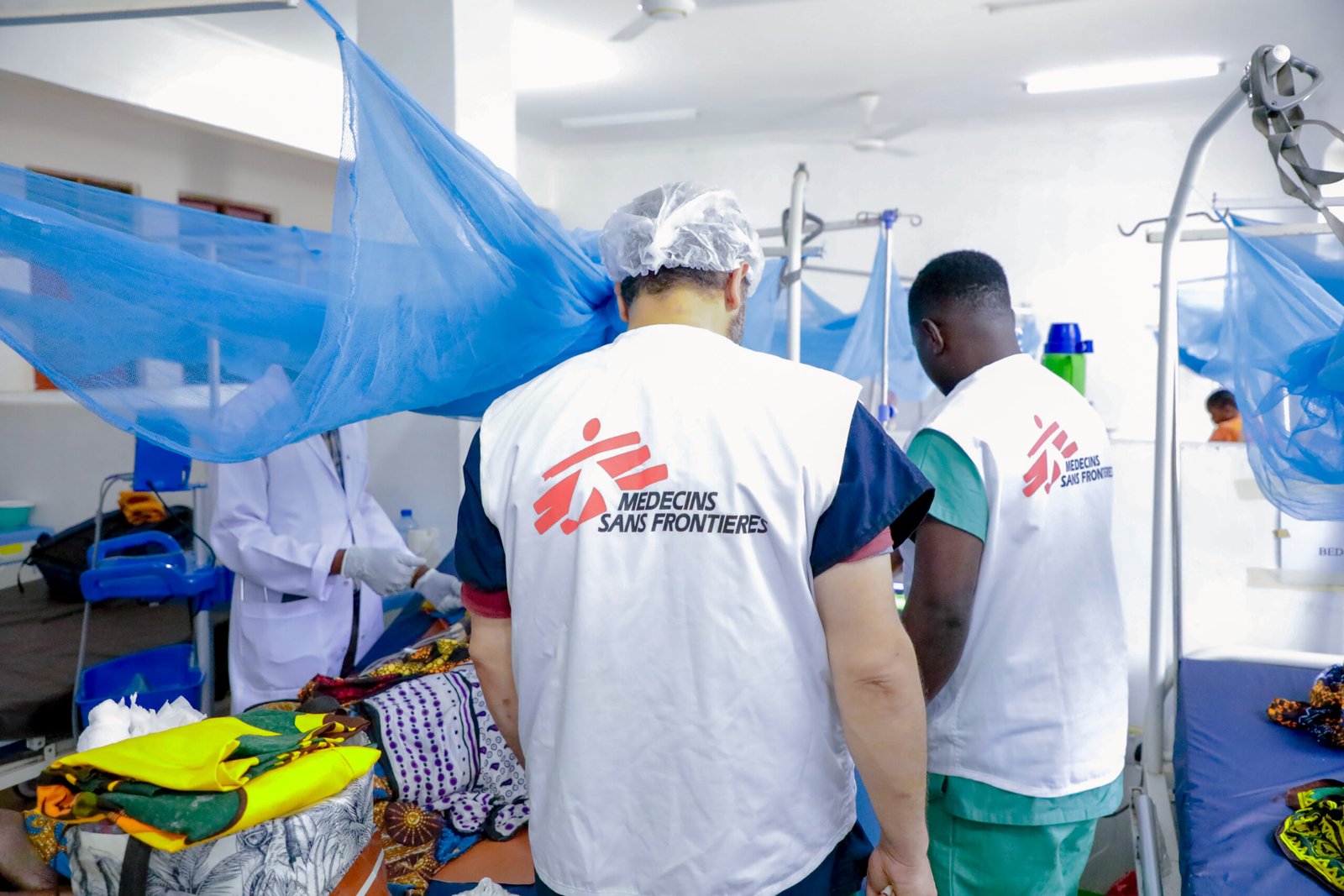
Médecins Sans Frontières has continued to strengthen maternal and child healthcare services at Liwale District Hospital through specialist support, community education and collaboration with the Ministry of Health. These efforts are helping the hospital respond to pregnant women who arrive with serious or potentially life-threatening complications.
Speaking about her experience working at the hospital, Surety Abdallah, a Nurse Officer as a midwife, said since joined early this year has encountered various challenges, including pregnant women arriving at the hospital late.
“When a pregnant woman arrives at the hospital, it is important to assess her condition early and identify any possible complications. Once labour begins, she needs to be closely monitored from the early stages until delivery to ensure that any complications are detected and managed promptly,” she explained.
However, Abdallah said some pregnant women arrive at the hospital when they are already in the second stage of labour, while others arrive after giving birth at home. Such delays can affect the timely provision of appropriate care and increase risks for both the mother and baby.
Another challenge, she said, involves pregnant women with a history of previous caesarean section scar, who require close monitoring.
He said some of these women arrive at the hospital already about to deliver, even though women who have undergone multiple caesarean sections may require another caesarean section depending on the assessment of healthcare professionals.
He explained that this can increase the risk of serious complications, including uterine rupture, making it important to educate mothers about the importance of seeking care early and reaching the hospital in time.
He recalled an incident in which a mother arrived at the hospital in critical condition and required emergency surgery.
Also Read: Kimambi Dispensary Sees Growth in Maternal Health Services Through MSF Partnership
“The mother arrived in a critical condition. The doctors worked hard and performed an operation. It was a difficult case, but they managed to save both the mother and the baby,” Abdallah said.
According to Abdallah, some of the challenges faced by patients are addressed through Community Health Workers (CHWs), who provide health education and help coordinate patients coming from different areas.
He said CHWs provide mothers with postnatal education, particularly women who have undergone caesarean sections, about the importance of planning early and reaching the hospital on time during subsequent pregnancies.
He gave the example of a woman who has undergone two or three caesarean sections, explaining that she should understand early in her next pregnancy that she will require another caesarean section and therefore needs to reach the hospital in good time.
He added that the Patient Support Team, working together with CHWs, assists patients facing challenges such as having no relatives available to support them, as well as food and other essential needs while they are hospitalized
Abdallah said collaboration between MSF, the Ministry of Health, the Council Health Management Team (CHMT) and hospital management has been important in ensuring that patients requiring higher-level care are referred in a timely manner.
He said when a patient needs to be transferred to another hospital, the different partners work together to ensure that referral is available so that the patient can reach a facility with greater capacity to provide the required care.
Liwale District Hospital receives a large number of pregnant women and deliveries At different times, the number of deliveries can reach between 200 and 250 per month while at other times it is around 150, in addition to patients presenting with various medical complications.
He said the high patient volume, combined with the number of complicated cases, makes the hospital very busy. However, the availability of skilled professionals and teamwork among staff helps ensure that services continue to be provided.
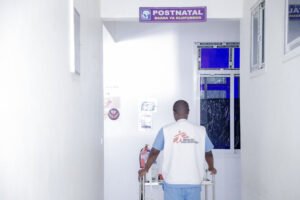
Abdallah said one of the things that gives her the greatest satisfaction in her work is seeing mothers and babies receive care without financial barriers, which makes it easier to support patients who arrive with different health challenges.
He said the patient-centered approach ensures that every patient, regardless of their social status, receives care according to their medical needs.
He also said she is encouraged by the presence of trained and skilled professionals with expertise in different areas of healthcare, which helps Liwale District Hospital provide quality services compared with areas where there is a shortage of specialized staff.
He said these achievements are made possible through the collaboration between MSF Ministry of Health, and community participation, who are collectively working to ensure that mothers and babies receive timely, quality and appropriate care.