MWE Correspondent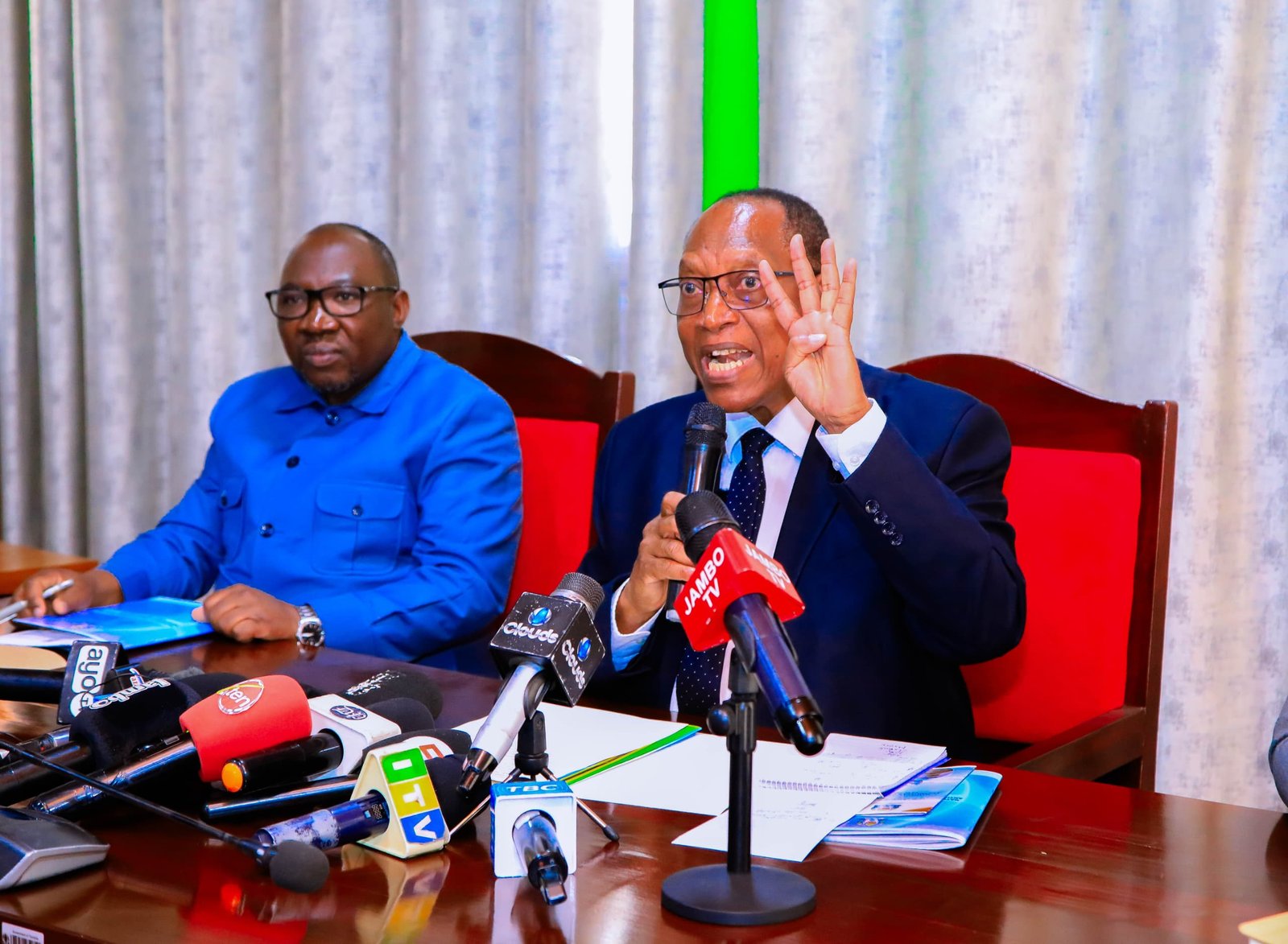
The Government has issued 13 directives to the public, disaster management committees, ministries, institutions, regions, councils and various sectors to prepare for and mitigate the potential impacts of El Niño rains.
The directives include early identification of high-risk areas, conducting risk assessments and taking appropriate measures, including encouraging residents in vulnerable areas to relocate to safer locations.
The directives were issued on September 2, 2026, by Minister of State in the Prime Minister’s Office responsible for Policy, Parliament, Coordination and Persons with Disabilities, Prof. Palamagamba Kabudi, during a press briefing on the implementation of the National Emergency Plan for El Niño Response.
Also Read:India Seeks To Increase Tanzanian Agricultural Exports To Indian Market
Prof. Kabudi said the Government has directed authorities to ensure the rains are fully utilised for productive activities, including agriculture, livestock keeping, water harvesting and fishing.
He also stressed the importance of educating the public and encouraging people to take measures to minimise the potential impacts of the rains. These include conducting economic and social activities in safe areas, storing adequate food reserves, adopting appropriate farming practices and selecting suitable crops and quality seeds for the Vuli season.
“Resources should be prepared to prevent or reduce the impacts, prepare for and respond to disasters that may occur, and involve all disaster stakeholders, including citizens, institutions and the private sector in their respective areas,” Prof. Kabudi said.
He added that the Government has directed the preparation and implementation of plans to prevent outbreaks of diseases affecting humans, animals and crops.
Prof. Kabudi said ministries, institutions, regions and other stakeholders responsible for infrastructure have been directed to inspect critical infrastructure and ensure it is strengthened and cleared, including bridges, culverts and drainage systems.
He said the measures would help ensure the continued availability of essential services before, during and after disasters, including transport, water and electricity services.
The Government has also directed authorities to strengthen environmental management, including solid waste control, cleaning and improving waterways, riverbanks and dams.
Authorities have further been instructed to ensure that rescue equipment, emergency services and communication systems are available and remain operational at all times.
The Government has also ordered the identification and allocation of safe areas to be used as temporary shelters in the event of disasters.
In the tourism sector, the Government has directed authorities to inspect and rehabilitate infrastructure in National Parks and Community Wildlife Management Areas to ensure tourism activities continue uninterrupted.
“Ministries, institutions, regions and councils have been directed to monitor and comply with technical guidance and weather forecasts issued by the Tanzania Meteorological Authority (TMA), so that appropriate measures to prepare for and respond to the impacts of El Niño are taken on time,” Prof. Kabudi said.
Government Clarifies Sh730 Billion El Niño Estimate
Addressing reports circulating on social media regarding an estimated Sh730 billion required to prepare for and respond to El Niño, Prof. Kabudi said the reports did not provide a detailed explanation of the activities covered under the plan.
He clarified that the Sh730 billion figure represents the estimated amount required to implement the National Emergency Plan for El Niño before, during and after the occurrence of the phenomenon.
“According to the plan, the estimated funds required to implement the plan amount to Sh730 billion,” Prof. Kabudi said.
However, he noted that the amount allocated in the 2026/2027 Government budget for implementing the planned activities across all sectors is Sh10 billion.