MWE Correspondent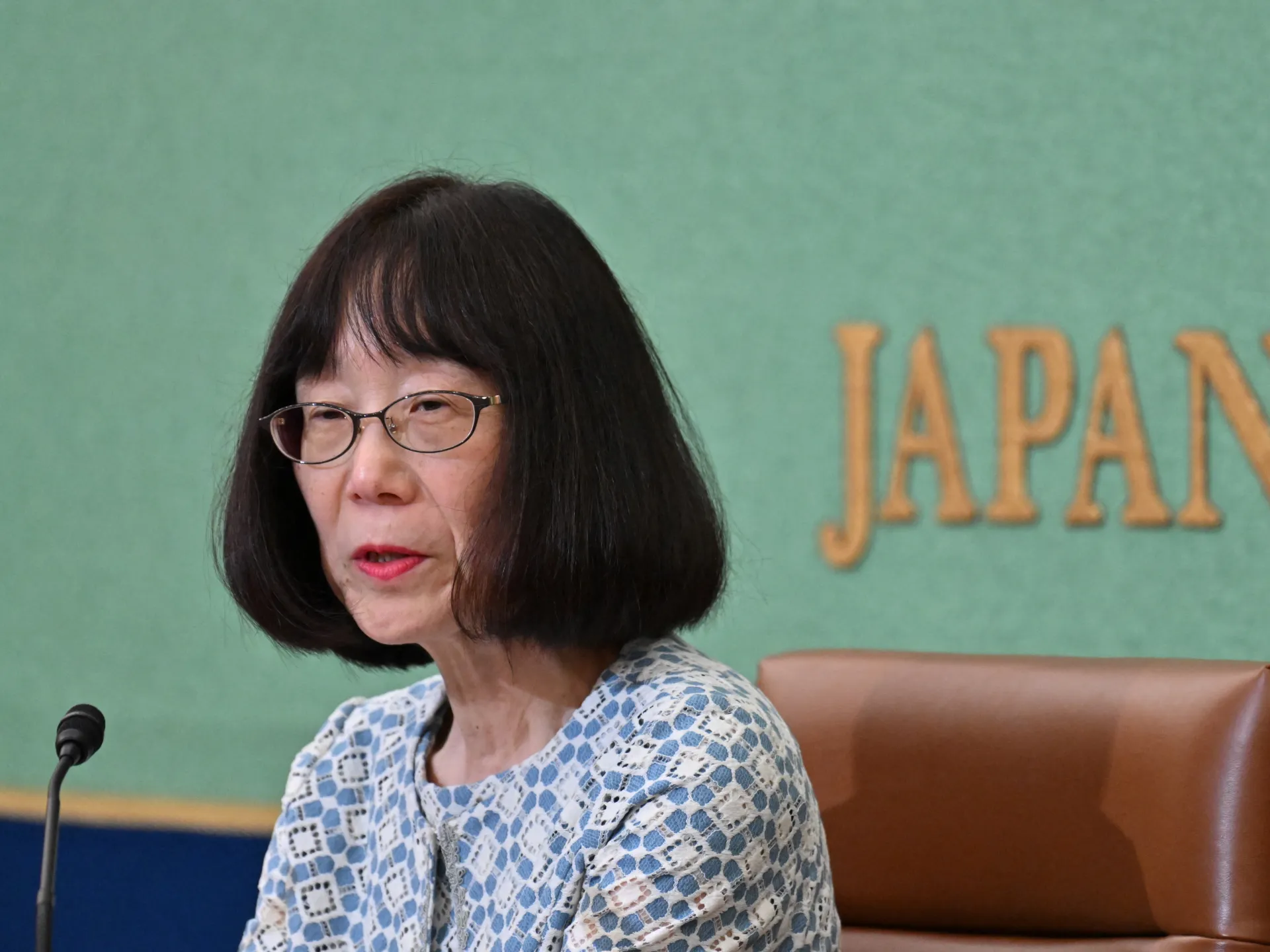
The United States has imposed sanctions on International Criminal Court (ICC) President Tomoko Akane and senior trial lawyer Abdoulaye Seye, escalating the Trump administration’s campaign against the Hague-based court.
The sanctions were announced on Tuesday, August 18, 2026, by US Secretary of State Marco Rubio. Akane, a Japanese judge who has served as ICC president since 2024, and Seye, a Senegalese national, were added to the US sanctions list.
Under the measures, any assets belonging to the two officials within US jurisdictions or the US financial system are subject to restrictions, while US individuals and entities are generally prohibited from conducting transactions with them.
Rubio accused the ICC officials of participating in efforts to investigate, arrest, detain or prosecute officials from countries that have not consented to the court’s jurisdiction.
The latest action is part of a broader confrontation between Washington and the ICC, particularly over the court’s investigations involving Israel and the United States. The ICC has issued arrest warrants for Israeli Prime Minister Benjamin Netanyahu and former Defence Minister Yoav Gallant over alleged war crimes and crimes against humanity linked to the Gaza conflict. Israel rejects the allegations.
The United States and Israel are not members of the ICC and have rejected the court’s jurisdiction in the cases involving their officials.
Also Read: ICC Struggles to Find New Prosecutor Amid Growing Pressure
Seye is part of the ICC prosecution team involved in the case concerning Netanyahu and has also been linked to investigations into Israeli settlement activity and weapons transfers in the West Bank.
The ICC strongly condemned the new sanctions, warning that targeting judicial officials for carrying out their legal duties threatens the wider international legal system.
“When judicial actors are threatened for applying the law, it is the international legal order itself that is placed at risk,” the court said.
The latest sanctions have also raised concerns among some US allies. Japan, Akane’s home country, said on August 19 that the sanctions were “very unfortunate” and reaffirmed its support for the ICC and its role in prosecuting serious international crimes.
The confrontation adds to mounting pressure on the ICC, which has faced sanctions against several officials as well as political criticism over its investigations. The court was established in 2002 to prosecute individuals accused of genocide, war crimes and crimes against humanity when national authorities are unwilling or unable to genuinely pursue such cases.
The latest US action therefore represents another major challenge to the ICC’s authority and raises fresh questions about the future of international criminal justice as the court faces increasing political and diplomatic pressure.