
 MWE Correspondent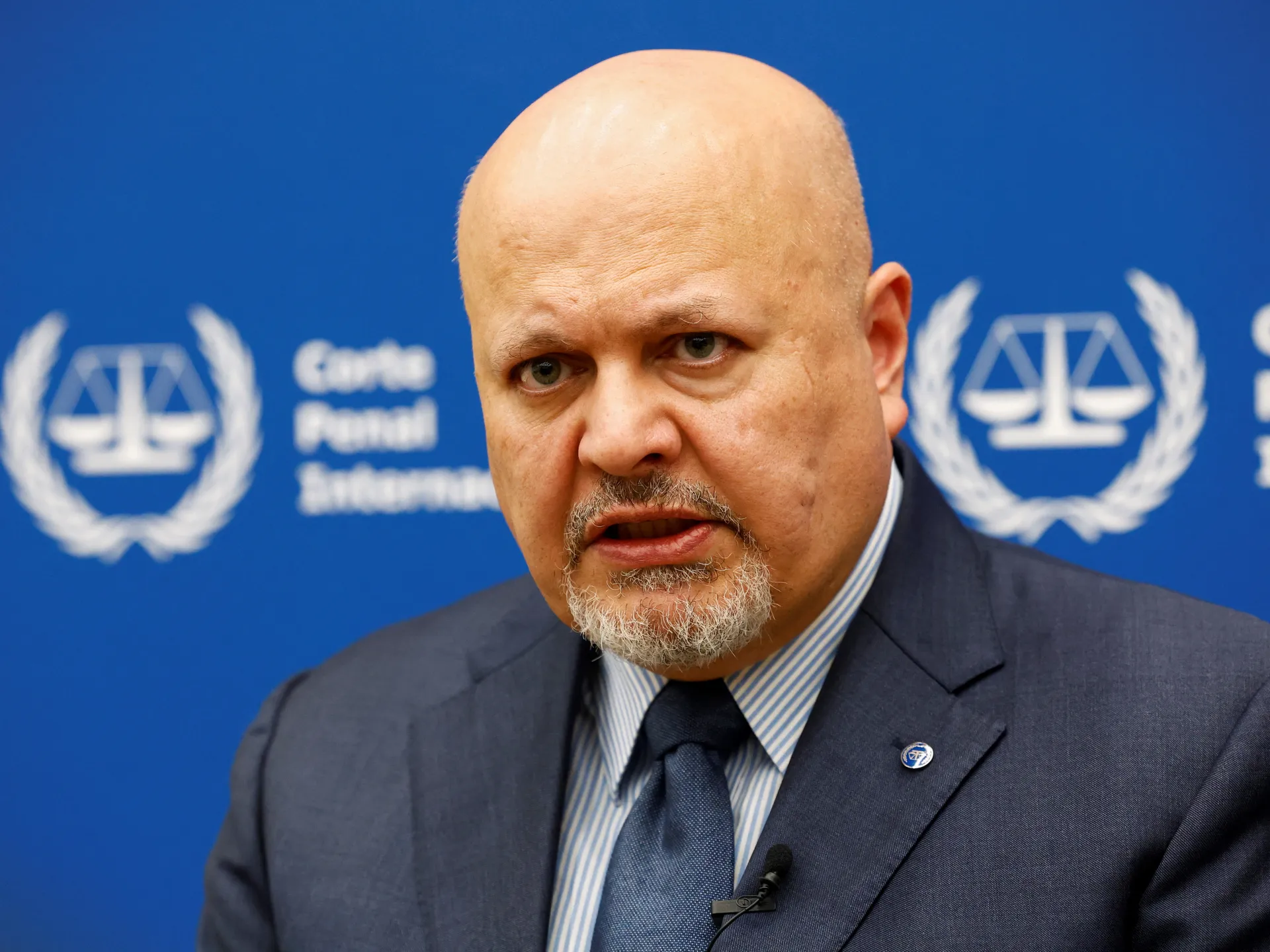
The International Criminal Court (ICC) is facing a difficult search for a new prosecutor as the institution comes under growing political pressure and questions over its future direction.
The leadership crisis follows the removal of former prosecutor Karim Khan, whose dismissal was backed by 82 of the court’s 125 member states after a disciplinary process concerning serious misconduct. Khan has denied the allegations.
The search for his successor comes at a particularly challenging time for the court, with the ICC facing pressure from the United States and growing criticism from several countries over its work and decisions.
According to Reuters, legal experts warn that attracting strong candidates could prove difficult because potential prosecutors may face the risk of U.S. sanctions. Washington has taken increasingly tough measures against the ICC over cases involving Israeli leaders and investigations concerning U.S. personnel.
Also Read: Tanzania Prisons Chief Seeks Stronger China Cooperation in Technology and Agriculture
The court is also dealing with a wave of withdrawals by African and other non-Western countries. Chad recently became the fifth country to initiate formal withdrawal procedures, following Venezuela, Burkina Faso, Mali and Niger. The governments involved have raised concerns about what they describe as bias and the political use of international justice.
The departures have added to concerns about the court’s legitimacy and its ability to maintain broad international support. Under the Rome Statute, the ICC prosecutor is elected by an absolute majority of the Assembly of States Parties and serves a nine-year term without re-election.
While the selection process for a permanent successor remains unresolved, deputy prosecutors Nazhat Shameen Khan and Mame Mandiaye Niang are overseeing the Office of the Prosecutor.
The next prosecutor will inherit a court facing complex investigations, diplomatic pressure and an increasingly difficult political environment. Supporters of the ICC argue that maintaining an independent prosecution office is essential to ensuring accountability for genocide, war crimes and crimes against humanity.
The leadership transition is therefore being closely watched as a test of whether the court can preserve its independence and credibility while navigating growing opposition from powerful states and criticism from some of its own member countries.


