MWE Correspondent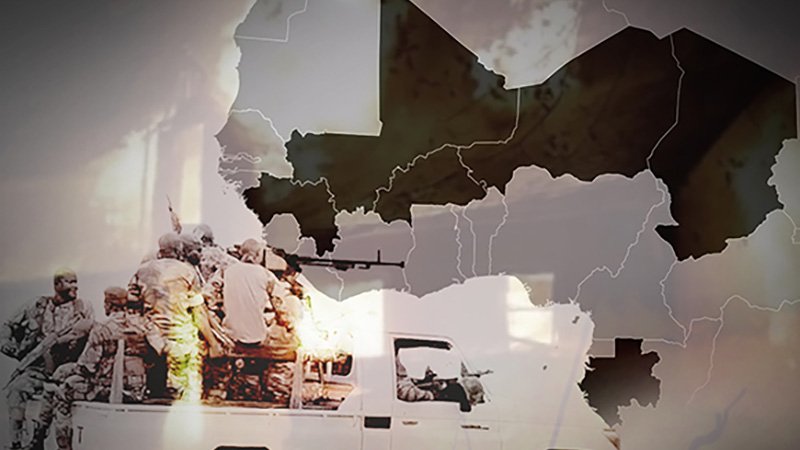
The political landscape of Africa’s Sahel region is undergoing one of its most dramatic transformations since the wave of independence that swept across the continent in the 1960s.
Military governments in Mali, Burkina Faso and Niger are not only redefining domestic politics but are also reshaping Africa’s security architecture, diplomatic alliances and geopolitical orientation. What began as a series of coups driven by public frustration over insecurity has evolved into a broader struggle over sovereignty, foreign influence and the future of regional cooperation.
For more than a decade, the Sahel has remained one of the world’s most volatile regions. Armed groups affiliated with extremist organizations have expanded their operations across vast territories, launching attacks against civilians, military installations and critical infrastructure. Despite years of international military assistance, millions of people continue to face displacement, food insecurity and humanitarian crises.
The inability of successive civilian governments to contain the violence created widespread public dissatisfaction. Citizens increasingly questioned whether traditional security partnerships with Western nations had delivered the promised stability. This growing frustration paved the way for military interventions in politics, with soldiers presenting themselves as leaders capable of restoring order and reclaiming national sovereignty.
Mali became the first major turning point when the military seized power, citing the government’s failure to defeat insurgent groups and address worsening security conditions. Burkina Faso soon experienced a similar political transition after repeated attacks exposed weaknesses within the country’s security institutions. Niger followed, shocking regional and international observers because it had previously been viewed as one of the West’s closest security partners in the Sahel.
The coups immediately triggered diplomatic tensions across Africa and beyond. Regional organizations condemned the military takeovers, insisting that constitutional governance remained essential for long-term stability. Economic sanctions, diplomatic suspensions and political pressure were introduced in an effort to encourage a return to civilian rule.
However, the military governments adopted a different course. Rather than yielding to external pressure, they strengthened cooperation among themselves, eventually creating the Alliance of Sahel States (AES). The alliance marked a historic shift in regional security cooperation, emphasizing collective defense, intelligence sharing and joint military operations against extremist groups.
Also Read, Russia Strikes Ukraine’s Power Plant Amid Winter
One of the alliance’s most consequential decisions was distancing itself from long-standing Western security partnerships. French military forces, which had maintained a significant presence in the region for years, withdrew from several countries following deteriorating diplomatic relations. Military authorities argued that previous foreign interventions had failed to eliminate terrorism and had undermined national sovereignty.
The geopolitical vacuum created by these withdrawals attracted new international partners. Russia expanded its engagement with Sahel governments through security cooperation, military training and defense agreements. Other emerging powers also increased diplomatic outreach, reflecting the region’s growing strategic importance in global geopolitics.
At the same time, the Economic Community of West African States (ECOWAS) faced one of the greatest challenges in its history. Once regarded as one of Africa’s strongest regional organizations, ECOWAS struggled to maintain unity as disagreements emerged over sanctions, negotiations and possible military intervention. The eventual withdrawal of Mali, Burkina Faso and Niger represented a major setback for regional integration and raised questions about the future effectiveness of West Africa’s collective institutions.
Beyond security, the Sahel’s political transformation carries significant economic implications. The region possesses considerable reserves of gold, uranium and other strategic minerals increasingly sought after by global industries. Niger remains one of the world’s important uranium producers, supplying fuel essential for nuclear energy generation. Mali is among Africa’s leading gold exporters, while Burkina Faso continues to expand its mining sector despite persistent insecurity.
These natural resources have intensified international interest in the region. Major global powers recognize that access to strategic minerals has become increasingly linked to energy security, advanced manufacturing and technological competitiveness. Consequently, diplomatic engagement with Sahel governments now extends beyond counterterrorism to include investment, mining and infrastructure development.
African leaders are closely monitoring these developments because they highlight broader debates surrounding sovereignty and foreign partnerships. Several governments argue that African nations should diversify international relationships rather than depending heavily on a single external partner. Others caution that replacing one foreign influence with another does not necessarily address underlying governance and development challenges.
For Tanzania and the wider East African Community, the evolving situation offers valuable lessons. Strengthening professional security institutions, promoting inclusive governance, investing in youth employment and enhancing regional intelligence cooperation remain essential in preventing instability from spreading across borders. The experience of the Sahel also demonstrates that sustainable peace requires balancing military responses with economic development, education and social inclusion.
Security analysts believe the future of the Sahel will depend on whether military governments can translate promises of stability into measurable improvements in governance, economic opportunity and public safety. Success would strengthen arguments favoring sovereign security strategies, while failure could deepen humanitarian crises and prolong regional instability.
The Sahel is therefore no longer merely a regional security concern. It has become a testing ground for competing visions of governance, international partnerships and African sovereignty. The decisions made by governments in Bamako, Ouagadougou and Niamey will influence not only the future of West Africa but also the broader trajectory of geopolitics across the African continent for many years to come.