MWE Correspondent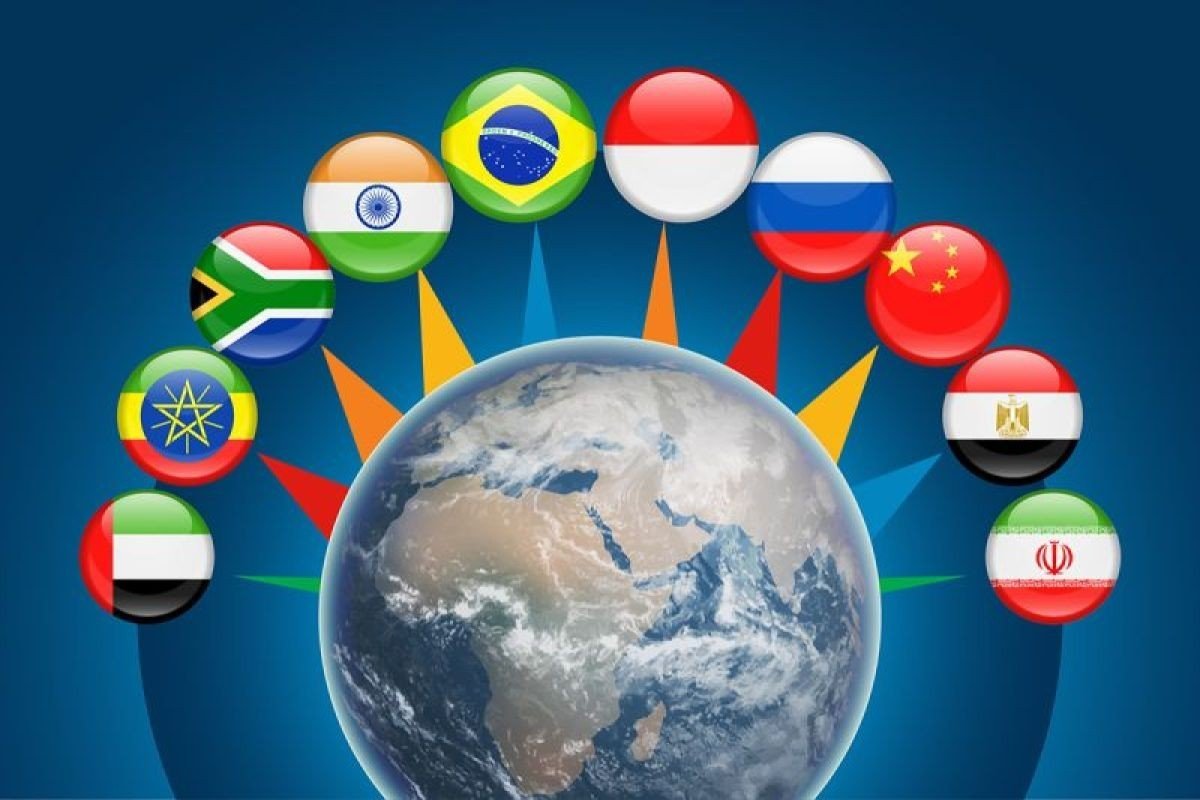
The rapid expansion of BRICS is emerging as one of the defining geopolitical developments of the 21st century, reshaping the balance of global power and challenging institutions that have dominated international politics and finance since the end of the Second World War.
Once regarded as an economic forum comprising Brazil, Russia, India, China, and South Africa, BRICS has transformed into an increasingly influential geopolitical bloc seeking to amplify the voices of the Global South and reduce dependence on Western-led financial systems.
The organization’s growth reflects a broader dissatisfaction among many developing nations with what they perceive as an unequal international order. Governments across Africa, Asia, the Middle East, and Latin America argue that institutions such as the International Monetary Fund (IMF) and the World Bank continue to reflect the political realities of the mid-20th century rather than today’s multipolar world. Many countries contend that decision-making power remains concentrated among a handful of advanced economies despite significant shifts in global economic output.
The expansion of BRICS has therefore become more than a diplomatic milestone. It represents an effort by emerging economies to establish alternative mechanisms for international cooperation, trade, investment, and development finance. The inclusion of new members from the Middle East and Africa has significantly increased the bloc’s economic and strategic weight, giving it greater influence over global energy markets, food security, critical minerals, and international trade routes.
Collectively, BRICS countries now account for a substantial share of the world’s population, global GDP measured by purchasing power parity, agricultural production, and energy reserves. The bloc includes several of the world’s fastest-growing economies alongside major producers of oil, natural gas, rare earth minerals, strategic metals, and agricultural commodities. This combination provides BRICS with increasing leverage in discussions surrounding climate policy, industrial development, and global supply chains.
A central objective of the bloc is reducing reliance on the U.S. dollar in international trade. Although the dollar remains the world’s dominant reserve currency, BRICS members have accelerated efforts to conduct bilateral trade using their national currencies. These initiatives are intended to lower transaction costs, reduce exposure to exchange-rate volatility, and minimize the impact of unilateral financial sanctions imposed through dollar-based payment systems.
Also Read, Russia Strikes Ukraine’s Power Plant Amid Winter
The New Development Bank, established by BRICS in 2015, has become one of the bloc’s most important institutions. The bank finances infrastructure, renewable energy, transport, water management, and sustainable development projects across member states and other developing economies. By providing an alternative source of development financing, BRICS hopes to give emerging economies greater flexibility in pursuing national development priorities.
Africa has become increasingly central to BRICS’ long-term vision. The continent possesses abundant reserves of critical minerals essential for electric vehicles, renewable energy technologies, semiconductors, and advanced manufacturing. As global competition intensifies over access to lithium, cobalt, graphite, manganese, copper, and rare earth elements, African countries are attracting growing attention from both BRICS members and Western powers.
Tanzania occupies a strategically important position within this changing landscape. The country’s investments in the Standard Gauge Railway, the Port of Dar es Salaam, hydropower generation, and mineral processing align with broader efforts to strengthen regional integration and industrialization. Tanzania’s rich deposits of graphite, nickel, gold, helium, and rare earth minerals place it among African nations expected to play a larger role in future global supply chains.
China continues to view BRICS as a platform for strengthening South-South cooperation while promoting infrastructure investment through initiatives such as the Belt and Road Initiative. Russia sees the bloc as an opportunity to deepen economic partnerships beyond Europe, particularly as Western sanctions continue to reshape global trade patterns. India has emphasized that BRICS should remain an inclusive platform focused on economic development rather than military alliances, while Brazil and South Africa continue advocating for reforms to international governance institutions.
Despite its growing influence, BRICS also faces significant internal challenges. Member states possess different political systems, strategic interests, and foreign policy priorities. Border disputes, trade competition, and varying approaches to international conflicts occasionally complicate efforts to present a unified position. Analysts argue that maintaining cohesion while expanding membership will remain one of the bloc’s greatest tests.
Western governments have closely monitored BRICS’ evolution, acknowledging its growing economic importance while questioning whether the organization can develop sufficiently integrated institutions to rival existing global structures. Some observers believe BRICS will complement rather than replace the current international system, while others argue it represents the foundation of an emerging multipolar order in which power is distributed more evenly across multiple regional centers.
What is increasingly evident is that global diplomacy is entering a period of profound transformation. Countries are no longer relying exclusively on traditional Western alliances to advance their national interests. Instead, many are diversifying their diplomatic and economic partnerships, seeking greater strategic autonomy in an era marked by geopolitical competition, technological rivalry, and shifting economic influence.
As BRICS continues to expand its membership and deepen cooperation in finance, trade, infrastructure, and development, the bloc’s future decisions will increasingly shape international economic governance. Whether it succeeds in building durable alternatives to existing institutions or simply accelerates reforms within the current system, BRICS has already become one of the most consequential forces driving the transition toward a more multipolar world order.