MWE Correspondent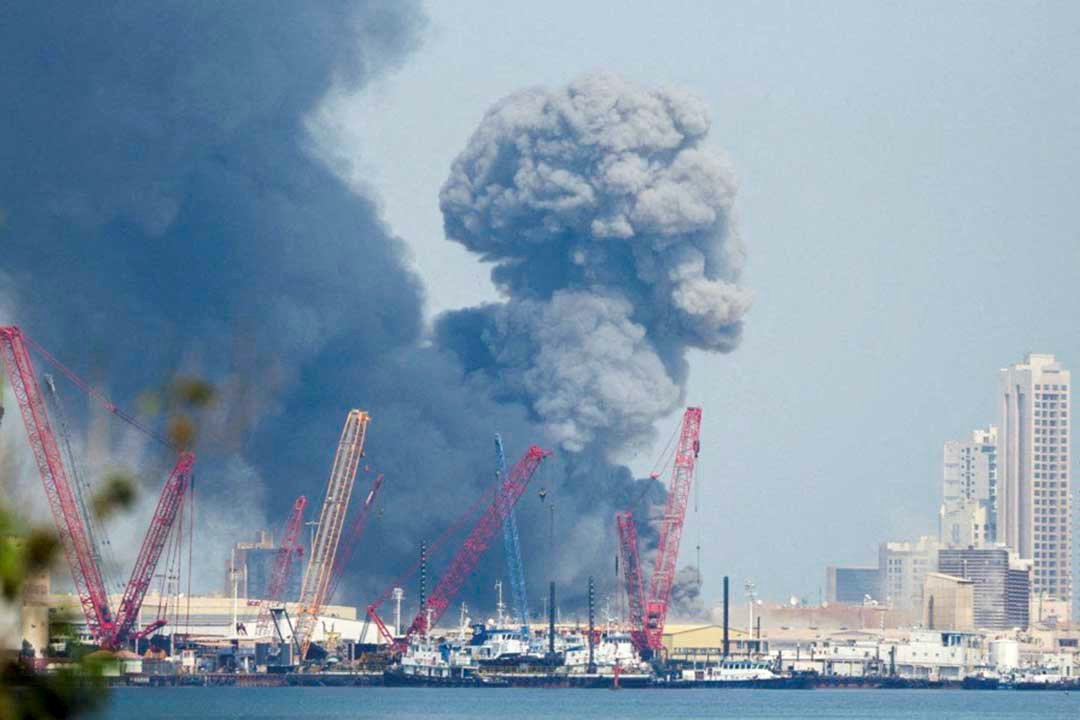
Concerns over renewed instability in the Middle East are growing as regional powers and international actors intensify diplomatic efforts to prevent further escalation of conflicts that have already affected security, energy markets and global political relations.
The latest developments have placed the region once again at the center of international attention, with governments warning that continued tensions could create wider consequences beyond the Middle East.
For months, diplomatic channels have remained active as countries attempt to address ongoing disputes involving security concerns, territorial disagreements and competing regional interests. International mediators have continued pushing for dialogue, arguing that political solutions remain the most effective way to prevent prolonged instability and protect civilian populations affected by conflicts.
The situation has been closely monitored by major global powers, including the United States, China, Russia and European nations, all of which have strategic interests in the region. The Middle East remains one of the world’s most important geopolitical areas because of its energy resources, major trade routes and influence on global economic stability.
Energy markets have been particularly sensitive to developments in the region. Any disruption involving major oil-producing countries or important shipping routes could affect global fuel prices and increase economic pressure on countries already dealing with inflation challenges. Analysts say markets often react quickly to signs of instability because the Middle East plays a central role in global energy supply chains.
Diplomatic efforts have focused on reducing tensions through negotiations and communication between governments. Several countries have encouraged direct engagement between rival parties, arguing that continued confrontation risks creating a cycle of instability that could be difficult to control. Regional organizations have also called for stronger cooperation among Middle Eastern countries to address shared challenges.
The humanitarian impact of conflicts in the region remains a major concern. International agencies have repeatedly highlighted the need for increased humanitarian assistance, protection of civilians and access to essential services in areas affected by violence. Aid organizations have warned that prolonged instability can worsen displacement, economic hardship and social challenges.
Meanwhile, governments across the region continue strengthening their security strategies while also pursuing economic development programmes. Countries such as Saudi Arabia, the United Arab Emirates and Qatar have invested heavily in diversifying their economies beyond traditional energy sectors, focusing on technology, tourism, infrastructure and renewable energy.
However, analysts say regional stability remains essential for these economic ambitions. Continued uncertainty could affect investor confidence and slow development projects designed to transform economies and create employment opportunities for growing populations.
Also Read. Global Powers Battle For Africa’s Critical Minerals
The role of international diplomacy has become increasingly important as global competition influences relations in the Middle East. While countries often cooperate on trade and security issues, disagreements over foreign policy approaches continue shaping alliances and partnerships. Experts believe maintaining communication between major powers is necessary to prevent regional disputes from developing into broader confrontations.
Beyond immediate security concerns, the future of the Middle East is also linked to wider global challenges, including climate change, water shortages, food security and economic inequality. Governments in the region are under pressure to address these issues while managing complex political environments.
As diplomatic efforts continue, the coming period will test the ability of regional and international leaders to find common ground. The Middle East remains a region of enormous economic and strategic importance, but its future stability will depend on whether competing interests can be balanced through negotiation, cooperation and responsible leadership.
For the global community, developments in the region serve as a reminder that peace and stability in the Middle East are not only regional concerns but issues with worldwide implications. The decisions made by leaders today could shape international security, energy markets and diplomatic relations for years to come.