MWE Correspondent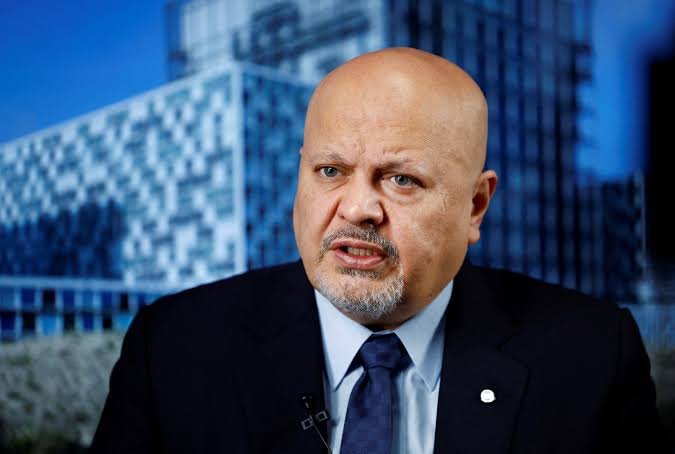
For years, Karim Khan stood before the world demanding accountability from presidents, generals and warlords accused of the gravest crimes known to humanity. This week, the man who championed justice on the global stage became the subject of accountability himself.
In a vote that will be remembered as one of the most consequential in the history of the International Criminal Court, 82 of the court’s 125 member states voted to dismiss Khan after an investigation found he had committed serious professional misconduct linked to allegations involving a junior ICC lawyer.
The decision marks an extraordinary fall for one of international law’s most recognizable figures and thrusts the world’s highest criminal court into an institutional crisis at a time when its authority is already being fiercely contested.
Khan has repeatedly denied the allegations.
Through his lawyer, Tayab Ali, he insisted he had “no sexual relationship of any kind” with the junior lawyer and vowed to challenge the decision through all available legal channels.
The complainant, who spoke publicly for the first time last week, alleged that the relationship was non-consensual, bringing months of speculation into the open and placing immense pressure on ICC member states to act.
The vote ends Khan’s tenure but opens a far more difficult chapter for the court itself.
For victims of war crimes, genocide and crimes against humanity around the world, the ICC represents more than a courtroom in The Hague. It is often the last institution capable of pursuing justice when national systems fail. That is why the crisis surrounding its own leadership carries consequences far beyond the walls of the court.
The scandal arrives as the ICC faces some of the most politically sensitive cases in its history. Investigations linked to conflicts in regions including Ukraine, Gaza and Sudan have drawn unprecedented global attention, while arrest warrants issued against prominent political leaders have triggered diplomatic disputes and sharp criticism from major powers, particularly the United States.
Also Read, Hormuz Crisis Sends Global Oil Prices Higher
Supporters argue that these controversies demonstrate the court’s willingness to apply international law without fear or favour. Critics contend that the ICC has become increasingly entangled in geopolitical battles that threaten its neutrality.
Now, the institution faces another challenge—proving that the standards it demands from the world also apply within its own ranks.
Diplomats expect the search for a new prosecutor to take several months, with no permanent replacement anticipated before next year. Until then, senior officials will be expected to keep the court’s investigations moving while restoring confidence among member states, victims and the wider international community.
For legal observers, Khan’s dismissal is more than the removal of a senior official. It is a defining test of whether the world’s highest criminal tribunal can preserve its moral authority while confronting allegations within its own leadership.
As the ICC begins the search for a new prosecutor, the message from member states is unmistakable: no institution charged with delivering international justice can afford to place itself above the standards it was created to uphold.