MWE Correspondent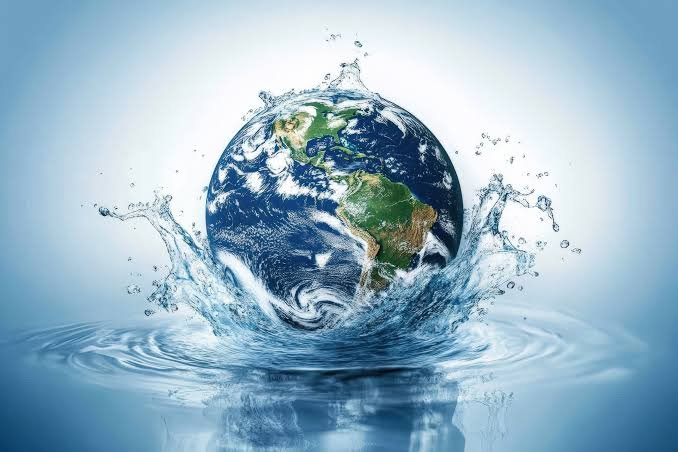
For generations, water has been viewed as a basic necessity of life. Today, it is increasingly being treated as one of the most important strategic resources of the modern era.
From Africa’s major river basins to Asia’s rapidly growing cities, governments are facing a new reality: controlling, protecting and managing freshwater supplies is becoming a central part of national security.
The competition over water is not driven only by scarcity.
It is also about economic development, food production, energy security and political influence.
Throughout 2026, concerns over water access have continued to grow as countries face increasing pressure from climate change, prolonged droughts, changing rainfall patterns and rising demand from expanding populations.
The result is a new form of geopolitical competition.
Nations are increasingly recognising that water resources can influence agricultural production, industrial growth and regional stability.
This has placed Water Security at the centre of international policy discussions.
Water security refers to the ability of societies to access sufficient, safe and reliable water supplies while protecting ecosystems and managing future risks.
For many countries, achieving water security has become as important as securing energy supplies or protecting critical infrastructure.
Also Read, The ICC And The Global Struggle For Justice
Africa is at the centre of this emerging challenge.
The continent possesses some of the world’s largest freshwater systems, including major rivers such as the Nile, Congo and Niger. These waterways support millions of people, agriculture, transportation and energy production.
However, unequal distribution of water resources, climate pressures and rapid population growth have increased tensions surrounding access and management.
The Nile Basin remains one of the most closely watched examples of water diplomacy.
Countries sharing the river must balance competing priorities including agriculture, electricity generation and economic development. Negotiations over water usage demonstrate how natural resources can influence relationships between neighbouring states.
Similar challenges are emerging in other regions.
Across the world, rivers and underground water systems increasingly cross national borders, requiring cooperation between governments that may have different economic and political interests.
This has made Resource Diplomacy an essential tool in preventing disputes and encouraging sustainable management.
Water is also directly connected to food security.
Agriculture remains one of the largest users of freshwater globally, meaning changes in water availability can affect food production, prices and international trade.
Countries that can effectively manage water resources will have stronger advantages in maintaining agricultural stability and economic resilience.
Technology is becoming part of the solution.
Governments and companies are investing in water recycling, efficient irrigation systems, desalination technology and improved infrastructure to reduce waste and increase supply.
However, technology alone cannot solve the challenge.
Effective governance, regional cooperation and responsible resource management remain essential.
For Africa, water challenges also represent economic opportunities.
With investment in irrigation, renewable energy, water infrastructure and agricultural technology, countries can transform water management into a foundation for economic growth.
But achieving this requires long-term planning and cooperation.
The global water challenge is also attracting attention from investors and international organisations, as governments seek solutions to protect communities and industries from future shortages.
Yet experts warn that water must not become another resource where developing countries provide raw value while receiving limited long-term benefits.
The future of water governance will depend on balancing national interests with shared responsibility.
Unlike oil or minerals, water cannot simply be replaced.
Every economy, every community and every industry depends on it.
As climate pressures increase, the countries that manage water effectively will gain a significant strategic advantage.
The next major resource competition may not be fought over fuel or minerals.
It may be fought over the most essential resource on Earth.
Water.