MWE Correspondent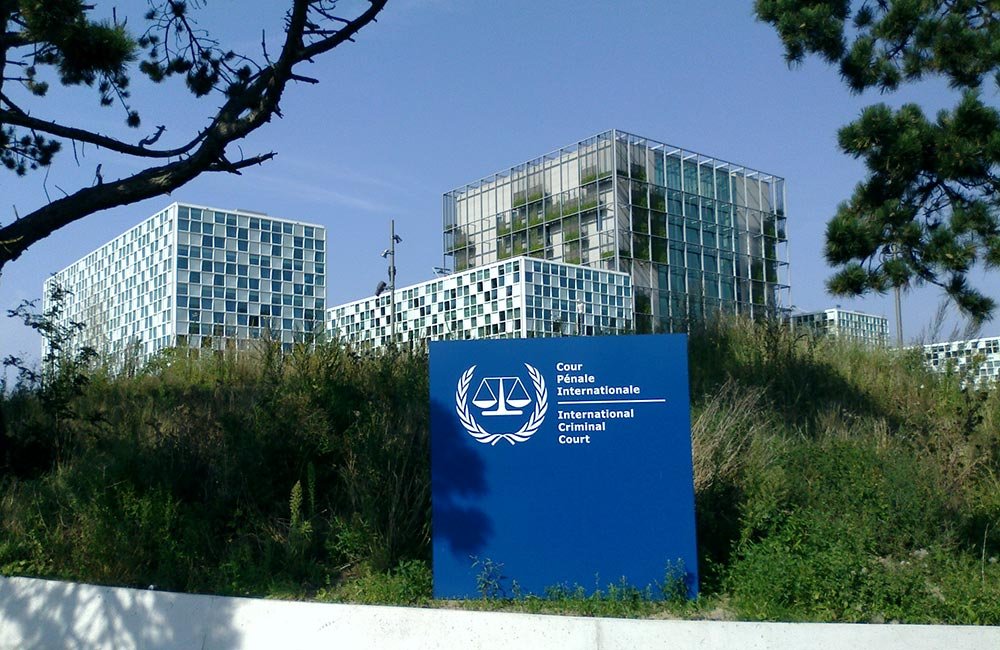
The International Criminal Court, created to prosecute the world’s gravest crimes, now finds itself confronting one of the most serious crises in its history.
At the center of the storm is Chief Prosecutor Karim Khan, whose suspension amid allegations of sexual misconduct has triggered a political and institutional battle that threatens to reshape the future of the world’s leading war-crimes tribunal. While Khan strongly denies the allegations against him, the controversy has exposed deep divisions among member states and raised difficult questions about the credibility of an institution tasked with delivering justice on a global scale.
For more than two decades, the International Criminal Court has stood as the world’s permanent court for prosecuting genocide, crimes against humanity, war crimes, and aggression. Established under the Rome Statute, the court was designed to ensure that powerful leaders could not escape accountability simply because national systems failed to act. Yet today, the institution itself faces a test of legitimacy.
The crisis arrives at a particularly sensitive moment.
Over the past several years, the court has become increasingly involved in some of the world’s most politically charged conflicts. Investigations and arrest warrants linked to the wars in Ukraine, Gaza, Libya, and other conflict zones have placed the ICC at the center of global diplomacy. Its actions have earned praise from human rights advocates while simultaneously drawing criticism from powerful governments that accuse the court of overreach.
Also Read: Washington And Tehran Reach Historic Peace Breakthrough
Now, attention has shifted from the court’s investigations to its own internal struggles.
The suspension of Khan followed a lengthy process involving investigations, legal reviews, and intense debate among member states. Supporters argue that the court must demonstrate that no individual is above scrutiny, regardless of rank. Others fear that the leadership turmoil could weaken ongoing investigations and undermine confidence in the institution during a period of rising international instability.
The stakes extend far beyond one individual.
The court already faces growing geopolitical pressure. Several governments have openly challenged its authority, while others continue to defend its role as a cornerstone of international justice. Recent decisions by countries such as Hungary to reaffirm support for the ICC illustrate the broader struggle over the court’s future relevance and independence.
For victims of war crimes and atrocities, the uncertainty is particularly troubling.
Across conflict zones, survivors often wait years for investigations to advance. Many see the ICC as a last resort when domestic justice systems fail. Any disruption to the court’s work risks delaying accountability for some of the world’s most serious alleged crimes. Human rights organizations have repeatedly warned that institutional instability could weaken efforts to pursue justice in active conflict regions.
The coming months are expected to be decisive. Member states must determine not only the future of Khan but also how the institution can maintain public trust while navigating growing political pressure from competing global powers.
The outcome may shape more than the future of one prosecutor. It could determine whether the International Criminal Court emerges stronger from crisis or enters a period of prolonged uncertainty at a time when demands for international accountability have never been greater.
For an institution founded on the principle that justice should stand above politics, the challenge ahead may be its greatest test yet.