MWE Correspondent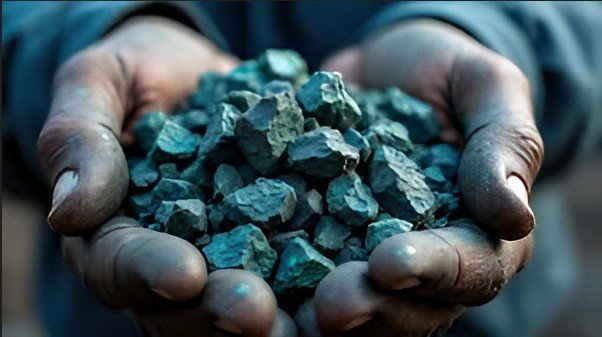
A new chapter is unfolding across Africa’s vast mineral belt, and this time the continent is determined to write more of the story itself.
From the copper fields of Zambia and the cobalt-rich provinces of the Democratic Republic of Congo to graphite projects in Mozambique and emerging lithium developments across Southern Africa, governments are taking unprecedented steps to increase control over strategic resources that have become essential to the global economy. Demand for critical minerals continues to surge as nations race to build electric vehicles, artificial intelligence infrastructure, advanced electronics, and renewable energy systems.
The competition is fierce.
The United States and its allies are expanding initiatives aimed at securing reliable supplies of critical minerals, viewing them as essential for economic growth, industrial competitiveness, and national security. Washington has also encouraged international financial institutions to support mining and processing projects that diversify supply chains.
China, meanwhile, remains deeply entrenched across African mining sectors through decades of investment, infrastructure development, and processing expertise. As global demand accelerates, the rivalry between major powers is transforming Africa into one of the most strategically important regions of the 21st century.
Yet the most important story may not be the competition itself.
It is Africa’s growing determination to move beyond being merely a supplier of raw materials.
In April, the Democratic Republic of Congo established a strategic reserve for cobalt and other critical minerals, giving the state greater influence over supply management and pricing. The move signaled a broader shift toward resource sovereignty and stronger national control over strategic assets.
Mozambique has followed a similar path. New legislation requires state participation in mining projects and places stronger emphasis on local processing before export. The objective is clear: capture more economic value at home rather than exporting wealth abroad in raw form.
South Africa is also moving to strengthen local industrial participation by expanding incentives linked to battery-mineral production, reflecting a wider continental effort to develop downstream industries instead of relying solely on extraction revenues.
These developments represent a significant departure from historical patterns often associated with Resource Extraction and Neocolonialism, where raw materials left Africa while most manufacturing, technology development, and profits were generated elsewhere.
Experts increasingly argue that the next stage of African development will depend not simply on mining minerals, but on controlling the broader value chain. Studies indicate that local processing, refining, manufacturing, and regional cooperation could generate millions of jobs and significantly increase economic returns retained within African economies.
However, challenges remain substantial.
Environmental concerns continue to grow as mining expands. Researchers and international organizations warn that poorly managed extraction can lead to pollution, water shortages, ecological damage, and social disruption for local communities. Ensuring that economic gains do not come at the expense of environmental sustainability remains one of the continent’s most pressing policy challenges.
The emergence of the African Continental Free Trade Area offers a potential solution. By connecting markets, harmonizing regulations, and encouraging regional industrial hubs, African countries may be able to build integrated supply chains capable of competing globally.
For decades, foreign powers largely dictated the terms of Africa’s resource story. In 2026, that balance is beginning to change.
The real contest is no longer about who owns the minerals beneath African soil. It is about who controls the industries, technologies, and prosperity built upon them. The governments that answer that question successfully may define Africa’s economic future for generations.