MWE Correspondent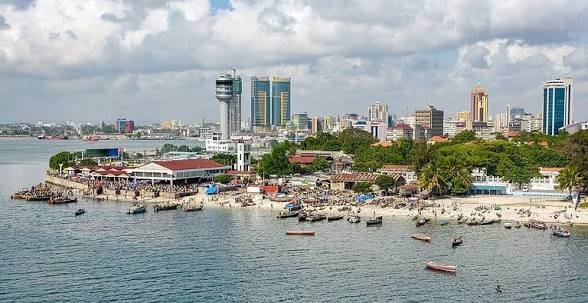
Tanzania is rapidly strengthening its position as one of Africa’s most attractive destinations for investment, with the 2026/27 National Budget unveiling a series of reforms designed to attract capital, stimulate industrial growth and create employment opportunities across the country.
The budget presents a clear message to both domestic and international investors: Tanzania is open for business and ready to compete on the global stage. Through policy reforms, infrastructure expansion and strategic investments, the Government aims to accelerate economic transformation while building a stronger and more competitive private sector.
Over recent years, the country’s investment climate has improved significantly. Government reforms have led to the review of dozens of laws and the reduction or abolition of hundreds of fees and levies that previously increased the cost of doing business. These efforts have contributed to rising investor confidence and increased economic activity.
One of the strongest indicators of this progress is the remarkable growth in foreign direct investment. According to the budget, foreign investment inflows increased from USD 14.1 billion in 2018 to USD 21.7 billion in 2024, reflecting growing confidence in Tanzania’s economic stability and future potential.
The Government is now seeking to build on this momentum through a second phase of regulatory reforms aimed at further simplifying procedures, reducing costs and improving the overall business environment. These measures are expected to make it easier for investors to establish businesses, expand operations and create jobs.
A key highlight of the budget is the proposed establishment of the Dar es Salaam International Financial Centre (DIFC), an initiative expected to position Tanzania as a regional financial hub. The centre is intended to attract foreign capital, strengthen financial markets and provide new opportunities for investment across multiple sectors of the economy.
The budget also outlines efforts to improve access to finance for entrepreneurs and exporters. Government plans to establish an independent credit guarantee corporation will help businesses secure loans and expand operations, particularly those producing goods for export markets.
Meanwhile, major infrastructure investments continue to create a strong foundation for growth. Strategic projects such as the Standard Gauge Railway, TAZARA revitalisation programme and industrial development initiatives are expected to improve connectivity, lower business costs and attract further private investment.
The Government is also encouraging greater collaboration with international financial institutions and development partners to mobilise expertise, technology and investment capital needed to accelerate national development.
Beyond statistics and policy reforms lies a broader national ambition. Tanzania is positioning itself not simply as a destination for investment, but as a centre for innovation, production and regional trade. By combining political stability, strategic geographic location and ambitious economic reforms, the country is creating conditions that can support sustained growth for decades to come.
As the first budget to be implemented under the vision of Dira 2050, the 2026/27 financial plan signals a new chapter in Tanzania’s development journey one in which investment serves as a catalyst for industrialisation, job creation and shared prosperity.