MWE Correspondent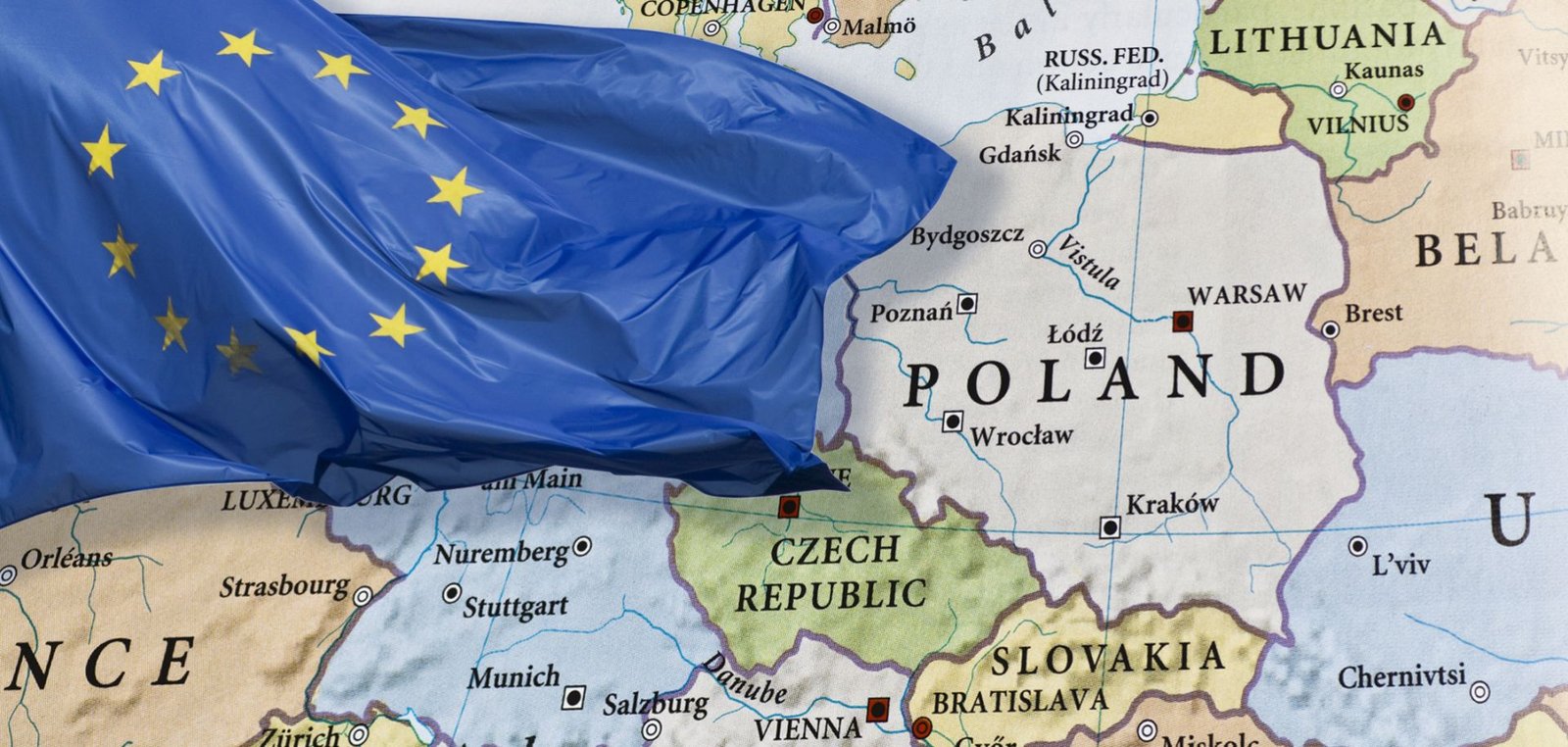
Developments in Eastern Europe continue influencing international diplomacy, energy markets, defense planning, and global economic stability as governments across the world closely monitor the evolving relationship between Russia and Ukraine .
What began as a regional security crisis has become one of the most consequential geopolitical issues of the modern era.
This is not merely a regional dispute.
It is a global strategic challenge.
The conflict has reshaped diplomatic priorities, altered security calculations, and accelerated changes in international political alignments. Governments continue balancing support for national interests with efforts to maintain broader international stability.
The situation remains closely connected to geopolitics.
Geopolitics examines how geography, economic interests, military capabilities, and political influence interact to shape international relations. Few events in recent years have demonstrated these dynamics more clearly than the developments in Eastern Europe.
Energy security remains one of the most significant concerns.
Changes in energy flows, supply-chain adjustments, and market uncertainty have encouraged many countries to diversify energy sources and strengthen domestic resilience. These developments have influenced both industrial planning and long-term economic strategies across multiple regions.
This highlights the importance of energy security.
Reliable access to energy remains essential for economic growth, industrial productivity, and national stability, making it a central consideration within modern geopolitical decision-making.
Diplomatic engagement continues alongside strategic competition.
Governments and international organizations remain involved in dialogue aimed at reducing risks, preventing escalation, and preserving communication channels. Even during periods of tension, diplomacy remains a critical mechanism for managing uncertainty.
This aligns with the principles of conflict management.
Conflict management focuses on reducing escalation risks, maintaining communication, and creating conditions that may eventually support longer-term stability.
The economic implications remain substantial.
Commodity markets, agricultural exports, transportation networks, and international investment flows continue responding to developments in the region. Financial institutions and businesses worldwide are incorporating geopolitical risk assessments into long-term planning.
At the same time, defense spending has increased across several regions as governments reassess security priorities and strategic preparedness.
The broader consequences extend far beyond Europe.
The situation continues influencing discussions on international law, global governance, defense cooperation, and the future structure of international relations.
Despite ongoing challenges, diplomatic channels remain active.
Many governments continue emphasizing the importance of dialogue, stability, and practical solutions capable of reducing uncertainty while protecting national interests.
The broader message is becoming increasingly clear.
Eastern Europe remains a defining geopolitical arena.
Its developments continue shaping global strategic calculations.
And the decisions made today are likely to influence international politics, economics, and security for years to come.