MWE Correspondent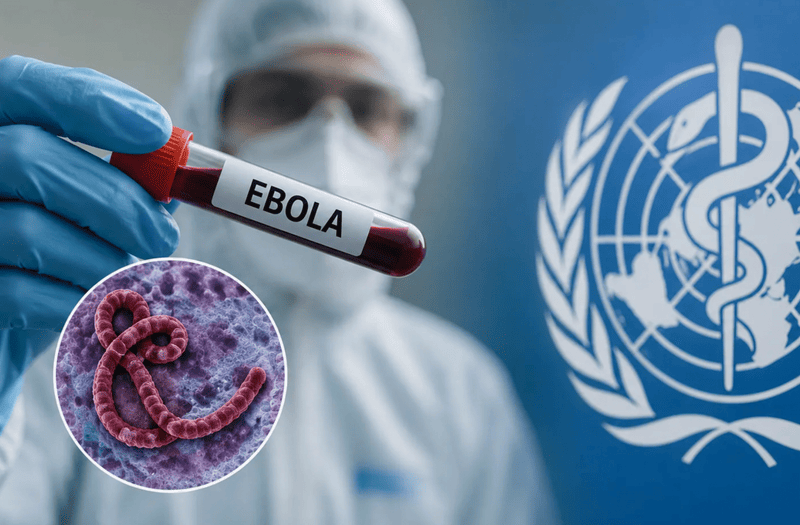
Kenya is facing mounting political and public unrest after the government defended a controversial agreement with the United States to establish an Ebola treatment and quarantine facility in Laikipia, a plan that has triggered protests, legal battles, and growing fears over national health security.
The dispute intensified after Kenya’s Health Minister Aden Duale publicly insisted that the project would move forward despite widespread opposition from citizens, lawmakers, activists, and opposition leaders who accuse the government of ignoring public concerns and violating transparency procedures.
Speaking before Parliament, Duale defended the partnership with Washington, arguing that the facility is part of broader regional preparedness efforts against potential Ebola outbreaks linked to neighboring Central African countries, particularly the Democratic Republic of Congo.
However, the government’s position has done little to calm rising tensions across the country.
This week, demonstrations erupted in parts of Kenya as protesters condemned the proposed facility, with clashes during the unrest reportedly leaving at least two people dead. The protests reflected growing anger among sections of the public who fear Kenya could become a regional holding centre for dangerous infectious diseases linked to foreign interests.
The controversy has further intensified following reports that American medical personnel and aircraft have continued arriving in Kenya amid preparations connected to the project, fueling speculation and political criticism surrounding the agreement.
Also Read:Congo Ebola Survivor Emerges Amid Deadly New Outbreak
Opposition politicians and civil society groups have accused the government of failing to adequately consult citizens before approving the initiative, while critics argue that the presence of a foreign-backed Ebola facility could expose local communities to heightened biological risks.
The backlash has now expanded into a legal confrontation after a Kenyan court issued a temporary injunction halting aspects of the project pending further judicial review.
The case has rapidly evolved beyond a public health debate into a broader political crisis touching on national sovereignty, foreign influence, public trust, and the role of international partnerships in Africa’s healthcare systems.
For the United States, the project appears linked to broader regional epidemic preparedness strategies as global health authorities remain concerned about recurring Ebola outbreaks in Central and East Africa.
Washington has increasingly strengthened health-security partnerships across Africa in recent years, particularly following lessons learned from past global disease emergencies and cross-border outbreaks.
But in Kenya, critics say the issue has exposed deep public sensitivities surrounding foreign intervention, government transparency, and fears that African nations are sometimes treated as frontline containment zones for international health threats.
Analysts warn that the growing controversy could place additional political pressure on President William Ruto’s administration, especially as economic frustrations and public distrust continue shaping Kenya’s domestic political climate.
Public health experts, meanwhile, caution that while regional epidemic preparedness remains essential, governments must balance emergency health planning with public communication, legal accountability, and community confidence to avoid fueling panic and resistance.
The Ebola facility dispute is increasingly becoming one of Kenya’s most politically explosive public health controversies in recent years exposing the difficult intersection between global disease preparedness, national politics, and public fear.