MWE Correspondent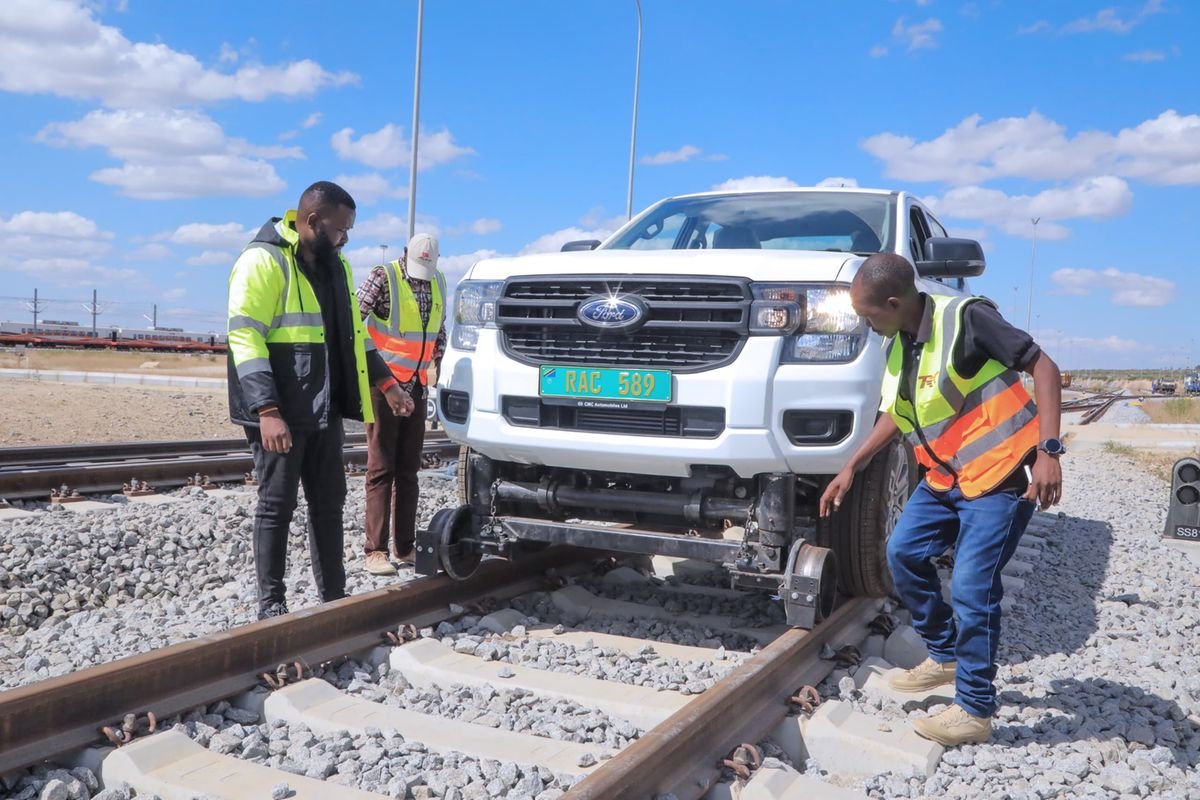
Tanzania Railways Corporation has introduced advanced Ford Ranger Hi-Rail vehicles equipped with laser technology to strengthen inspection systems and improve safety monitoring along the country’s rapidly expanding Standard Gauge Railway (SGR) network.
The specially modified vehicles are designed to operate both on ordinary roads and directly on railway tracks through an integrated rail wheel system, allowing railway inspectors to access remote sections of the network more efficiently and respond quickly to emergencies or technical faults.
According to TRC officials, the new laser-equipped inspection vehicles represent a major technological step in modernizing railway safety oversight in Tanzania as the country continues investing heavily in railway infrastructure aimed at transforming regional transport and trade.
The corporation explained that the vehicles use advanced laser-based monitoring systems capable of detecting track defects, measuring rail alignment, and identifying structural weaknesses with greater precision than traditional inspection methods. The technology is expected to significantly improve preventive maintenance by identifying potential problems before they develop into serious safety risks or service disruptions.
TRC said one of the key advantages of the system is its ability to conduct real-time monitoring while the vehicles are moving along the tracks. This allows inspectors to collect data faster and more accurately without interrupting railway operations, reducing delays and improving operational efficiency across the SGR network.
Railway experts say the introduction of such technology aligns Tanzania with international railway safety standards increasingly adopted by modern rail systems around the world. Automated laser inspection systems have become essential tools in railway engineering because they help minimize human error and improve the reliability of maintenance decisions.
TRC track inspector Manyama Mazula described the vehicles as a significant breakthrough for railway safety management in the country.
“These are not just transport vehicles; they are our eyes on the railway,” Mazula said while explaining how the technology will strengthen inspection capabilities across long stretches of track.
The new vehicles are expected to play a particularly important role in monitoring isolated sections of the SGR where access has traditionally been difficult using conventional inspection methods. Officials believe the dual road-and-rail capability of the Ford Ranger Hi-Rail units will allow maintenance teams to respond faster during emergencies, especially in remote locations.
Also Read; Tanzania Mourns Death of Magufuli’s Mother Suzana Magufuli
Passengers and freight operators have also welcomed the initiative, expressing confidence that the improved inspection systems will enhance the safety and reliability of rail transport services. Many travelers say the investment demonstrates TRC’s commitment to ensuring that both passenger and cargo operations meet modern international standards.
The Standard Gauge Railway project remains one of Tanzania’s largest infrastructure developments in recent decades and is considered central to the country’s economic transformation plans. The railway is expected to improve trade connectivity within Tanzania and neighboring countries by reducing transport costs and increasing cargo efficiency between ports and inland regions.
Transport analysts note that as railway networks expand, maintaining safety standards becomes increasingly critical. They say the adoption of laser inspection technology could help reduce long-term maintenance costs while preventing accidents caused by undetected track deterioration.
The introduction of the Hi-Rail vehicles forms part of broader modernization efforts being undertaken by the Tanzania Railways Corporation to improve operational performance, safety management, and service reliability across the SGR system.