MWE Correspondent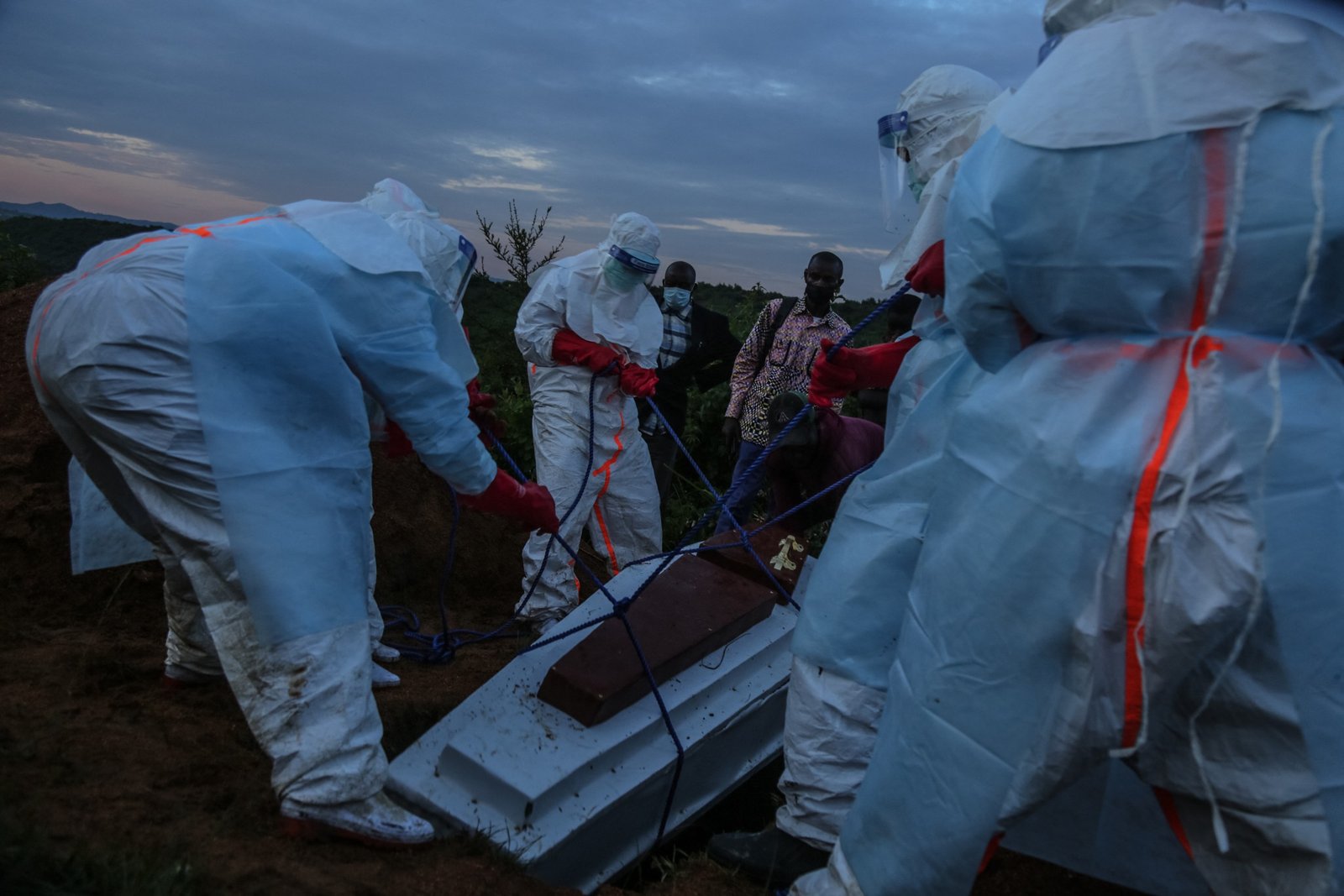
A rapidly escalating Ebola virus disease outbreak in the Democratic Republic of the Congo has triggered growing regional fears after authorities reported around 200 deaths and more than 850 suspected and confirmed cases linked to the deadly virus.
The worsening outbreak is now raising alarm across East and Central Africa, particularly in neighbouring Uganda, where health officials have confirmed an increase in infections despite intensified border surveillance and emergency containment measures.
Uganda, which had initially reported only one Ebola-related death, has now announced five confirmed cases, prompting authorities to strengthen screening operations at border crossings and airports amid fears of cross-border transmission.
The World Health Organization warned that the virus may be spreading faster than previously estimated, increasing pressure on regional governments already struggling with fragile healthcare systems and population movement across porous borders.
Ugandan health authorities say emergency teams have been deployed to major entry points connecting the country with eastern DR Congo, where the outbreak is concentrated. Medical workers are conducting temperature screenings, monitoring travellers, and distributing public health information about Ebola symptoms and prevention measures.
The heightened response reflects Uganda’s painful history with repeated Ebola outbreaks over the years, giving officials experience in emergency containment but also deep concern about how quickly the disease can spread if early interventions fail.
Also Read; Global Justice Systems Face Intensifying Credibility Crisis
Ebola is transmitted through direct contact with bodily fluids from infected individuals or contaminated surfaces, and severe outbreaks often overwhelm already strained medical systems in vulnerable regions.
Health experts say the current outbreak is particularly concerning because parts of eastern Congo remain affected by armed conflict, population displacement, and weak healthcare infrastructure — conditions that complicate contact tracing, safe burials, and rapid treatment efforts.
For communities living near the border, fear is growing as governments race to prevent another regional health crisis. In some towns, travellers are facing increased checks and restrictions, while hospitals have begun preparing isolation units in anticipation of possible additional cases.
International aid agencies are also scaling up emergency support, warning that delays in containment could significantly increase the risk of wider transmission across the region.
The latest figures mark one of the most serious Ebola emergencies in recent years and come as global health authorities remain highly sensitive to infectious disease outbreaks following lessons learned from previous epidemics.
Residents in affected areas are being urged to report symptoms immediately, avoid direct contact with suspected cases, and cooperate with health officials conducting tracing operations.