MWE Correspondent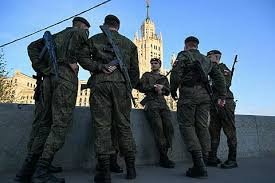
Russia has issued a formal warning advising foreign diplomatic missions and international organizations to consider withdrawing non-essential personnel from Ukraine’s capital, Kyiv, amid rising fears of a potential escalation tied to upcoming World War II commemorations.
The advisory comes as tensions intensify between Moscow and Kyiv over the anticipated Victory Day period, a historically significant date marking the defeat of Nazi Germany in 1945. Russian officials have suggested that the risk of large-scale retaliatory strikes could increase if Ukrainian forces attempt any form of attack on Russian territory during the commemorative events.
According to Russia’s Foreign Ministry spokesperson Maria Zakharova, official communications have already been delivered to embassies and international agencies operating in Kyiv. The message reportedly emphasizes that the warning should be taken with “maximum seriousness” due to what Moscow describes as credible security threats.
At the center of the concern is the city of Moscow, where annual military parades and national ceremonies are scheduled for Victory Day. Russian authorities claim intelligence assessments indicate the possibility of Ukrainian operations targeting Russian territory during this sensitive period. In response, Moscow has declared a temporary ceasefire from May 8 to May 9, aligning with the commemorative events.
The Kremlin has stated that any attacks during this window would trigger what it describes as immediate and proportionate retaliation. This stance has further heightened anxiety among international observers already monitoring the fragile and unpredictable security situation in the region.
On the Ukrainian side, President Volodymyr Zelenskyy has dismissed Russia’s proposals as politically motivated and lacking genuine commitment to peace. Kyiv has also questioned the timing and intent behind Moscow’s ceasefire announcement, suggesting it may be aimed more at political messaging than de-escalation.
Also Read; Ruto Praises Tanzania NSSF Nairobi Investment
Ukraine had earlier announced its own brief ceasefire initiative from May 5 to May 6, though both nations have since accused each other of violating previous temporary truces. Despite these announcements, reports from multiple front-line regions indicate continued exchanges of fire and sustained military activity.
The situation remains deeply unstable, with diplomatic tensions running parallel to ongoing combat operations. Analysts warn that symbolic dates such as Victory Day often amplify geopolitical sensitivities, particularly given their importance in Russian historical memory.
International diplomatic missions in Kyiv are now reportedly reassessing security protocols and contingency plans, although no coordinated evacuation has been publicly confirmed at this stage. Humanitarian agencies continue to monitor developments closely as concerns grow over the safety of civilian populations in affected areas.
The broader conflict between Russia and Ukraine continues to evolve into a prolonged and complex war marked by shifting battlefield dynamics and entrenched political positions. With both sides maintaining firm rhetoric and mutual accusations of aggression, prospects for immediate de-escalation remain uncertain.