Joseph Isangura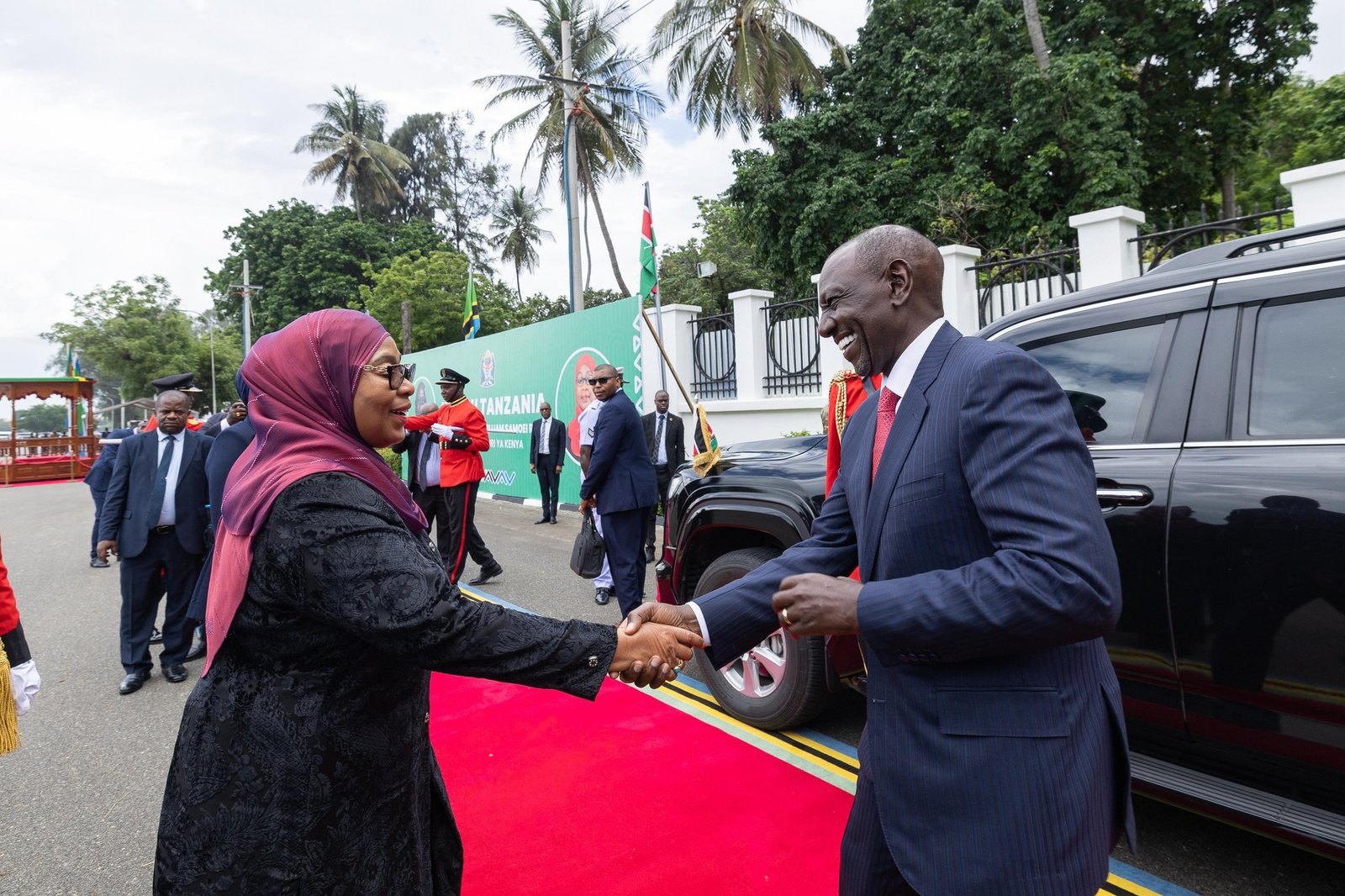
President of Tanzania, Samia Suluhu Hassan, has said she held high-level discussions with Kenya President William Ruto on how to address rising youth-led protests across the region, amid growing concerns over political stability and public order in East Africa.
Speaking on May 4, 2026, during the Tanzania–Kenya Business Forum at the Julius Nyerere International Convention Centre, President Hassan said the talks focused on managing what she described as emerging patterns of unrest involving sections of young people, often referred to as “Gen Z” groups in public discourse.
She said the discussions emphasized the need for coordinated regional approaches to maintaining stability while responding to the growing wave of youth activism seen in several countries. According to President Hassan, the leaders exchanged views on how governments can preserve order and protect national institutions while avoiding escalation of tensions.
The Tanzanian leader stressed that while democratic systems allow citizens to express grievances, such freedoms must be exercised responsibly and in ways that do not undermine governance structures or cultural foundations. She underscored that strong leadership remains essential in ensuring that public order is maintained during periods of heightened social pressure.
The remarks come at a time when several African countries have experienced youth-driven demonstrations fueled by economic frustrations, unemployment concerns, and demands for greater accountability. The phenomenon has increasingly shaped political discourse across the continent, with governments seeking strategies to manage digital mobilization and street protests.
Also Read; East Africa Pushes Unified Telecom Integration Plan
President Ruto’s two-day official visit to Tanzania provided the backdrop for broader bilateral talks between the two leaders, which also covered trade expansion, investment cooperation, and regional integration within East Africa. The engagement is seen as part of ongoing efforts to deepen diplomatic and economic ties between Nairobi and Dar es Salaam.
Analysts say the inclusion of youth unrest in high-level state discussions reflects growing concern among regional governments over the speed and scale at which youth movements are influencing political dynamics. The use of social media platforms to organize and amplify protests has added a new layer of complexity to governance across the region.
While no formal joint policy was announced, the discussions signal increasing coordination between Tanzania and Kenya on shared security and governance challenges. Observers note that both countries play a central role in East Africa’s economic stability, making their alignment on internal security matters regionally significant.
As youth movements continue to reshape political engagement across Africa, the dialogue between the two leaders highlights an emerging priority for governments: balancing democratic expression with national stability in an increasingly interconnected and digitally driven political environment.