 editor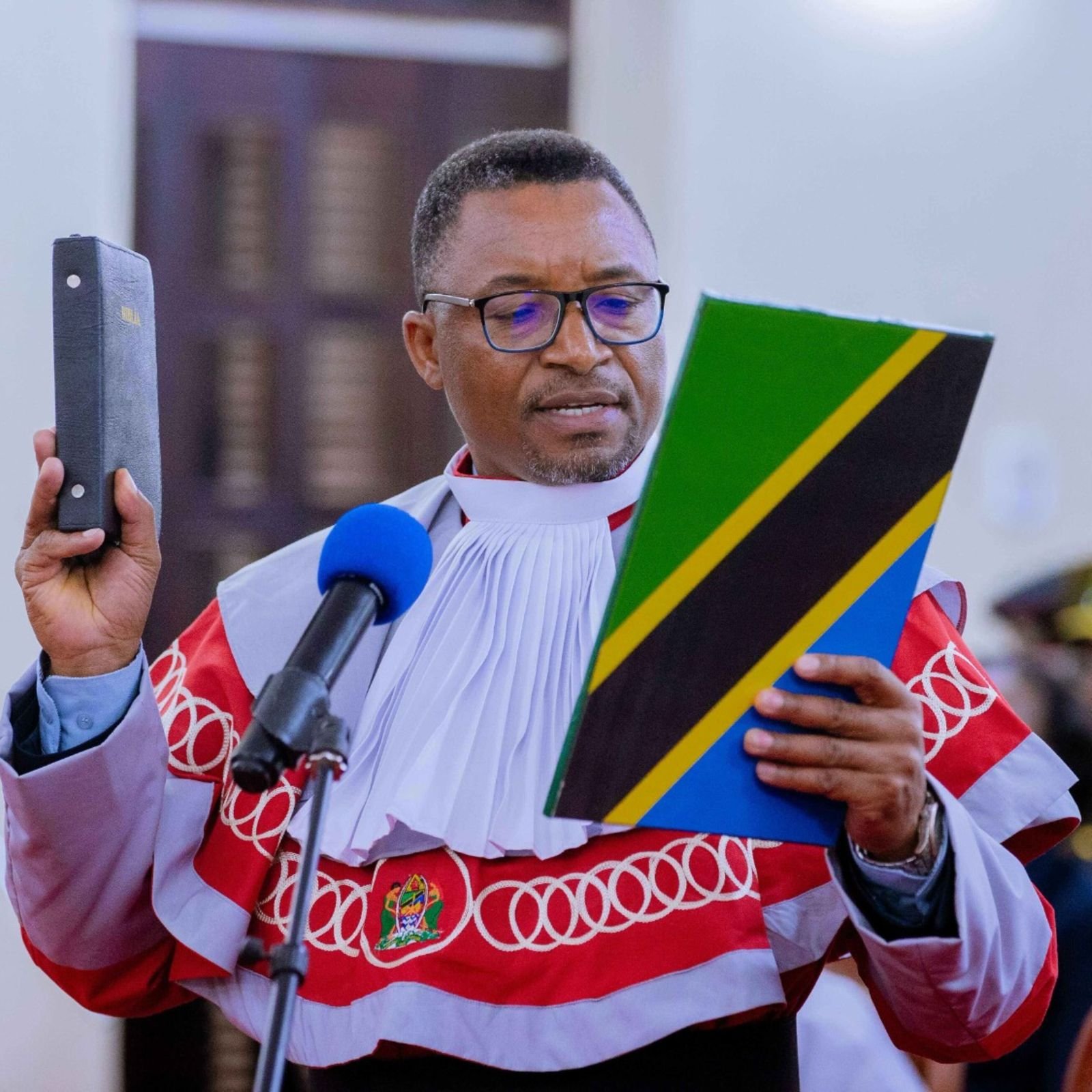
The nomination of a Tanzanian judge to serve on the bench of the International Criminal Court has triggered debate among legal observers and human rights advocates in Europe, reflecting broader tensions over the court’s relationship with African states and concerns over political developments in Tanzania.
The discussion has gained traction in some German legal and policy circles, where support for the ICC remains strong and where the court is widely viewed as a central institution for enforcing international accountability. Germany is among the ICC’s largest financial and diplomatic backers and has consistently defended the court against criticism from major powers including Russia and the United States.
Critics of the Tanzanian nomination point to recent allegations surrounding Tanzania’s political environment ahead of and after the country’s 2025 elections, including accusations from opposition figures and rights groups of restrictions on political activity, arrests and pressure on dissenting voices.
While no formal objection has been issued by the German government, some analysts argue that the nomination arrives at a politically sensitive time for Tanzania’s international image.
“The concern among some observers is less about nationality and more about institutional credibility,” said a Europe-based international law researcher familiar with ICC election discussions. “The ICC depends heavily on perceptions of judicial independence and impartiality.”
The debate also reflects long-standing friction between parts of Africa and the Hague-based court. Several African governments and political leaders have, over the years, accused the ICC of disproportionately focusing on African cases while failing to pursue leaders from powerful Western or allied states with equal intensity.
That criticism intensified following investigations related to Sudan, Kenya and Libya, with some African Union officials previously calling for collective withdrawal from the Rome Statute, the treaty establishing the ICC.
Tanzania itself is not a state party to the Rome Statute, but its involvement in ICC-related diplomacy has increasingly attracted attention as the court faces pressure from multiple geopolitical fronts, including disputes over investigations linked to Ukraine, Gaza and African conflicts.
Also Read: ICC Scrutiny Revives Africa’s Legal Sovereignty Debate
Supporters of the Tanzanian nomination argue that African representation within international legal institutions remains essential for the court’s legitimacy.
Some legal experts say resistance from sections of Europe risks reinforcing accusations that international justice structures remain dominated by Western political influence.
“African participation at senior levels of the ICC should not automatically be viewed with suspicion,” said an East African legal analyst. “The court has long faced criticism over imbalance, and broader representation is necessary if it wants to maintain global credibility.”
The ICC elects judges through voting by member states, with candidates typically assessed on legal expertise, regional representation and experience in criminal or international law.
Judicial elections at the court have historically involved quiet diplomatic lobbying among regional blocs, with candidates often becoming focal points for wider political debates extending beyond their legal qualifications.
The current discussion surrounding the Tanzanian nomination highlights how ICC appointments increasingly intersect with international politics, perceptions of democratic governance and ongoing disputes over the future direction of global justice institutions.
For many African observers, the controversy also underscores unresolved questions over whether international legal systems operate with equal standards across regions and political alliances.