MWE Correspondent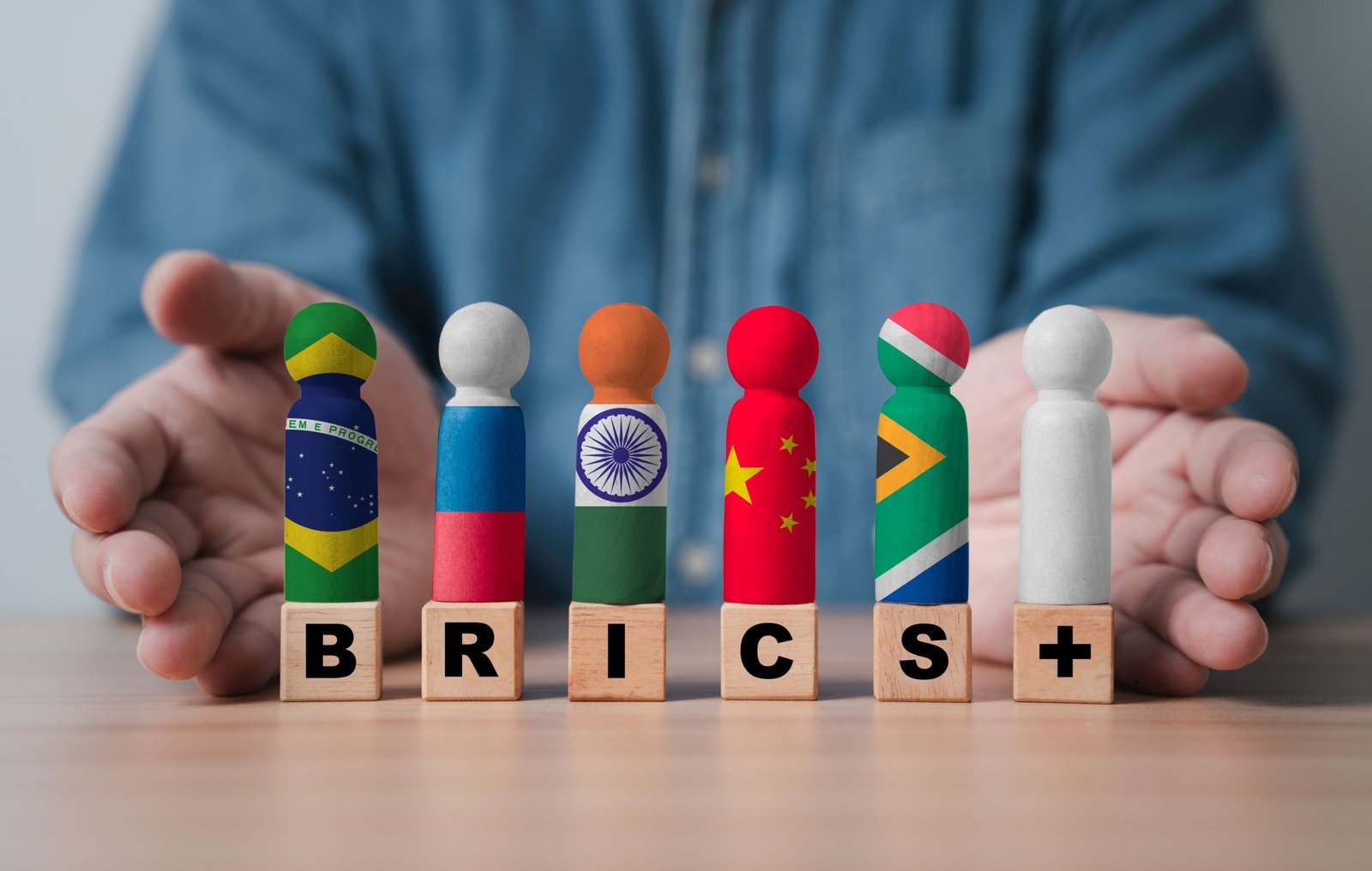
Cooperation within the BRICS grouping is entering a more structured phase, as member countries intensify efforts to align trade, financial systems, and development priorities.
What began as a forum for dialogue is increasingly evolving into a platform for coordinated economic action.
This is not rapid transformation.
It is gradual consolidation.
Across the bloc, there is growing emphasis on strengthening intra-group trade and reducing transactional frictions. Initiatives aimed at improving payment systems and facilitating cross-border investment are gaining traction, reflecting a longer-term strategy focused on resilience.
A central element of this evolution is the increasing use of local currencies in trade settlements.
Such measures are designed to reduce exposure to external volatility and provide greater autonomy in managing financial flows. While still developing, this trend is becoming more visible across bilateral and multilateral arrangements.
This shift is closely associated with de-dollarization.
Rather than displacing existing systems, the approach seeks to diversify financial mechanisms. Expanding currency options can enhance flexibility and reduce concentration risk within the global financial architecture.
Institutional cooperation is also being reinforced.
Member states are working to improve coordination between financial institutions, support development financing, and enhance infrastructure connectivity. These efforts are aimed at building a more integrated economic framework.
This reflects the broader principle of multilateralism.
Multilateral structures allow countries to collaborate while maintaining policy independence, enabling coordinated responses to shared economic challenges.
Development remains a central priority.
Investment in infrastructure, industrial capacity, and technology transfer is being positioned as a foundation for sustained growth. These initiatives are intended to strengthen domestic economies while enhancing collective capacity.
This aligns with economic cooperation.
Effective cooperation requires policy alignment, resource sharing, and long-term commitment. When these elements converge, they can produce more stable and scalable economic outcomes.
At the same time, structural differences persist.
Variations in economic size, policy frameworks, and development stages require careful coordination. Maintaining consistency and trust remains essential to progress.
Nevertheless, the direction is increasingly defined.
The grouping is positioning itself as a complementary force within the broader system, expanding participation rather than replacing existing frameworks.
For global markets, the implications are incremental but meaningful.
Greater coordination among emerging economies introduces additional layers of flexibility into trade and financial systems.
The key takeaway is measured.
This is not a shift driven by speed.
It is one driven by structure.
And it is this structural alignment that will shape its long-term impact.