MWE Correspondent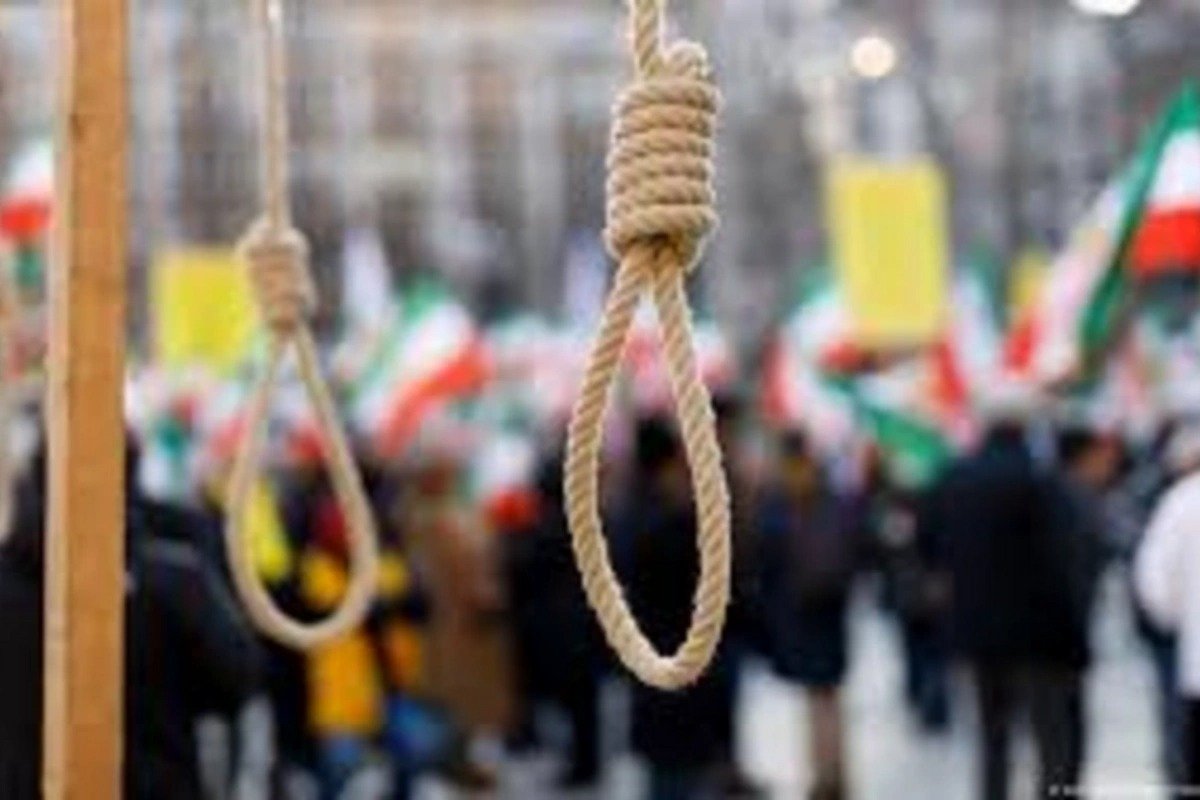
Iran has carried out the executions of two men accused of working with a foreign intelligence network, in a case that underscores escalating tensions and deepening mistrust across the Middle East.
Judicial authorities confirmed that Mohammad Masoum Shahi and Hamed Validi were put to death after being convicted on charges linked to espionage and alleged plans for sabotage.
According to official accounts, the two men were accused of receiving training outside the country before returning to Iran to carry out covert operations. Authorities claim they were arrested before any attack could be executed and that security forces recovered materials allegedly intended for use in explosive devices. The judiciary described the case as a significant disruption of a broader intelligence operation.
The accusations centered on alleged ties to Mossad, Israel’s intelligence agency, which Iran has repeatedly accused of orchestrating clandestine activities within its borders. Over the years, Tehran has pointed to a series of incidents—including cyberattacks, targeted killings of scientists, and infrastructure sabotage—as evidence of an ongoing shadow conflict. Israel rarely comments directly on such allegations, maintaining a policy of ambiguity regarding its intelligence operations.
This latest development goes beyond a single case. Analysts suggest it reflects a wider pattern in which intelligence warfare has increasingly replaced conventional confrontation. The rivalry between Iran and Israel has expanded into what experts describe as a “gray zone conflict,” involving cyber operations, proxy actors, and covert missions designed to weaken strategic capabilities without triggering full-scale war.
Human rights organizations have raised concerns about the judicial process in cases involving national security. Critics have repeatedly called for greater transparency, particularly regarding access to legal representation and the handling of evidence in espionage trials. Observers argue that such cases often unfold behind closed doors, making independent verification difficult.
Also Read; Markets Adjust As Economic Signals Begin Shifting Direction
At the same time, Iranian officials defend their actions as necessary to protect sovereignty. They argue that intelligence threats have become more sophisticated, requiring swift and decisive responses. In recent years, Iran has announced multiple arrests linked to alleged espionage networks, suggesting a sustained campaign to root out foreign influence.
The broader geopolitical context is critical. Tensions between Iran and Israel have intensified amid disputes over nuclear development, regional alliances, and military positioning. Intelligence agencies play a central role in this standoff, shaping events far beyond public view and influencing outcomes that rarely reach the public domain.
What makes this case particularly significant is its timing. It comes amid shifting alliances and heightened rhetoric across the region, raising concerns that covert confrontations could spill into more visible forms of conflict. While executions like these are framed domestically as victories against espionage, internationally they often intensify scrutiny and diplomatic pressure.
The story is no longer just about two individuals—it is about the invisible battles shaping the future of regional security, where information, secrecy, and strategy carry as much weight as traditional military power.