MWE Correspondent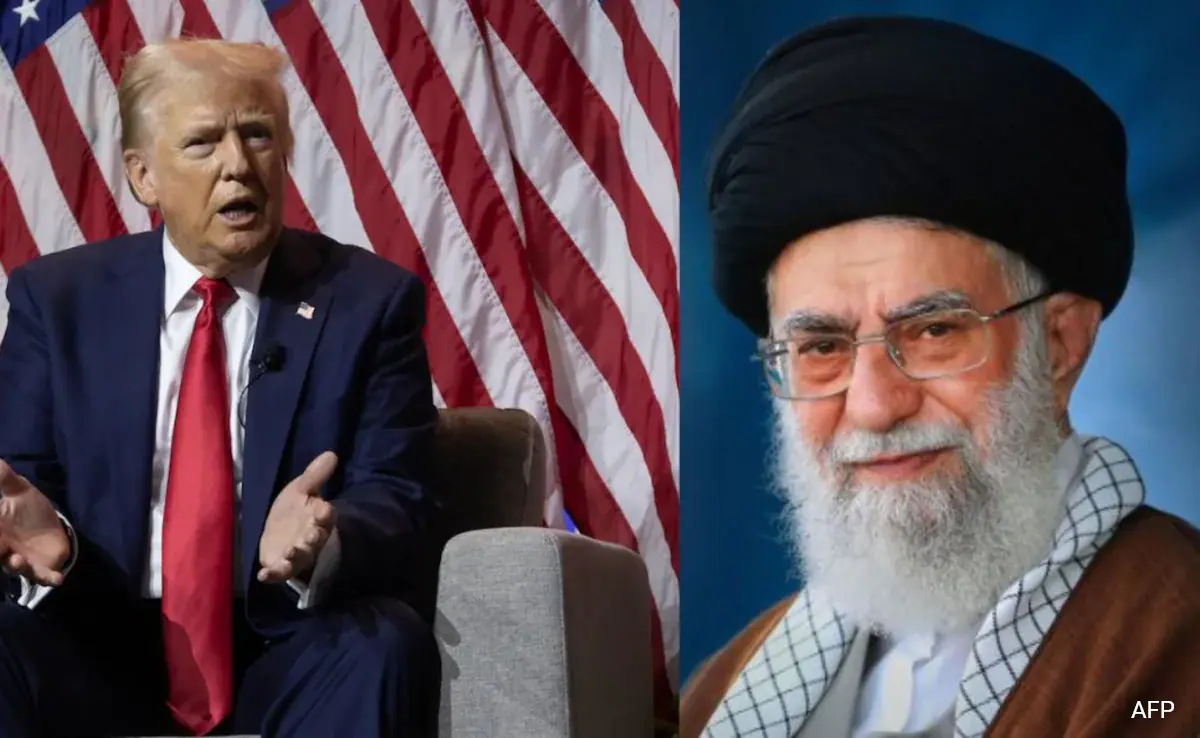
Iran has officially rejected a new round of peace talks with the United States, citing continued military pressure, maritime restrictions, and what it described as “excessive and shifting demands” from Washington, according to Iranian state media reports.
The decision marks a significant setback in efforts to revive diplomatic engagement between the two countries, as tensions in the Gulf region continue to escalate and global energy markets face renewed uncertainty.
Iranian officials stated that the current environment is not suitable for negotiations, arguing that ongoing US actions—including the seizure of an Iranian cargo vessel and continued restrictions on oil exports—have undermined trust and violated the spirit of previous ceasefire understandings.
The developments come at a time of heightened sensitivity in the region, particularly around the Strait of Hormuz, one of the world’s most critical oil transit routes. Any disruption in this corridor has historically had immediate effects on global energy prices and shipping security.
In a strongly worded statement, Iran’s First Vice President Mohammadreza Aref warned that global energy stability could be at risk if restrictions on Iranian oil exports continue. He argued that attempting to limit Iran’s exports while expecting stability in global markets is both unrealistic and economically damaging.
The diplomatic breakdown also follows intensified rhetoric from Washington. US President Donald Trump has recently increased pressure on Tehran, warning that the United States could target key Iranian infrastructure if conditions for a renewed agreement are not met. These statements have further deepened mistrust between the two sides.
Also Read; Gold Demand Rises As Stability Becomes Top Priority
Iranian officials, in response, have issued warnings of retaliation in the event of any military strike on its territory or infrastructure. Tehran has suggested that such actions could extend beyond its borders, potentially affecting critical facilities in neighbouring Gulf states, including energy and water infrastructure.
The situation reflects a broader pattern of escalating confrontation in the Gulf region, where maritime security, energy exports, and military deterrence remain tightly interconnected. Analysts warn that continued escalation could have wider implications for global oil markets, especially given the strategic importance of the Strait of Hormuz.
International observers have expressed concern that the breakdown in diplomatic engagement reduces the chances of de-escalation in the short term. Previous attempts at negotiations had been aimed at stabilising tensions and preventing further economic and military confrontation.
For now, both sides appear entrenched in their positions, with diplomacy stalled and rhetoric intensifying. The coming weeks are expected to be critical in determining whether the situation moves toward renewed negotiations or deeper regional instability.