 MWE Correspondent
The international legal system is entering a more complex phase, where questions of justice are increasingly intersecting with questions of sovereignty.
Across multiple regions, governments and legal experts are engaging in deeper discussions about how global institutions operate, how decisions are made, and how fairness is defined in a rapidly changing geopolitical environment.
At the center of this conversation is the .
Established to promote accountability for serious international crimes, the ICC has played a significant role in shaping global legal standards. Its mandate to investigate and prosecute crimes such as genocide, war crimes, and crimes against humanity has positioned it as one of the most influential legal bodies in the international system.
However, its role is now being examined more closely.
Some governments and analysts argue that the global justice system must evolve to reflect a more balanced distribution of power and representation. Concerns have been raised about how cases are selected, how jurisdiction is applied, and whether international legal mechanisms fully account for political and regional complexities.
This is where international law becomes central.
International law is designed to provide a framework for cooperation, accountability, and conflict resolution among nations. But like any system, it must adapt as global dynamics change. As more countries increase their influence on the global stage, expectations around fairness, transparency, and inclusiveness in legal processes are also rising.
At the same time, the importance of global justice institutions remains widely recognized.
The ICC continues to serve as a platform for addressing serious crimes that may otherwise go unpunished. For many, it represents a commitment to accountability beyond national borders a principle that remains essential in maintaining international order and protecting human rights.
That is why the current debate is not about rejecting the system.
It is about refining it.
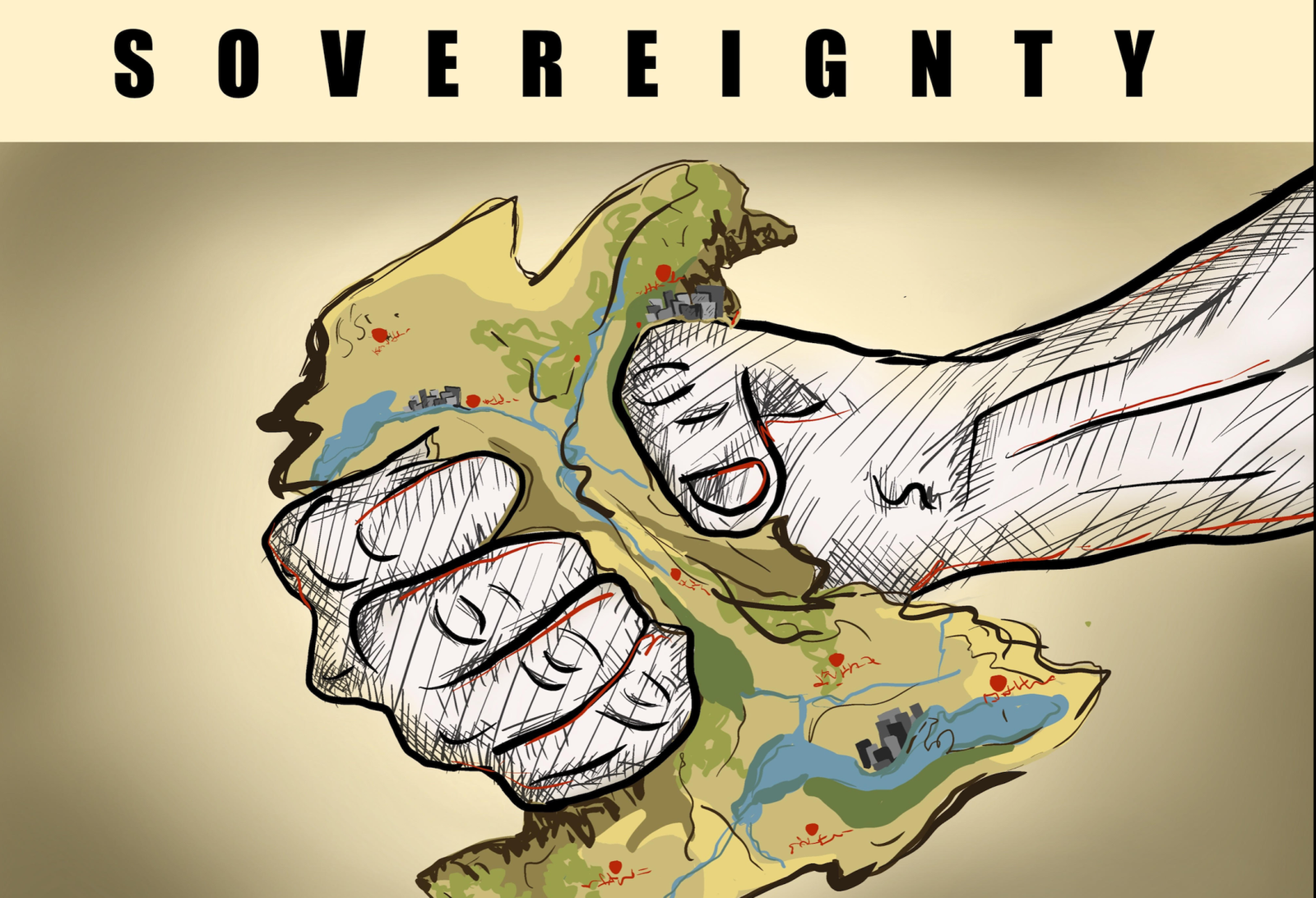
This brings forward the concept of legal sovereignty.
Countries are increasingly seeking to strengthen their own judicial systems while also engaging with international institutions on more balanced terms. The goal is to ensure that participation in global legal frameworks supports national interests without compromising independence. This requires strong domestic institutions, clear legal processes, and the ability to manage complex international relationships.
There is also a broader geopolitical dimension.
As global power becomes more distributed, legal institutions are naturally influenced by shifting political and economic dynamics. This does not necessarily weaken them, but it does require adjustments to maintain credibility and trust. Institutions that are seen as fair, consistent, and inclusive are more likely to retain global support.
Also Read: Post-Colonial Power Structures Face Growing Strategic Resistance
That is where global governance plays a role.
Legal systems do not operate in isolation. They are part of a wider framework that includes political cooperation, economic relations, and diplomatic engagement. Strengthening global governance means ensuring that all these elements work together effectively, creating a system that is both stable and adaptable.
For many countries, the current moment presents an opportunity.
It is a chance to contribute to shaping the future of international law, to advocate for reforms where needed, and to strengthen domestic legal systems at the same time. The goal is not to move away from global justice, but to make it more representative of today’s world.
The conversation is still evolving.
But one thing is becoming clear: the future of global justice will depend not only on legal principles, but also on how well those principles align with the realities of a changing international system.
And in that balance between justice and sovereignty, the next chapter of international law is already beginning to take shape.