MWE Correspondent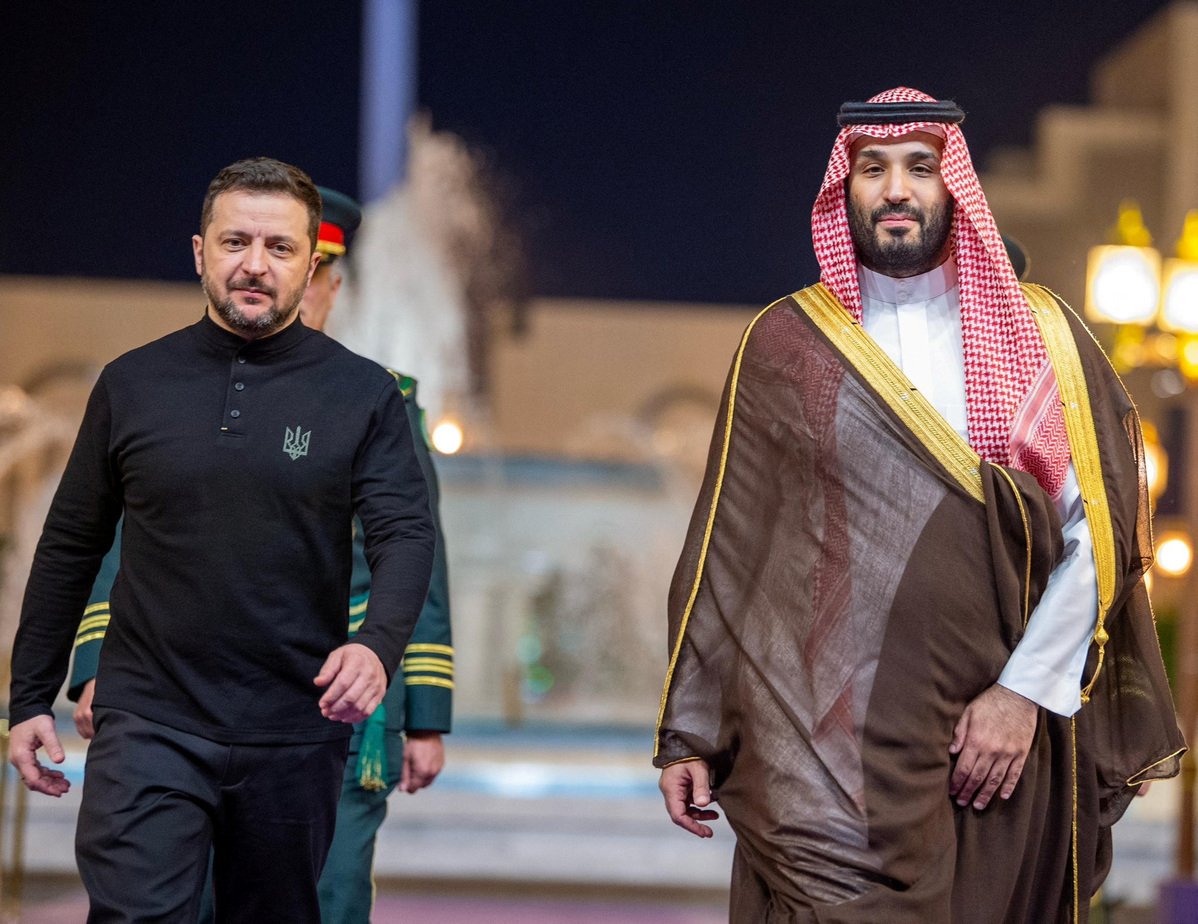
A high-level meeting between Mohammed bin Salman and Volodymyr Zelenskyy in Saudi Arabia has drawn significant global attention, underscoring the Kingdom’s growing role as a diplomatic powerbroker amid intensifying geopolitical tensions.
The talks, held in Jeddah, come at a critical moment in global affairs, as the war in Ukraine continues to reshape international alliances, energy markets and security frameworks. While official statements from Saudi authorities remained limited, emerging details indicate that the discussions went far beyond ceremonial diplomacy, touching on defense cooperation, energy security and regional stability.
According to multiple international reports, the meeting coincided with the signing of a defense cooperation agreement between Ukraine and Saudi Arabia. The agreement is expected to lay the groundwork for future military contracts, technological collaboration and investment flows between the two countries.
Ukrainian President Zelenskyy, who is actively seeking broader international support amid the ongoing conflict with Russia, has increasingly turned toward the Middle East as part of a wider diplomatic strategy. His visit to Saudi Arabia is part of a broader regional tour aimed at strengthening ties with Gulf nations and securing critical economic and military backing.
One of the central issues discussed during the visit is energy security—particularly Ukraine’s urgent need for diesel fuel. Zelenskyy revealed that nearly 90 percent of Ukraine’s projected fuel shortage relates to diesel, making it a top national priority.
This has prompted negotiations with Middle Eastern countries, including Saudi Arabia, to stabilize supply and mitigate the impact of the ongoing war on Ukraine’s economy and military logistics.
Beyond energy, the talks also explored security cooperation in response to emerging threats in the Middle East. Ukraine has positioned itself as a provider of specialized military expertise, particularly in countering drone warfare—a tactic increasingly used in regional conflicts.
Reports indicate that Ukraine has already deployed over 200 technical experts to assist Middle Eastern countries in defending against aerial threats targeting critical infrastructure.
This exchange of expertise reflects a strategic shift, with Ukraine not only seeking aid but also offering valuable battlefield experience gained during years of conflict.
Saudi Arabia, for its part, continues to position itself as a neutral yet influential mediator in global conflicts. Historically, the Kingdom has played a role in facilitating negotiations between rival powers, including prisoner exchanges and diplomatic engagements related to the Ukraine war.
Analysts argue that Riyadh’s approach reflects a broader ambition to expand its geopolitical influence beyond traditional energy diplomacy. By engaging both Western-aligned Ukraine and maintaining relationships with other global actors, Saudi Arabia is navigating a complex diplomatic landscape aimed at enhancing its global standing.
The meeting also comes against the backdrop of rising tensions in the Middle East, including ongoing conflicts and security concerns linked to drone attacks and regional instability. These dynamics have increased the strategic importance of partnerships that combine military expertise, intelligence sharing and economic cooperation.
For Ukraine, the stakes are clear. As Western support faces shifting political dynamics, expanding partnerships with Gulf states offers an alternative pathway to sustain its war effort and economic resilience.
Also Read: Digital Trade Rules Raise Concerns in Africa
For Saudi Arabia, the engagement reinforces its image as a central hub for international diplomacy—a country capable of convening global leaders and influencing the direction of major geopolitical discussions.
While no detailed communiqué has been released outlining the full scope of agreements reached in Jeddah, the significance of the meeting is unmistakable. It signals a deepening relationship between Kyiv and Riyadh and highlights the evolving role of middle powers in shaping global security outcomes.
In a rapidly changing world order, such engagements point to a broader reality: diplomacy is no longer confined to traditional alliances. Instead, it is increasingly defined by strategic partnerships that cut across regions, interests and historical alignments.
As the Ukraine conflict continues, the question is not only how the war will end—but who will shape the path toward that outcome.