Joseph Isangura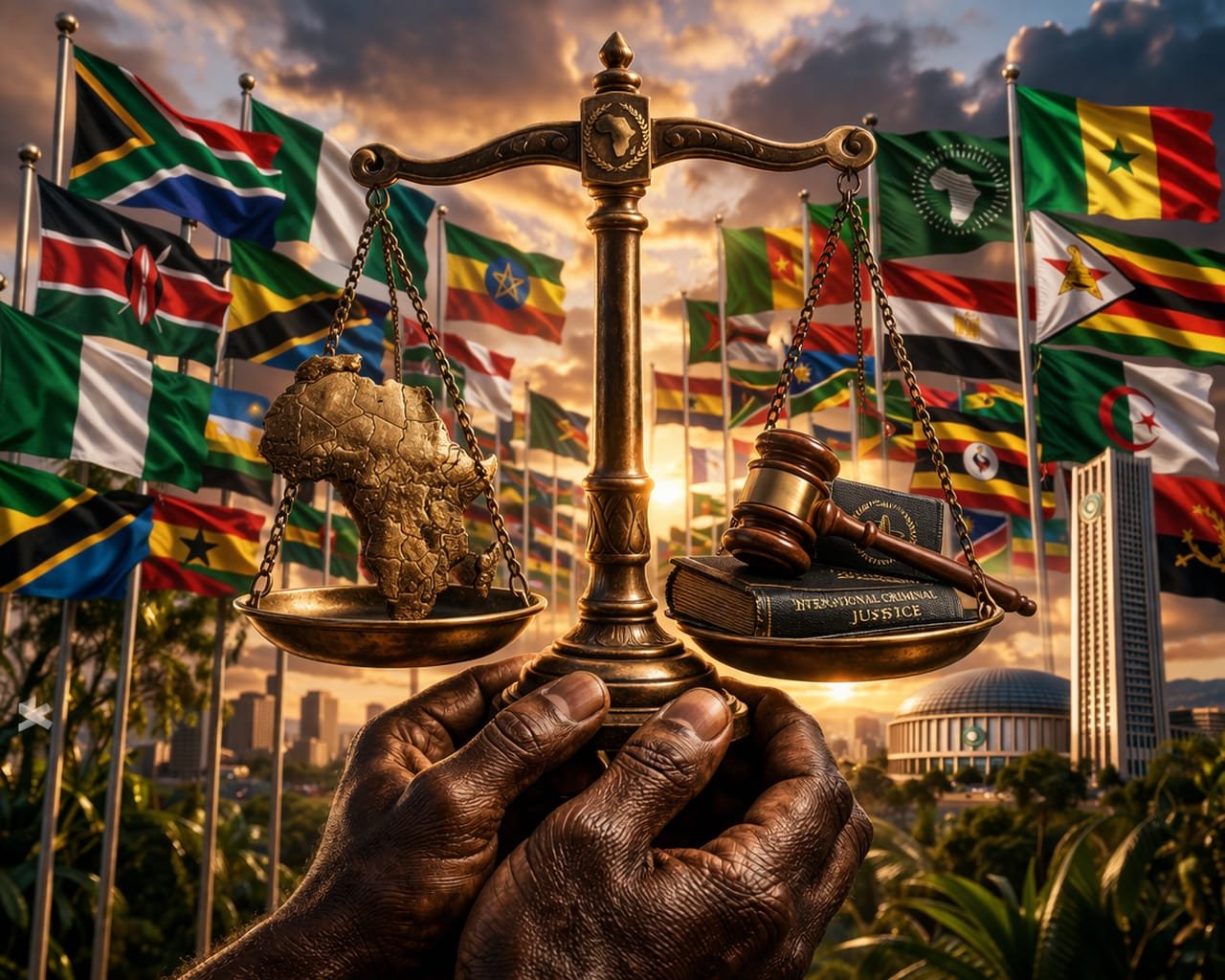
In the heart of Dar es Salaam, a critical conversation is set to unfold—one that goes far beyond cinema and touches the very foundations of international law, sovereignty, and justice.
The upcoming screening of a bold documentary on the International Criminal Court has reignited debate across Tanzania and the wider African continent, raising pressing questions about whether global justice is truly universal—or selectively applied.
Scheduled for March 28 at Crowne Plaza Dar es Salaam, the film titled “International Criminal Court: Global Justice Without Universality?” arrives at a time of heightened political awareness. Produced by Guinean filmmaker Bakari Kante, the documentary first drew attention at a high-level African summit in Addis Ababa. Its arrival in Tanzania now places it at the center of a national and continental dialogue.
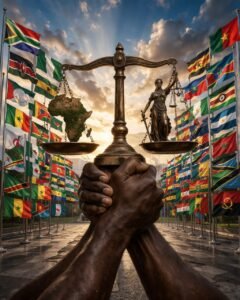
At the heart of the film lies a provocative question: does the ICC deliver equal justice to all nations, or has it disproportionately focused on Africa?
Since its creation in 2002 under the Rome Statute, the ICC was envisioned as a neutral global court tasked with prosecuting the gravest crimes—genocide, war crimes, and crimes against humanity. Yet over the years, a significant number of investigations and prosecutions have involved African countries. This trend has fueled criticism from African leaders and scholars, some of whom argue that the court reflects global power imbalances rather than pure justice.
In the documentary, Kante explores these concerns with striking clarity. Through interviews, archival footage, and expert commentary, he questions why powerful nations appear largely insulated from ICC scrutiny. Countries such as the United States, China, and India remain largely outside its jurisdiction—a reality that has long troubled critics.
“Justice cannot be selective,” one legal expert asserts in the film. “If some nations are beyond accountability, the system itself becomes questionable.”
This argument resonates strongly in Africa, where debates about sovereignty and external influence have intensified in recent years. For many, the ICC represents both hope and controversy—a symbol of accountability, but also a reminder of global inequalities.
The timing of the screening in Tanzania adds another layer of significance. Following political tensions and reported unrest after the October 2025 elections, discussions emerged about whether international mechanisms like the ICC could—or should—intervene in internal disputes. The government has since established a national commission to investigate the events, signaling a preference for domestic solutions.
This raises a broader question explored in the film: should African nations rely on international courts, or strengthen their own judicial systems to handle such matters independently?
“True justice must come from within,” another voice in the documentary suggests. “External systems can support, but they should not replace national responsibility.”
The debate is not confined to Africa. On the global stage, tensions continue to highlight the complexities of international justice. Recently, António Guterres warned that escalating violence in the Middle East could lead to catastrophic consequences. Referring to clashes involving Israel and regional actors, he cautioned against allowing conflicts to spiral into humanitarian disasters.
“We cannot allow history to repeat itself through unchecked violence,” Guterres said, emphasizing the urgent need for diplomacy.
Such global conflicts further complicate perceptions of justice. Critics point out that while some regions face intense legal scrutiny, others endure prolonged conflicts with limited international intervention. This inconsistency underlines the central argument of Kante’s documentary: global justice, while aspirational, is not always evenly applied.
Historically, Africa’s relationship with international justice systems has been shaped by both cooperation and skepticism. Several nations were among the early supporters of the ICC, seeing it as a tool to address impunity. Over time, frustrations grew, with some countries even threatening withdrawal.
Despite these tensions, many legal scholars insist the ICC still plays a crucial role. It has prosecuted individuals responsible for serious crimes and provided a platform for victims seeking justice. The challenge, they argue, lies in reforming the system to ensure fairness and inclusivity.
“Reform, not rejection, should be the goal,” one analyst notes. “The idea of international justice is too important to abandon.”
As the lights dim and the documentary begins at Crowne Plaza Dar es Salaam, audiences will not just be watching a film—they will be engaging with one of the most pressing debates of our time. The questions raised go beyond courtrooms, touching on identity, power, and the future of global governance.
For Tanzania, this moment is an opportunity: to reflect, to question, and to help shape a more balanced system of justice. For Africa, it is part of a broader journey toward asserting its voice in global affairs.
And for the world, the message is clear: justice must not only be done, but must be seen to be done—fairly and equally for all.