MWE Correspondent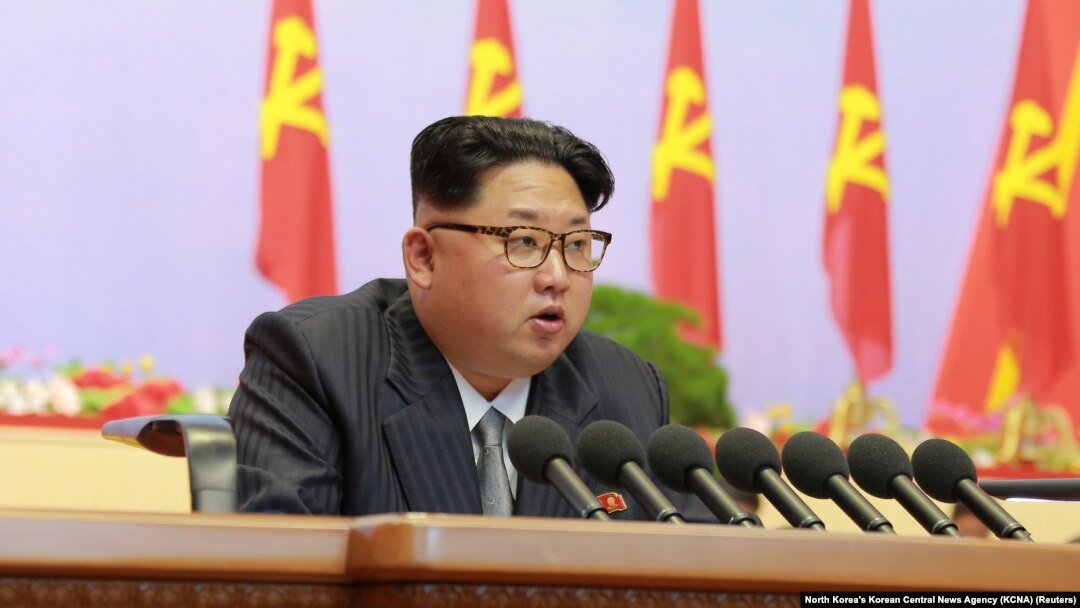
Tensions on the Korean Peninsula have sharpened once again after Kim Jong Un publicly described the United States as a “terrorist state,” marking a fresh escalation in rhetoric from North Korea.
The remarks, delivered through state media, underscore the deepening divide between Pyongyang and Washington at a time when diplomatic engagement remains largely stalled. North Korean officials have long accused the United States of pursuing what they call hostile policies, including military drills in the region and sustained pressure through economic sanctions.
Although such statements are not new in tone, analysts say the timing reflects heightened sensitivity around regional security dynamics. Pyongyang has consistently framed joint military exercises between the United States and its allies as direct threats, often responding with strong language or weapons demonstrations.
So far, there has been no immediate official response from Washington regarding the latest remarks. However, U.S. policymakers have repeatedly emphasized their commitment to regional stability and the denuclearization of the Korean Peninsula, while maintaining that sanctions remain a necessary tool to curb North Korea’s nuclear ambitions.
The ongoing standoff is closely tied to concerns over nuclear weapons development, which continues to be a central issue in relations between the two countries. North Korea has defended its weapons program as essential for national security, arguing that it serves as a deterrent against external threats.
Also Read; Trump Pauses Planned Strikes Following Iran Talks Progress
Observers note that the latest exchange of rhetoric highlights the fragile nature of international diplomacy in the region. While there have been periods of dialogue in recent years, including high-profile summits, meaningful progress has remained limited. Trust deficits, differing strategic goals, and domestic political considerations on both sides have all contributed to the stalemate.
Beyond the immediate political implications, the situation also has broader regional consequences. Neighboring countries, including South Korea and Japan, remain on high alert during periods of heightened tension, given the potential security risks associated with military escalation.
Experts suggest that while strong language from Pyongyang often serves domestic and strategic messaging purposes, it also signals frustration over the lack of diplomatic breakthroughs. At the same time, the absence of a direct response from the United States may indicate a cautious approach aimed at avoiding further escalation.
As global attention continues to focus on geopolitical flashpoints, the Korean Peninsula remains one of the most closely watched regions. The latest remarks from Kim Jong Un add to an already complex relationship defined by cycles of confrontation and cautious engagement.
With no immediate signs of renewed dialogue, the path forward remains uncertain. However, analysts agree that sustained diplomatic efforts will be essential to ease tensions and address the underlying issues that continue to shape relations between North Korea and the United States.