MWE Correspondent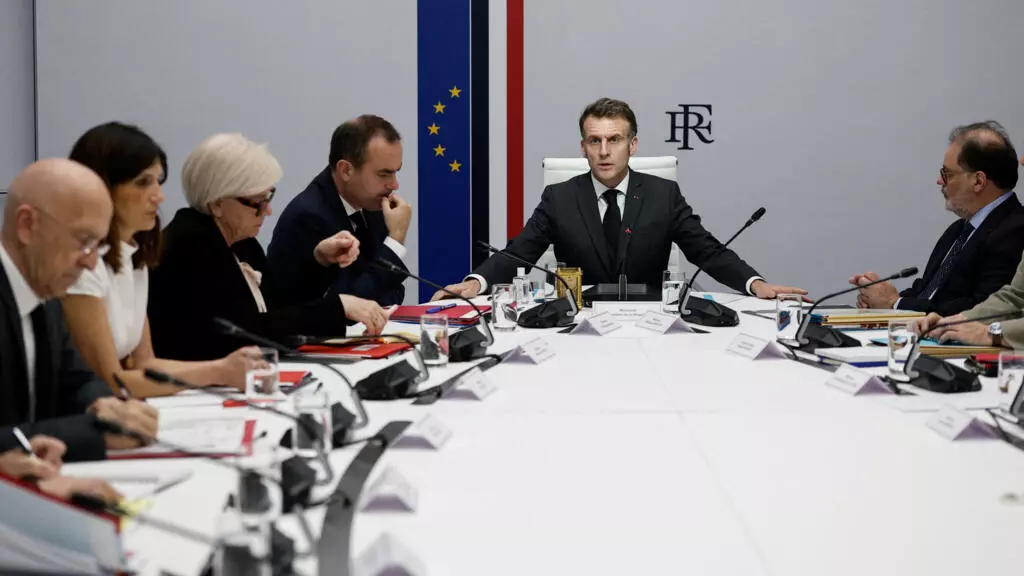
A senior envoy from the United States, John Coale, has held high-level talks with Alexander Lukashenko in Minsk, in a renewed diplomatic effort aimed at securing the release of political detainees and easing tensions between Washington and Belarus.
The meeting comes amid growing international concern over the reported detention of more than 1,100 individuals on political grounds in Belarus, according to human rights organizations. The talks are being conducted under the direction of Donald Trump, signaling a potential shift toward cautious engagement after years of strained relations.
Sources familiar with the discussions indicate that previous negotiations between the two sides have already led to the release of several high-profile detainees, including opposition figures and civil society activists. Observers view the latest meeting as part of a broader diplomatic push to build confidence and create space for further concessions.
At the same time, geopolitical tensions continue to unfold beyond Eastern Europe, particularly in the strategically vital Strait of Hormuz, where rising instability has raised alarms across global markets. The waterway, a crucial corridor for international oil shipments, has become a focal point of concern following recent disruptions linked to regional hostilities.
Speaking from the Élysée Palace, Emmanuel Macron firmly rejected calls for direct military involvement in efforts to reopen the strait. He stressed that France would not participate in any forceful operation under the current circumstances, emphasizing the need for restraint and diplomatic solutions.
Macron’s position places France alongside other European powers that have expressed reluctance to engage in direct confrontation, reflecting a broader preference for de-escalation. However, he signaled that France remains open to playing a constructive role in ensuring maritime security once tensions subside.
The French leader outlined a potential future scenario in which international partners could collaborate on a naval escort system designed to protect commercial shipping passing through the strait. Such an initiative, he noted, would be carefully coordinated and distinct from any ongoing military actions, prioritizing stability over escalation.
Meanwhile, developments in Belarus suggest a parallel diplomatic thaw may be underway. The United States has reportedly eased certain sanctions and is considering reopening its embassy in Minsk, a move that could mark a significant step toward normalizing relations.
Analysts say these overlapping developments underscore a complex global moment, where diplomacy and restraint are being tested across multiple regions. From Eastern Europe to the Middle East, world leaders appear to be balancing strategic interests with the urgent need to prevent further escalation.
The situation remains fluid, with outcomes dependent on continued dialogue and mutual concessions. For now, the emphasis from major powers appears to be on cautious engagement—seeking progress without triggering broader conflict in an already fragile international landscape.