MWE Correspondent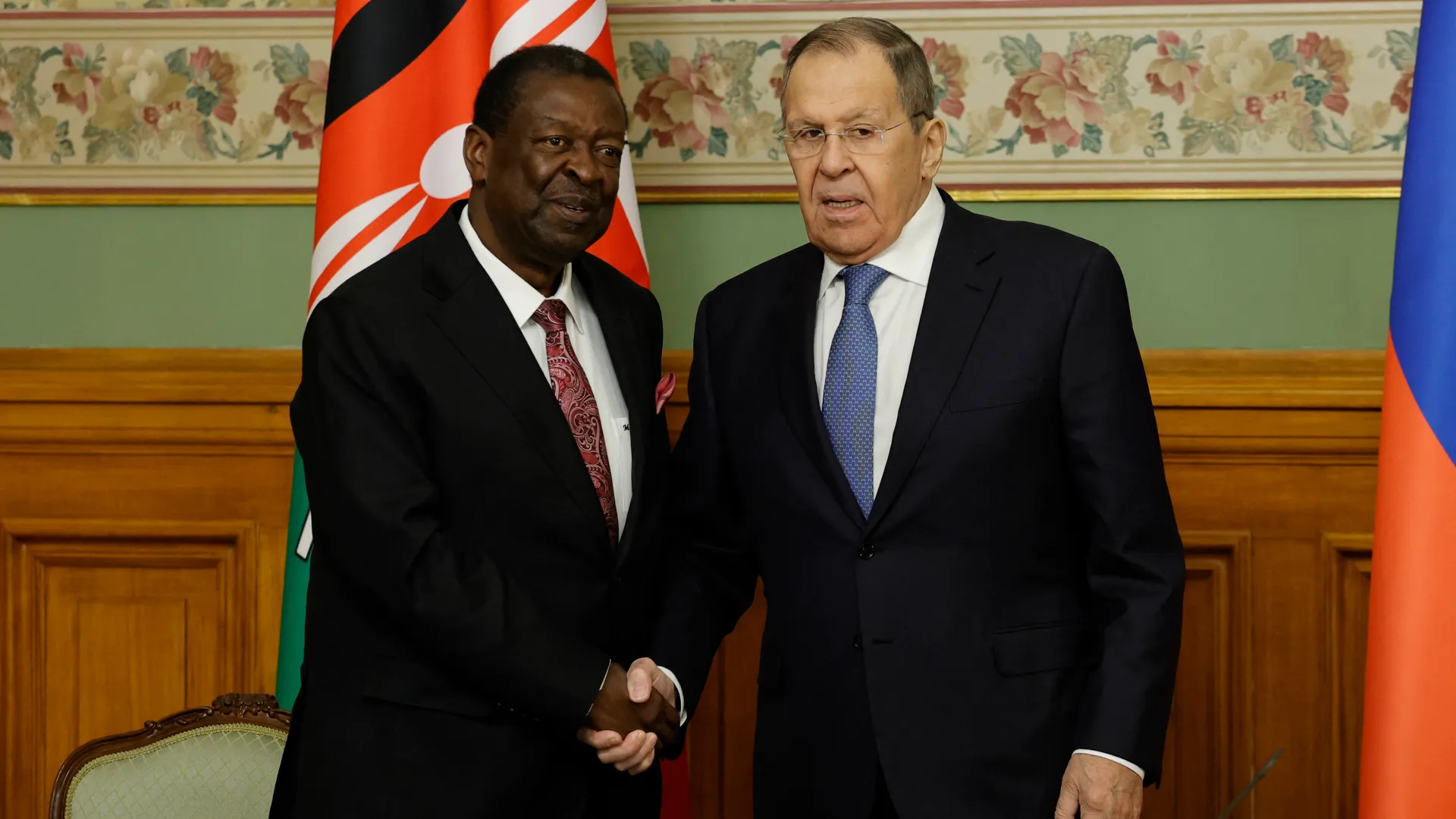
Kenya has stepped up diplomatic efforts with Russia over growing concerns that its citizens are being recruited to fight in the ongoing war in Ukraine, raising alarm in Nairobi about the safety and legality of such involvement.
Kenya’s Foreign Affairs Cabinet Secretary, Musalia Mudavadi, is currently in Moscow for high-level talks aimed at addressing the issue. His visit signals a shift from quiet concern to direct diplomatic engagement, as the Kenyan government seeks clarity and control over the situation.
According to officials, Mudavadi is expected to meet senior Russian leaders, including Foreign Minister Sergey Lavrov, in discussions scheduled over two days. At the center of the talks is a sensitive question: how and why Kenyan nationals are ending up in a foreign military conflict thousands of miles from home.
The issue has been building quietly for months. Reports have suggested that some Kenyans have traveled abroad and later appeared in military contexts linked to Russia’s war effort. While exact numbers remain unclear, the trend has raised serious concerns within the Kenyan government about potential exploitation, misinformation, or economic desperation driving recruitment.
Nairobi’s position is increasingly firm. Officials argue that no foreign power should engage Kenyan citizens in military service without formal state-to-state agreements or clear legal frameworks. Behind the diplomatic language is a deeper worry — that vulnerable young people could be drawn into a war they do not fully understand, with potentially fatal consequences.
Mudavadi’s visit is therefore not just symbolic. It reflects a broader attempt by Kenya to assert sovereignty over its citizens and prevent what it sees as an emerging pattern of irregular military recruitment. The government is also under pressure domestically to act decisively, as public concern grows over the fate of those who may already be involved.
On the Russian side, there has been limited public comment on the allegations. However, analysts note that Russia, like many countries engaged in prolonged conflict, has faced manpower challenges, which may indirectly create conditions where foreign recruitment becomes more likely — whether officially sanctioned or not.
Also Read; US Military Identifies Six Airmen Killed Iraq Cras
The situation also highlights a wider global issue. As conflicts become more prolonged and complex, individuals from countries not directly involved are increasingly finding their way into foreign battlefields. This raises difficult legal and ethical questions about responsibility, oversight, and the limits of national protection.
For Kenya, the priority is clear: bring transparency to the situation and stop any unauthorized involvement of its citizens in foreign wars. Whether Moscow will provide the assurances Nairobi is seeking remains uncertain.
What is clear, however, is that this is no longer a minor diplomatic concern. It is a test of how far governments can go to protect their citizens in an interconnected world where conflict, opportunity, and risk often cross borders faster than policy can keep up.
As talks continue in Moscow, the outcome may shape not only Kenya-Russia relations but also set a precedent for how countries respond when their citizens are drawn into wars beyond their control.